


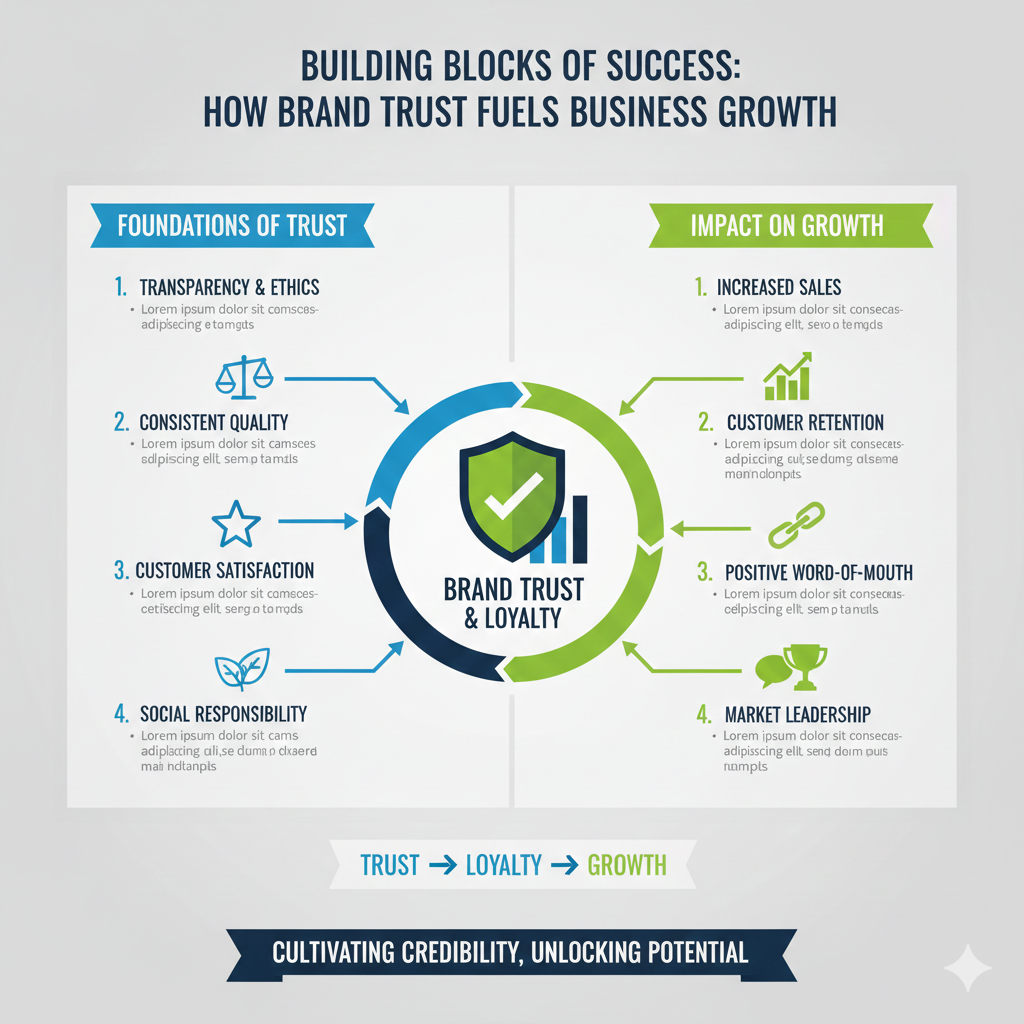
Introduction to Brand Trust and Its Importance
Brand trust is a pivotal concept in today’s marketing landscape, defined as the level of confidence consumers have in a brand’s reliability and integrity. In an era characterized by intense competition and an abundance of choices, establishing and maintaining brand trust has become increasingly vital for businesses. Brand trust is not merely a transactional relationship but rather a deep-seated emotional bond that enhances the consumer experience and fosters loyalty.
The importance of brand trust stems from its profound impact on consumer behavior. Research indicates that consumers are more likely to engage with, repurchase from, and advocate for brands they trust. In fact, trust can significantly influence purchasing decisions, as it mitigates perceived risks associated with the acquisition of goods or services. When consumers feel assured that a brand is honest and transparent, they are more inclined to develop a long-term relationship with it.
Furthermore, in a marketplace filled with various competing options, brand trust serves as a critical differentiator. Companies that successfully convey trustworthiness can create a loyal customer base that not only returns for repeat purchases but also spreads positive word-of-mouth. This sort of advocacy can dramatically enhance a brand’s reputation, thus contributing to sustainable growth.
The psychological aspects of trust in consumer behavior highlight the necessity for brands to foster authenticity, consistency, and accountability. These attributes, when communicated effectively, can lead to increased brand loyalty and an undeniable edge over competitors. Therefore, developing a strategy focused on building brand trust should be an essential priority for businesses aiming to thrive in a crowded marketplace.
The Role of Brand Trust in Consumer Decision-Making
Brand trust is an essential construct that significantly impacts consumer decision-making processes. When consumers perceive a brand as trustworthy, they are more likely to choose it over competitors, resulting in increased customer loyalty and repeat purchases. This trust is bolstered by several factors, including product quality, customer service, and transparency in communication.
Research indicates that 81% of consumers stated that trust in a brand is a deciding factor in their purchasing decisions. Brands such as Amazon and Apple have successfully built a strong rapport with their customer base, largely due to their commitment to reliability and exemplary customer service. For instance, Apple’s consistent emphasis on product quality and innovative technology has not only solidified trust but has also led to a loyal customer following.
Moreover, brand trust positively correlates with consumer advocacy. Satisfied customers are more prone to share their experiences with others, offering valuable word-of-mouth referrals. According to a study by Nielsen, 83% of consumers trust recommendations from friends and family over any form of advertising, demonstrating how trust can multiply a brand’s reach and enhance its reputation. Brands that adopt transparent practices and engage authentically with their audience tend to foster greater trust levels, leading to higher retention rates.
Furthermore, a strong trust foundation can mitigate the impact of a crisis. When brands face adversity, established trust can play a pivotal role in maintaining customer loyalty. For example, during product recalls or public relations challenges, companies like Johnson & Johnson have effectively communicated their commitment to consumer safety, enabling them to sustain their brand trust even in challenging circumstances.
In conclusion, by investing in building and maintaining brand trust, companies not only enhance their consumer decision-making influence but also contribute to sustainable growth in the long run.
Impact of Brand Trust on Customer Loyalty
Brand trust plays a pivotal role in shaping customer loyalty, serving as the foundation upon which long-term relationships are built. When consumers perceive a brand as trustworthy, they are more likely to engage with it repeatedly, fostering deeper emotional connections. This emotional engagement often translates into a sense of loyalty, where customers not only return for repeat purchases but also advocate for the brand within their social circles. Trust acts as a catalyst, creating an environment where consumers feel secure in their decisions, ultimately leading to a sustained commitment to the brand.
Several well-known brands exemplify this dynamic. For instance, companies like Apple and Amazon have cultivated strong brand trust through consistently high-quality products and customer-centric policies. Apple’s commitment to privacy and product reliability cultivates an environment of trust that encourages customers to remain loyal, even amidst the influx of alternatives. Similarly, Amazon’s reliability in timely deliveries and a hassle-free return policy has fostered significant customer trust, leading to elevated loyalty levels. In both cases, consumers who trust these brands often exhibit a willingness to pay premium prices and stay committed even in the face of competitors.
The consequences of losing brand trust, however, can be profound and far-reaching. A decline in trust can result in immediate loss of customer loyalty, which may subsequently affect sales and diminish brand reputation. Brands that fail to maintain trust risk alienating their customer base, leading to a detrimental cycle of dissatisfaction. This often results in negative word-of-mouth and can severely impact a brand’s market position. Therefore, it is imperative for businesses to consistently uphold their values and deliver on promises to sustain trust and, consequently, loyalty.
Brand Trust and Brand Equity: The Connection
The relationship between brand trust and brand equity is profound and intricately linked. Brand trust embodies the consumer’s confidence in the integrity and reliability of a brand, while brand equity refers to the value derived from a brand’s reputation, recognition, and overall perception among its audience. Essentially, brand trust acts as a pivotal component driving an increase in brand equity.
When consumers trust a brand, they are more likely to make repeat purchases, explore new products, and advocate for the brand within their social circles. This loyalty significantly enhances the perceived value of the brand, contributing to a positive brand equity. Companies that consistently prioritize transparency, accountability, and customer satisfaction can cultivate this essential trust, leading to an elevated brand image and stronger financial performance.
Metrics to evaluate brand equity relating to trust include customer loyalty ratings, brand awareness, and perceived quality assessments. Tools such as Net Promoter Score (NPS) provide insights into how likely customers are to recommend a brand, indicating the level of trust they hold. Surveys and focus groups can uncover consumer sentiments, revealing expectations and experiences that shape their trust in the brand.
Moreover, various case studies illustrate the link between brand trust and brand equity. For instance, renowned brands such as Apple and Amazon have successfully built high trust levels among their customers, translating this trust into substantial market share and customer loyalty. Their focus on delivering quality experiences and adhering to customer feedback has enabled them to foster enduring relationships that underpin strong brand equity.
Trust-Building Strategies for Brands
Building trust with consumers is essential for brands seeking sustainable growth in today’s competitive marketplace. One effective strategy that brands can implement to cultivate trust is transparent communication. By openly sharing information regarding product sourcing, pricing, and corporate policies, companies can foster an atmosphere of honesty and reliability. This level of transparency allows consumers to feel more confident in their buying decisions, which, in turn, contributes to long-term loyalty.
Ethical business practices also play a vital role in establishing trust. Brands that prioritize ethical guidelines not only enhance their reputations but also attract customers who share similar values. This may involve implementing fair labor practices, engaging in sustainable sourcing, or committing to environmentally-friendly processes. For instance, companies like Patagonia have successfully embraced these principles and, as a result, have earned a loyal customer base that values their commitment to social responsibility.
Exceptional customer service is another key component in trust-building strategies. A brand must ensure that its customers feel valued and heard at every stage of their interaction. This can be realized through proactive customer support, easy return policies, and responsive communication. Notably, Apple has garnered significant consumer trust by consistently delivering high levels of customer service, further reinforcing the importance of this strategy in building lasting relationships.
Several brands have utilized these trust-building methods with impressive results. For example, Zappos has capitalized on exceptional customer service, offering free returns and 24/7 support, which has set them apart in the retail industry. Meanwhile, the Body Shop emphasizes ethical sourcing and transparency about its products, successfully attracting a loyal customer base. These case studies illustrate that by adopting transparent communication, ethical practices, and outstanding service, brands can effectively build and maintain trust with their consumers. Strong relationships established through such strategies ultimately lead to sustainable growth for businesses.
The Consequences of Distrust in Brands
Brand distrust can lead to a myriad of negative consequences, significantly affecting customer retention, brand reputation, and ultimately impacting revenue streams. When consumers lose faith in a brand, it is not just a fleeting concern; it can lead to long-term repercussions that can hinder an organization’s growth and stability. One profound effect of distrust is a decrease in customer loyalty. Customers are more inclined to switch to competitors when they perceive a breach of trust. This behavior can result from perceived dishonesty, unmet promises, or poor customer service, all of which erode the foundation of brand trust.
A prime example of the consequences stemming from brand distrust can be seen in the case of Wells Fargo. In 2016, the bank faced severe backlash after it was revealed that employees had created millions of unauthorized accounts to meet sales targets. This scandal not only damaged its reputation but also resulted in significant financial losses, with the company paying millions in fines and suffering a decline in customer trust. Many consumers chose to take their business elsewhere, illustrating how quickly brand loyalty can erode when trust is compromised.
Furthermore, the impact of distrust is often felt beyond immediate sales losses; it can have lasting implications for a brand’s reputation in the marketplace. Negative publicity, especially in the age of social media, can amplify distrust, leading to widespread criticism and a tarnished public image. Brands like Volkswagen experienced a similar fallout after the emissions scandal came to light, leading to a plummet in stock prices and a long-term reputational struggle.
In conclusion, the ramifications of brand distrust highlight the critical need for transparency and accountability in building and maintaining customer relationships. By recognizing these consequences, brands can better prioritize practices that foster trust and sustain growth in the long run.
Measuring Brand Trust: Tools and Metrics
Measuring brand trust is a multifaceted endeavor that requires a combination of both qualitative and quantitative tools. These methodologies provide businesses with valuable insights regarding consumer perceptions and trustworthiness of their brands. One of the most commonly used quantitative methods is the survey, which can be deployed online or through traditional means. Surveys often include Likert scale questions, enabling companies to quantify customer sentiment regarding trust, reliability, and satisfaction.
Additionally, focus groups can offer deeper qualitative insights into brand trust. By gathering a small group of consumers to discuss their perceptions, businesses can explore the underlying emotions and beliefs that influence fidelity to a brand. This method helps in uncovering insights that might not be immediately evident through surveys, thus enriching the overall understanding of consumer trust dynamics.
Social media monitoring represents another essential tool in measuring brand trust. Platforms like Twitter, Facebook, and Instagram facilitate direct consumer feedback and interaction. Utilizing social listening tools, companies can track mentions of their brand and gauge sentiment through comments, shares, and likes. Analyzing this data allows organizations to identify trends and respond promptly to any issues that may arise, which is crucial for maintaining a trustworthy brand image.
To effectively interpret the gathered data, companies should develop clear metrics that align with their brand objectives. These metrics can include trust surveys, net promoter scores (NPS), and social media engagement rates that quantify the levels of trust over time. By consistently monitoring and analyzing these metrics, organizations can not only assess their current trust levels but also implement necessary improvements to foster stronger connections with their audience.
Case Studies: Brands That Thrived Through Trust
Building trust within the consumer marketplace is essential for sustained growth, as evidenced by notable case studies from diverse industries. One prominent example is Patagonia, an outdoor apparel company that has successfully cultivated a loyal customer base by prioritizing environmental responsibility. By placing great emphasis on transparency regarding supply chains and utilizing sustainable materials, Patagonia has earned the trust of consumers who value environmental ethics. This trust is reflected in the company’s significant growth, with rising revenues each year, proving that a strong commitment to core values attracts loyal customers willing to pay a premium for products that align with their principles.
Another exemplary case study is that of Starbucks, a brand that has consistently focused on building relationships with its customers. Through its “My Starbucks Rewards” loyalty program, the company has fostered an environment of inclusivity and personalization. By offering tailored rewards and engagement opportunities, Starbucks reinforces consumer trust and loyalty. Strategies like these have resulted in increased customer retention rates and substantial growth across global markets.
In the tech industry, Apple stands out for establishing trust through innovation and consistent quality. The company communicates directly with its users, showcasing a commitment to privacy and user-centered design. This transparency aids in fostering confidence, especially concerning data security, which is a major concern among technology consumers today. As a result, Apple has maintained a strong market position and loyalty among its user base, effectively translating trust into sustained growth.
Through these case studies, it becomes clear that the foundation of lasting growth lies within trust. Brands that prioritize transparency, customer engagement, and ethical practices secure consumer confidence, which in turn drives profitability and market expansion. Similar initiatives can provide meaningful insights for organizations striving to enhance their trust-building efforts.
Conclusion: The Future of Brand Trust and Growth
As we have explored throughout this discussion, the concept of brand trust is increasingly becoming a pivotal element in securing sustainable business growth. In an ever-evolving market landscape marked by rapid changes in consumer behavior and technological advancements, brands that prioritize trust will likely stand out and thrive. Building and nurturing brand trust requires a consistent commitment to transparency, accountability, and customer engagement. Consumers today are more informed and discerning; they seek brands that align with their values and priorities, particularly in social responsibility and ethical practices.
The future of brand trust lies in the ability of companies to adapt and respond to these changing expectations. Utilizing data analytics can help businesses understand customer sentiment and adjust their strategies accordingly, creating a more personalized experience that inspires loyalty. Engaging authentically with consumers through various platforms can enhance the perceived integrity and reliability of a brand, which in turn fosters trust.
In conclusion, as organizations navigate the complexities of the modern market, they must recognize that brand trust is not a static asset, but rather a dynamic component that requires ongoing attention and cultivation. By understanding its significance and continually adapting to meet the needs of consumers, brands can not only bolster their reputation but also secure their position for long-term durability and success. Embracing this proactive approach to brand trust will ultimately serve as a powerful catalyst for sustainable growth in the future.