


Artificial intelligence is no longer the stuff of science fiction. It is a powerful force actively rewriting the rules of business in the United States. From Wall Street trading floors to hospital operating rooms, AI adoption is accelerating at an unprecedented pace. Companies are moving beyond simple automation to deploy intelligent systems capable of learning, predicting, and adapting. This shift represents a fundamental transformation in how value is created and delivered across the economy.
The urgency for AI adoption has never been higher. In a competitive global market, efficiency and innovation are the primary currencies. Organizations that harness the power of AI are discovering new ways to optimize operations, personalize customer experiences, and uncover insights that were previously buried in mountains of data. Those who hesitate risk falling behind as the gap between AI-native companies and traditional businesses widens.
This transformation is not just about technology; it’s about strategy. It forces leaders to rethink their business models, their workforce, and their long-term goals. Understanding how artificial intelligence is reshaping industries in the USA is crucial for anyone looking to navigate this new landscape. It is the defining technological shift of our time, and its impact is only just beginning to be felt.
What Is Artificial Intelligence?
At its core, artificial intelligence (AI) refers to the simulation of human intelligence processes by computer systems. These processes include learning, reasoning, and self-correction. In the context of business in the artificial intelligence USA market, it encompasses a range of technologies that enable machines to perform tasks that typically require human cognition.
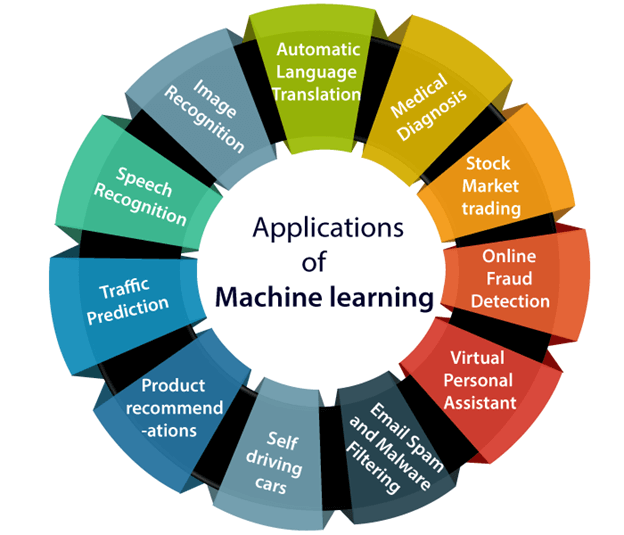
To understand AI, it helps to break it down into its components. Machine Learning (ML) is a subset of AI where computers are trained on data to improve their performance on a specific task without being explicitly programmed for every step. Deep Learning, a further subset of ML, uses neural networks with many layers (hence “deep”) to analyze various factors of data. This mimics the human brain’s structure and is the technology behind advanced applications like image recognition and natural language processing.
Most AI in use today is Narrow AI (or Weak AI). This type of AI is designed and trained for a particular task, such as recommending a song on Spotify or driving a car. General AI, which would possess the ability to understand and learn any intellectual task that a human being can, remains a theoretical goal for the future. For now, the focus in the business world is on applying Narrow AI to solve specific, high-value problems, driving efficiency and innovation across sectors.
How Artificial Intelligence Is Reshaping Industries
The narrative of how artificial intelligence is reshaping industries USA is one of profound operational change. It is not merely a plug-and-play solution but a systemic overhaul of how businesses function.
Process Automation
The most immediate impact of AI is often seen in process automation. Unlike traditional automation, which follows rigid rules, AI-driven automation can handle unstructured data and make decisions. Robotic Process Automation (RPA) combined with cognitive AI allows software bots to process invoices, handle insurance claims, and manage customer onboarding with minimal human intervention. This frees up human employees to focus on strategic, creative, and interpersonal tasks that machines cannot yet replicate.
Data-Driven Decision-Making
Data is the new oil, but raw data is useless without refinement. AI acts as the refinery. By analyzing vast datasets faster and more accurately than any human team could, AI provides leaders with actionable insights. Whether it’s predicting market trends or identifying operational bottlenecks, AI enables data-driven decision-making that removes guesswork. This agility allows US companies to pivot quickly in response to market changes.
Cost Reduction and Scalability
Ultimately, these efficiencies lead to significant cost reductions. By automating routine tasks and optimizing resource allocation, businesses can lower their operational expenses. Furthermore, AI solutions are inherently scalable. A customer service chatbot can handle ten inquiries or ten thousand simultaneously without a drop in performance or a linear increase in cost. This scalability is a key driver for startups and enterprises alike as they look to grow their footprint in the US market.
AI in Healthcare
The healthcare sector is undergoing a radical transformation, with AI in healthcare USA leading the charge in improving patient outcomes and operational efficiency.
Diagnostics and Medical Imaging
One of the most promising applications is in diagnostics. AI algorithms are now capable of analyzing medical images—X-rays, MRIs, and CT scans—with a level of accuracy that matches or sometimes exceeds human radiologists. These systems can detect anomalies like early-stage tumors or fractures that might be missed by the human eye, leading to earlier interventions and better survival rates.
Predictive Analytics & Patient Care
Beyond diagnostics, predictive analytics is changing how care is delivered. By analyzing patient history and genetic data, AI can identify individuals at high risk for chronic conditions such as diabetes or heart disease before symptoms appear. This shifts the focus from reactive treatment to proactive prevention. Personalized medicine, tailored to an individual’s genetic makeup, is becoming a reality, ensuring that treatments are more effective and have fewer side effects.
Administrative Automation
The US healthcare system is notorious for its administrative burden. AI is streamlining these non-clinical tasks, from scheduling appointments to processing billing and insurance claims. Natural language processing tools can transcribe doctor-patient interactions in real-time, updating electronic health records automatically. This reduces physician burnout and allows medical professionals to spend more time with patients rather than paperwork.
AI in Finance & Banking
The financial sector was an early adopter of algorithmic technologies, and today, AI in finance USA is central to maintaining the stability and efficiency of the markets.
Fraud Detection & Risk Management
Security is paramount in banking. AI systems monitor millions of transactions in real-time to detect suspicious patterns that indicate fraud. Unlike older rule-based systems, machine learning models adapt to new tactics used by cybercriminals, staying one step ahead. In risk management, AI analyzes market trends and economic indicators to assess credit risk for loans and investment portfolios, helping institutions minimize losses.
Algorithmic Trading
On Wall Street, high-frequency trading is dominated by AI. Algorithms can execute trades in milliseconds based on complex market criteria, capitalizing on fleeting opportunities that human traders would miss. These systems analyze news feeds, social media sentiment, and financial reports to predict stock movements with remarkable speed and precision.
Personalized Financial Services
For the average consumer, AI powers the personalized banking experience. Robo-advisors provide low-cost investment management tailored to individual goals and risk tolerance. Chatbots in banking apps offer 24/7 assistance, helping users track spending, set budgets, and resolve issues instantly. This democratization of financial advice makes wealth management accessible to a broader segment of the population.
AI in Manufacturing & Supply Chains
The backbone of the American economy, manufacturing, is being revitalized by AI in manufacturing USA, ushering in the era of Industry 4.0.
Predictive Maintenance
Unplanned downtime is a costly nightmare for manufacturers. AI-driven predictive maintenance solves this by using sensors to monitor equipment health in real-time. By analyzing vibration, temperature, and sound data, AI predicts when a machine is likely to fail, allowing maintenance to be scheduled proactively. This maximizes equipment uptime and extends the lifespan of expensive machinery.
Smart Factories and Robotics
The modern factory floor is a hub of collaboration between humans and machines. AI-powered robots are no longer caged off; “cobots” (collaborative robots) work safely alongside humans, handling repetitive or dangerous tasks. Smart factories use AI to optimize production lines dynamically, adjusting to changes in material supply or product specifications instantly.
Demand Forecasting and Logistics
In the supply chain, AI provides visibility and foresight. Advanced algorithms analyze historical sales data, weather patterns, and economic trends to forecast demand with high accuracy. This prevents overstocking or stockouts. In logistics, AI optimizes delivery routes to save fuel and time, ensuring that goods reach their destination as efficiently as possible, a critical capability in a country as large as the USA.
AI in Retail & E-Commerce
The retail landscape is intensely competitive, and AI in retail USA is the key differentiator for brands looking to capture consumer attention.
Recommendation Engines
If you have ever bought a product because a website suggested “customers who bought this also bought…”, you have interacted with an AI recommendation engine. These systems analyze past purchase behavior and browsing history to serve highly relevant product suggestions. This not only improves the user experience but significantly increases average order value and customer retention.
Inventory Optimization
managing inventory is a delicate balancing act. AI helps retailers predict exactly how much stock is needed at specific locations. By analyzing local trends and seasonal demand, retailers can ensure that popular items are always on the shelf without tying up capital in excess inventory.
Customer Behavior Analysis
Understanding the “why” behind a purchase is powerful. AI tools analyze customer sentiment and behavior across online and offline channels. Retailers can track how customers move through a store or navigate a website, identifying friction points and opportunities to improve the shopping journey. This deep level of insight allows for hyper-targeted marketing campaigns that resonate with specific demographics.
AI in Marketing, Sales & Customer Support
The relationship between businesses and customers is being redefined by AI in customer experience.
Chatbots and Virtual Assistants
Gone are the days of waiting on hold for 45 minutes. AI chatbots provide instant support, resolving common queries regarding order status, returns, and product information around the clock. As Natural Language Processing improves, these interactions are becoming indistinguishable from human conversation, providing a seamless support experience.
Personalization at Scale
Marketing is no longer about shouting the loudest; it’s about being the most relevant. AI enables personalization at a scale previously impossible. Marketers can generate unique email content, ad copy, and landing pages for thousands of individual segments. This ensures that every customer feels directly addressed, increasing engagement and conversion rates.
Lead Scoring and Conversion Optimization
Sales teams are using AI to work smarter, not harder. AI tools analyze leads based on their interactions with the brand—website visits, email opens, content downloads—to assign a lead score. This helps sales representatives prioritize the prospects most likely to convert, optimizing their time and increasing revenue.
AI and the Future of Work
The conversation around AI impact on jobs USA is complex, characterized by both anxiety and optimism.
Job Transformation vs Job Loss
While it is true that AI will automate certain tasks, leading to the displacement of some roles, the prevailing trend is job transformation rather than elimination. Routine, repetitive tasks will vanish, but they will be replaced by roles that require critical thinking, emotional intelligence, and complex problem-solving. A bank teller’s role may shift from counting cash to providing financial advice, aided by AI tools.
Upskilling and Reskilling
To navigate this shift, there is a massive need for upskilling and reskilling the workforce. Companies and educational institutions are launching programs to teach employees how to work alongside AI. Literacy in data and digital tools is becoming a fundamental requirement for the modern workforce.
Human-AI Collaboration
The future of work is collaborative. The most successful organizations will be those that view AI as a partner to human intelligence, not a replacement. AI can handle the data crunching and pattern recognition, leaving humans free to interpret the results, make ethical judgments, and build relationships. This synergy amplifies human potential rather than diminishing it.
Challenges & Ethical Considerations
As we embrace these advancements, we must also confront AI challenges and ethics USA.
Bias and Transparency
AI systems learn from human data, and human data contains bias. If an algorithm is trained on historical hiring data that favored a certain demographic, the AI will likely replicate that bias. Ensuring fairness and transparency in AI decision-making is a critical challenge. “Black box” algorithms, where the decision-making process is opaque, pose a significant risk in areas like criminal justice and lending.
Data Privacy and Security
AI relies on massive amounts of data, raising concerns about privacy. How is consumer data being collected, stored, and used? Ensuring that AI systems are secure from breaches and that personal information is protected is a top priority for regulators and businesses alike.
Regulation and Responsible AI
The legal framework for AI is still catching up to the technology. There is a growing call for regulation to ensure responsible AI development. This includes establishing standards for safety, accountability, and the ethical use of autonomous systems. Balancing innovation with regulation will be a defining policy challenge for the US government in the coming years.
Frequently Asked Questions (FAQ)
Q1. How is artificial intelligence reshaping industries in the USA?
AI is reshaping industries by automating routine processes, enabling data-driven decision-making, and creating personalized customer experiences. It is increasing efficiency across sectors from healthcare to finance, allowing businesses to scale operations and reduce costs.
Q2. Which industries benefit the most from AI adoption?
While almost every sector benefits, healthcare, finance, manufacturing, and retail are currently seeing the most significant impacts. These industries rely heavily on data and process optimization, making them ideal candidates for AI integration.
Q3. Will AI replace human jobs?
AI will replace specific tasks, particularly repetitive and manual ones, but it is unlikely to replace entire professions. Instead, it will transform jobs, requiring workers to focus on higher-level cognitive tasks. New roles centered around managing and maintaining AI systems will also emerge.
Q4. How does AI improve business efficiency?
AI improves efficiency by processing data faster than humans, operating 24/7 without fatigue, and minimizing errors in routine tasks. This leads to faster production times, quicker customer service responses, and more accurate financial forecasting.
Q5. What are the risks of AI in industry?
Key risks include algorithmic bias, data privacy violations, and security vulnerabilities. There is also the operational risk of over-reliance on technology without adequate human oversight.
Q6. Is AI adoption expensive for businesses?
Initial implementation can be costly, but cloud-based AI services and “AI as a Service” models are making the technology more accessible to small and medium-sized businesses. The long-term ROI often outweighs the upfront investment.
Q7. What does the future of AI in industries look like?
The future points toward more autonomous systems, deeper integration of General AI concepts, and widespread human-machine collaboration. We can expect AI to become as ubiquitous as the internet, serving as the foundational infrastructure for all business operations.
AI as a Long-Term Industry Disruptor
The integration of artificial intelligence into the US economy is not a passing trend; it is a permanent structural change. AI serves as a long-term industry disruptor that separates forward-thinking organizations from those clinging to the past. The competitive advantage offered by AI—speed, accuracy, and foresight—is becoming insurmountable for non-adopters.
As we look ahead, the adoption of AI is accelerating. We are moving from a phase of experimentation to one of essential utility. Businesses that can navigate the ethical challenges and effectively integrate AI into their workforce will define the next era of American industry. The revolution is already here; the only question remains is how quickly you will adapt.