



How Ancient Civilizations Developed Unique Clothing Styles

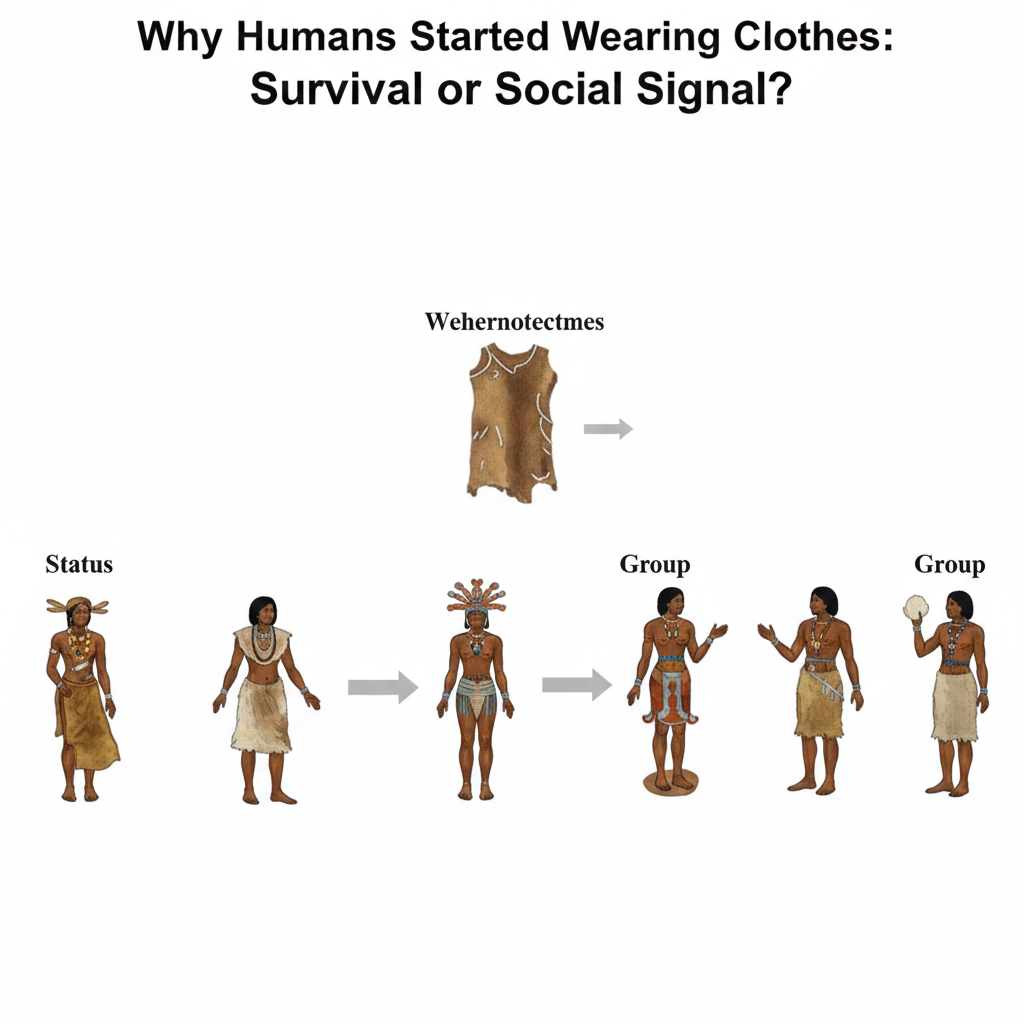
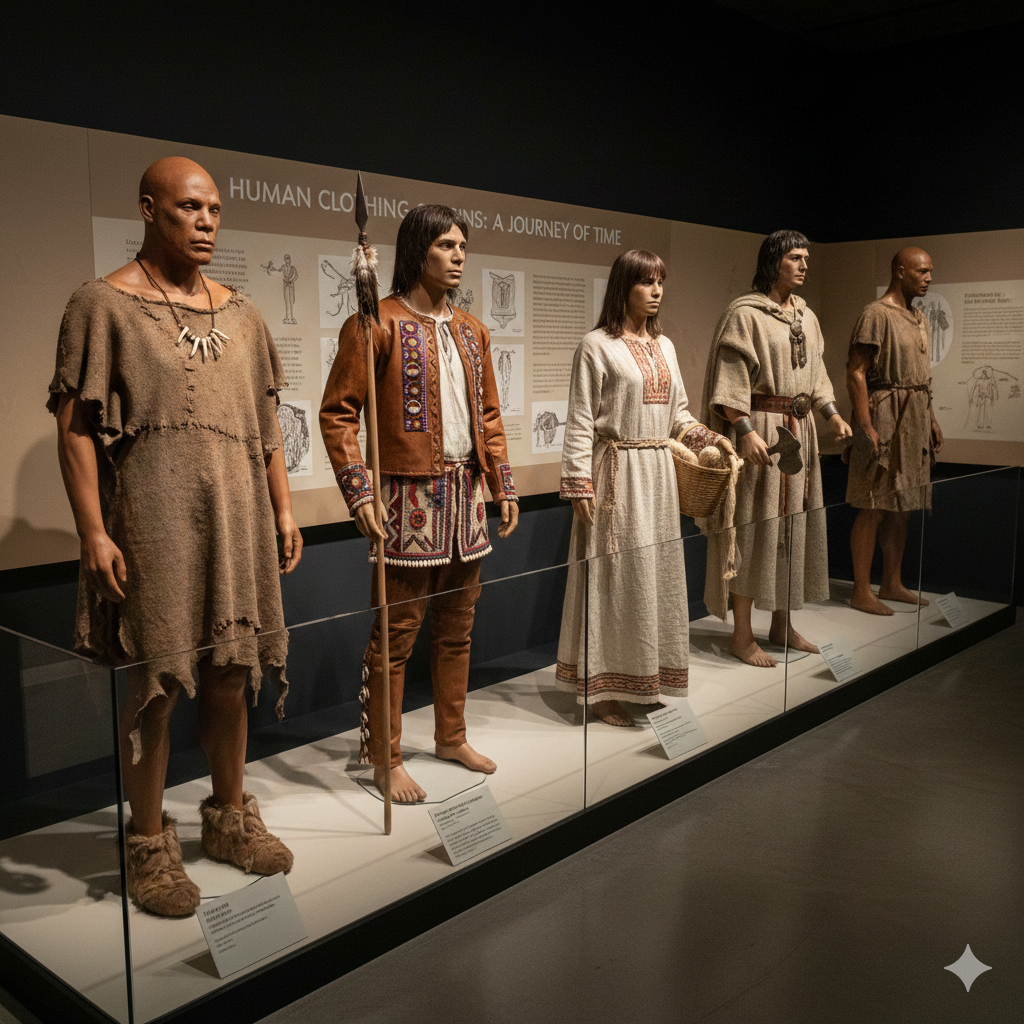
When early humans first started covering their bodies, their primary goal was simply to survive the harsh elements of their environments. Animal hides and thick furs kept the freezing winds at bay, while broad leaves provided a shield against the blistering sun. But as nomadic groups settled down and formed complex societies, a fascinating shift occurred. Garments slowly transformed from basic survival tools into powerful expressions of culture, technology, and social hierarchy.
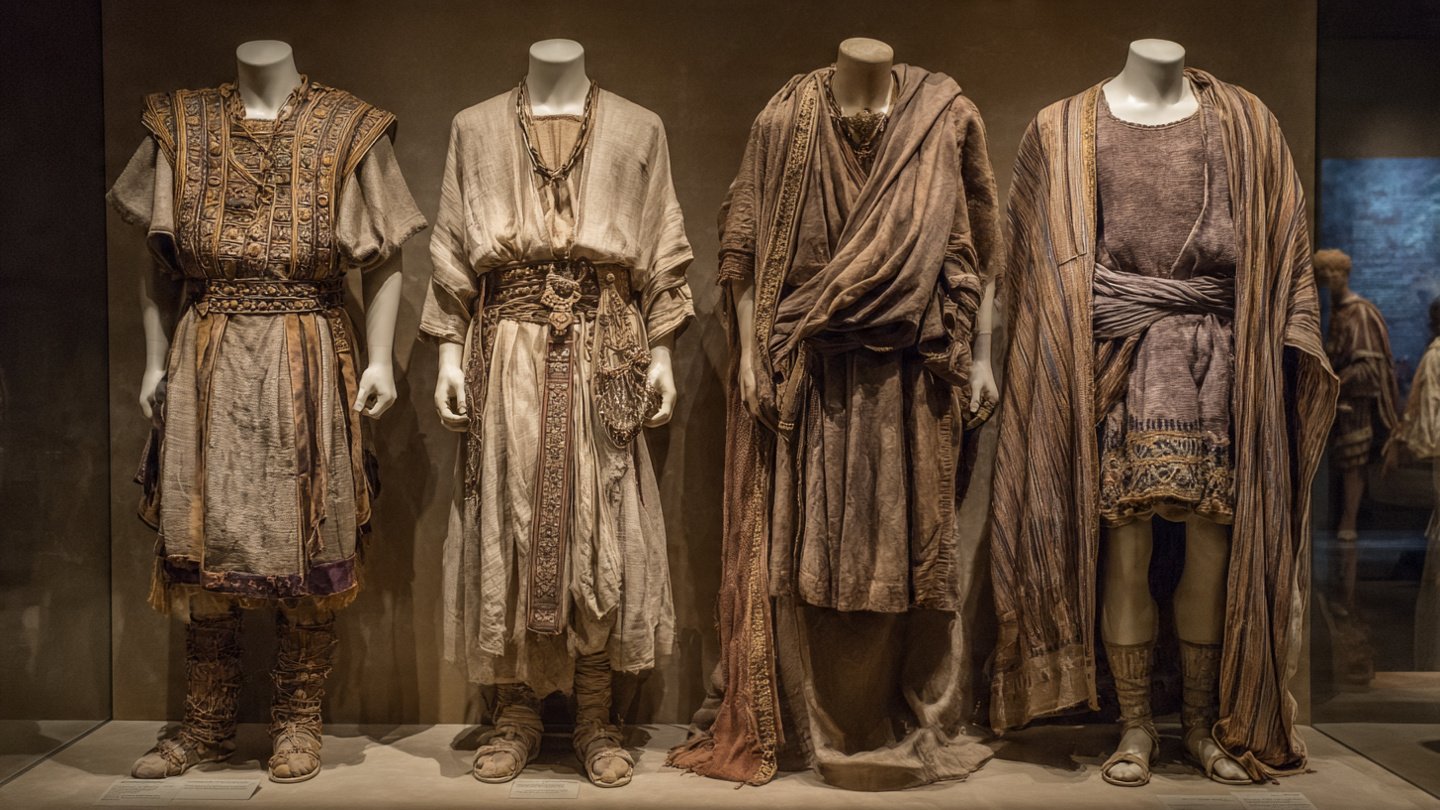
The story of how ancient societies crafted their distinct garments offers a window into their daily lives and values. Every thread, color, and fold held a specific meaning. Wealthy individuals displayed their status through rare dyes and intricate embroidery, while commoners relied on practical, durable materials suited for hard labor. This divergence marked a significant turning point in human history, establishing norms that still influence how we dress.
Understanding the roots of these ancient wardrobe choices requires looking closely at the resources available to different empires. Geography dictated the raw materials they could harvest, while trade routes introduced exotic textiles to eager new markets. By examining these factors, we can see exactly how the earliest empires moved beyond simple necessities and created the foundational blueprints for global fashion.
The Rise of Civilization-Based Clothing Styles
As human societies evolved into organized civilizations, clothing became a canvas for cultural expression rather than just a protective layer. The history of human clothing evolution shows a clear progression from crude, functional wraps to carefully constructed garments. When communities transitioned from hunting and gathering to farming, they gained the stability needed to cultivate specific plants and domesticate animals for their fibers.
This stability sparked the transition from tribal dress to structured fashion. Instead of relying solely on whatever animal skins were available after a hunt, communities began growing flax for linen and breeding sheep for softer wool. These agricultural breakthroughs allowed artisans to experiment with different weaving techniques and garment shapes. Societies could now produce textiles in large quantities, leading to the creation of distinct national or regional styles.
Major historical events that changed clothing often tied back to the rise and fall of large empires. When a powerful civilization conquered a neighboring region, it frequently absorbed and adapted local textile traditions. The establishment of stable governments and organized religious institutions also introduced specific dress codes. Priests, rulers, and soldiers required specialized uniforms to denote their roles, further driving the demand for specialized garment production.
Climate and Geography Shaping Ancient Clothing
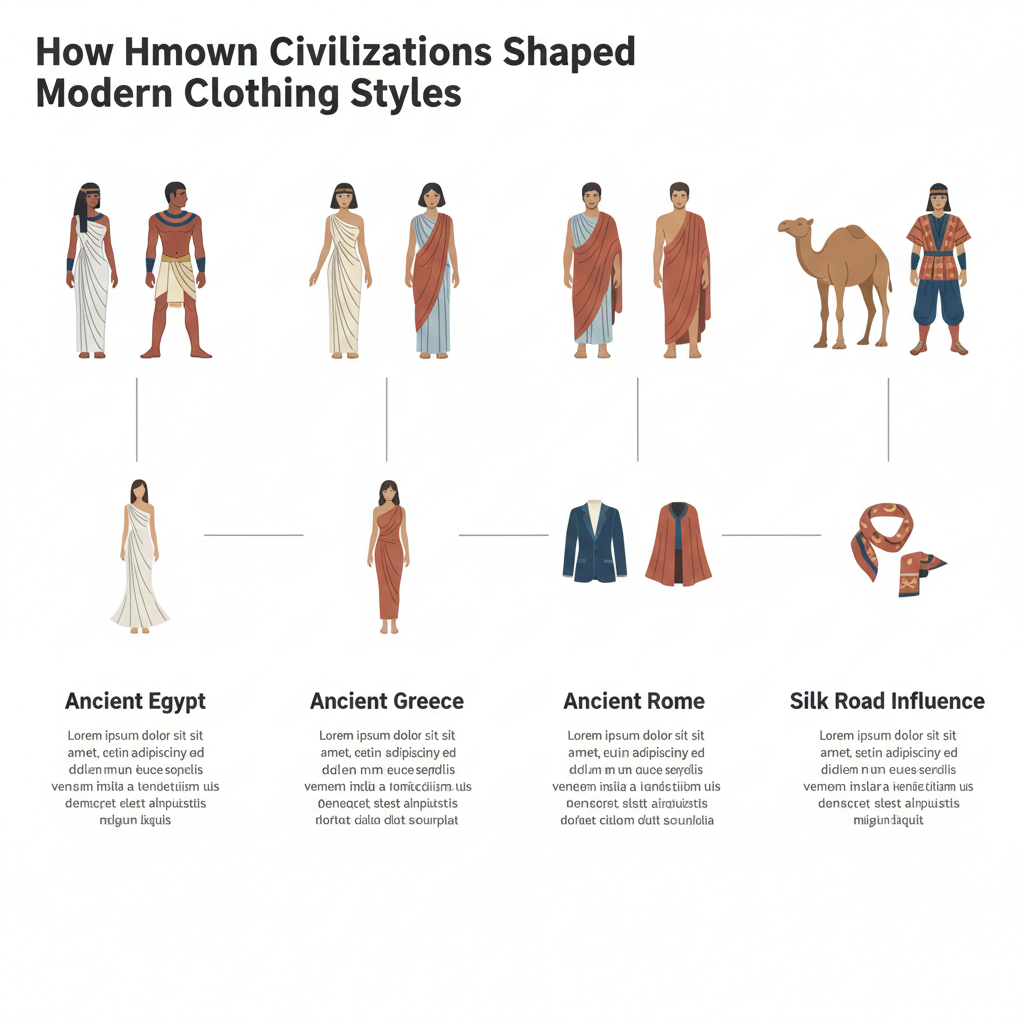
Different civilizations developed clothing perfectly suited to their environment, creating a stark contrast between desert garments and layered cold-weather attire. In the blistering heat of ancient Egypt, heavy animal pelts would have been unbearable. Instead, the Egyptians mastered the cultivation of flax along the Nile River. They wove this flax into incredibly lightweight, breathable linen. Both men and women wore loose-fitting linen garments that allowed air to circulate, keeping them cool under the relentless desert sun.
Conversely, societies living in colder climates had to prioritize warmth and insulation. Examining clothing in ice age vs tropical regions reveals how critical geography was to early textile development. In the mountainous regions of the Andes, the ancient Inca utilized the thick, warm fleece of alpacas and llamas. They created dense ponchos and tunics designed to trap body heat against the freezing high-altitude winds. Similarly, ancient Nordic tribes relied heavily on layered wool and treated animal skins to survive brutal, snow-filled winters.
Migration also played a massive role in how communities adapted their wardrobes over time. Understanding how migration influenced early clothing design shows that moving to a new climate forced immediate innovation. When tribes traveled from temperate zones into harsher environments, they had to rapidly figure out how to process new local materials. They learned to waterproof leather with animal fats or weave tighter fabrics to block the wind, resulting in entirely new regional clothing styles.
Cultural Identity and Social Status in Clothing
Ancient societies frequently used garments to signal a person’s rank, profession, or group identity. You could often determine an individual’s social standing simply by looking at the quality of their fabric or the colors they wore. In ancient Rome, the toga served as a powerful symbol of citizenship. Only free Roman men were legally allowed to wear it. The specific type of toga further indicated rank; for example, senators wore a toga featuring a distinct purple stripe, instantly marking them as men of immense political power.
This system of visual ranking was a major departure from functional vs symbolic clothing in early tribes, where garments were mostly egalitarian and based on practical needs. In ancient China, the use of color was strictly regulated by imperial law. The color yellow was reserved exclusively for the emperor and his immediate family. Anyone else caught wearing yellow faced severe punishment. Silk, being expensive and labor-intensive to produce, was also heavily restricted to the upper echelons of society for many centuries.
These ancient dress codes established a psychological framework that persists today. When we analyze what clothing says about identity in modern society, we see echoes of these ancient practices. Professional uniforms, designer labels, and specific color choices still communicate wealth, authority, and group affiliation. The ancient rulers understood that controlling the visual landscape of their people was a highly effective way to maintain social order and reinforce hierarchies.
Textile Innovation in Ancient Civilizations
The creation of distinctive clothing traditions relied heavily on advancements in weaving, dyeing, and tailoring. The earliest textile creation in human history involved twisting natural fibers together by hand to create simple cords. Over thousands of years, this basic concept evolved into sophisticated spinning and weaving technologies. The invention of the loom was a monumental leap forward. It allowed artisans to create large, uniform pieces of fabric much faster than manual braiding or knotting.
The from fiber to fabric clothing process varied greatly depending on the civilization. In ancient Mesopotamia, wool was the primary textile. The Sumerians and Babylonians developed complex methods for shearing sheep, washing the fleece, spinning it into yarn, and weaving it into heavy cloaks and skirts. Meanwhile, ancient Chinese artisans closely guarded the secret of sericulture—the process of harvesting silk from silkworms. This delicate process resulted in a fabric of unmatched smoothness and luster, giving Chinese clothing a distinct, elegant drape.
Understanding the difference between woven and knitted garments is also crucial to tracing ancient clothing history. While weaving on a loom was the most common method for producing large textiles in places like Egypt and Greece, early forms of knitting and nalbinding a technique using a single needle appeared in the Middle East and the Americas. These techniques allowed for stretchy, form-fitting garments like socks and caps, providing specialized comfort that rigid woven fabrics could not offer.
Trade and Cultural Exchange Influencing Clothing
No civilization existed in a vacuum, and trade routes helped spread fabrics, dyes, and clothing styles between distant lands. The Silk Road is perhaps the most famous example of this cultural exchange. Stretching from China to the Mediterranean Sea, this massive network of trade routes facilitated the movement of precious goods. Roman aristocrats became incredibly infatuated with Chinese silk, importing massive quantities of it to create luxurious, flowing garments that shocked traditional Roman sensibilities.
It is fascinating to see how trade routes spread clothing styles across entire continents. Along with silk, merchants transported exotic dyes that transformed the visual landscape of ancient fashion. The Phoenicians, masters of maritime trade, monopolized the production of Tyrian purple dye. Extracted from the glands of sea snails, this dye was so incredibly expensive that only royalty could afford it. As Phoenician ships traveled the Mediterranean, they introduced this vibrant color to the Greeks and Romans, cementing purple as the universal color of kings.
Through trade, foreign garment shapes also began to blend with local traditions. When Alexander the Great expanded his empire across Asia, Greek styles merged with Persian and Indian clothing customs. The Greeks adopted pants from Persian horsemen, realizing the practical benefits of bifurcated garments for riding. This constant exchange of ideas, materials, and techniques ensured that ancient clothing was always evolving, adopting the best and most beautiful elements from neighboring societies.
Ancient Clothing and the Birth of Fashion Silhouettes
As textile production became more advanced, civilizations began shaping garments intentionally, creating recognizable silhouettes that defined their cultures. But what is a clothing silhouette exactly? It is the overall shape or outline that a garment creates when worn on the body. Instead of simply wrapping a rectangular piece of fabric around themselves, ancient tailors started cutting and sewing textiles to achieve specific geometric forms.
In ancient Egypt, the preferred silhouette was highly structured and closely fitted to the body, emphasizing a slender, youthful physique. Both men and women wore tightly draped linen that highlighted their natural forms. In contrast, the ancient Greeks favored a more fluid, organic silhouette. Garments like the chiton and peplos were constructed from large rectangles of wool or linen, pinned at the shoulders and belted at the waist. This created elegant, cascading folds that moved beautifully with the wearer.
Artisans paid careful attention to how proportion and balance shape clothing silhouettes. The Japanese kimono, which has roots reaching back to ancient times, relies on a T-shaped, straight-lined structure. When wrapped around the body and secured with an obi sash, it creates a balanced, columnar silhouette that completely changes the wearer’s physical proportions. These early experiments with cut, drape, and proportion laid the technical groundwork for modern fashion design.
Ancient Civilizations as the Foundation of Fashion
The clothing traditions of early civilizations provided the essential building blocks for the global fashion systems we interact with today. By learning to cultivate fibers, invent looms, and extract brilliant dyes from nature, ancient people turned simple necessities into high art. They established the fundamental rules of how humans use clothing to communicate power, identity, and cultural belonging.
Looking back at why humans started wearing clothes, it is remarkable to trace the journey from basic survival to imperial majesty. The ancient Egyptians, Romans, Chinese, and Incas all faced unique environmental challenges, yet they all arrived at the same conclusion: clothing is a vital canvas for human ingenuity. The specific shapes and colors they favored may have faded into history, but their underlying methods of textile production and social signaling remain fully intact.
As we consider the future of human clothing in a digital world, we must acknowledge that our deepest fashion instincts were forged thousands of years ago. Whether we are utilizing smart fabrics or 3D-printed textiles, we are still engaging in the same fundamental pursuit as our ancient ancestors. We use our garments to protect ourselves, project our identities, and connect with the culture around us.