


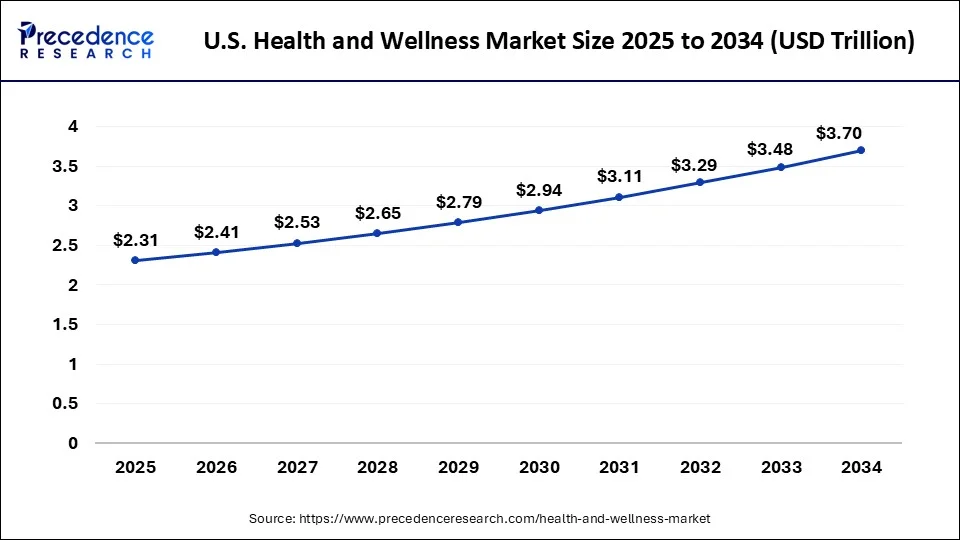
In recent years, the concept of being “healthy” has undergone a radical transformation. It is no longer just about visiting the doctor when you are sick or hitting the gym a few times a week. We are witnessing a seismic shift from reactive care—treating illness after it appears—to proactive wellness. This new era focuses on optimizing lifestyle, leveraging technology, and prioritizing longevity before issues even arise.
As we move deeper into the decade, Americans are redefining what it means to be well. It is a holistic pursuit that integrates physical fitness, mental resilience, nutritional science, and cutting-edge tech. The goal isn’t just to live longer, but to live better. The health trends shaping wellness in 2026 USA reflect a society that is more informed, more data-driven, and more committed to sustainable health practices than ever before.
This article explores how these trends are reshaping our daily lives and what you can do to stay ahead of the curve. From AI-driven insights to the gut-brain connection, we will uncover the strategies defining the future of American well-being.
The Current State of Wellness in the USA
The landscape of American health is changing rapidly. Rising healthcare costs and a growing awareness of chronic disease have pushed consumers to take the reins of their own health journeys. We are seeing a widespread move away from the passive patient model toward active participation in personal well-being.
Wellness trends in the USA indicate that people are looking for holistic solutions. It is not just about a prescription; it is about how sleep, diet, stress, and movement interconnect. This consumer-driven approach is forcing industries to adapt. Grocery stores are stocking more functional foods, employers are rethinking workplace culture, and tech companies are racing to build the ultimate health companion.
This shift is fueled by information accessibility. With research and data at our fingertips, Americans are making more informed decisions about everything from the supplements they take to the type of therapy they seek. The result is a more empowered population that demands transparency, personalization, and efficacy in their wellness products and services.
Top Health Trends Shaping Wellness in 2026
At the heart of this transformation are several key movements. The health trends shaping wellness in 2026 USA generally fall into three main buckets: preventive care, mental resilience, and hyper-personalization.
First, the days of one-size-fits-all healthcare are fading. Personalization is king. Whether through genetic testing or wearable data, individuals want plans tailored to their unique biology. Second, the stigma around mental health continues to crumble, making emotional well-being a foundational pillar of overall health. Finally, the focus is shifting toward predictive measures—using tools to foresee potential health risks and mitigating them through lifestyle changes today.
These trends are not fleeting fads; they are structural changes in how we approach human biology. They represent a maturation of the wellness industry, moving from vague promises to science-backed strategies.
Preventive Healthcare & Early Intervention
Perhaps the most significant shift is the emphasis on preventive health trends USA. The old adage “an ounce of prevention is worth a pound of cure” has never been more relevant. Americans are increasingly prioritizing routine screenings and advanced diagnostics to catch issues early.
This isn’t just about annual physicals. It involves comprehensive blood panels, hormonal assessments, and even genomic sequencing to understand predispositions. By identifying risk factors early—such as elevated inflammation markers or nutrient deficiencies—individuals can make lifestyle adjustments that prevent chronic diseases like diabetes or heart disease from developing in the first place.
Beyond the personal health benefits, there is a massive economic incentive. Preventive care significantly reduces long-term healthcare costs. Insurers and employers are catching on, incentivizing healthy behaviors and screenings. The focus is on lifestyle-based prevention: using food, movement, and stress management as the primary tools for disease avoidance.
Mental Health as a Core Wellness Priority
Mental health is no longer a side note; it is the headline. Mental wellness trends USA show that emotional and psychological health are now treated with the same urgency as physical health. The collective experience of global stressors over the last few years has heightened awareness around anxiety, burnout, and depression.
In 2026, therapy is viewed as routine maintenance rather than crisis intervention. We are seeing a surge in diverse therapeutic modalities, from traditional talk therapy to somatic experiencing and mindfulness-based stress reduction. Digital mental health tools have democratized access, allowing people to connect with professionals or practice cognitive behavioral techniques from their smartphones.
Workplaces are also evolving. Corporate wellness programs are expanding beyond gym memberships to include “mental health days,” stress management workshops, and access to counseling services. Recognizing that a healthy employee is a productive one, businesses are integrating mental wellness into the fabric of their organizational culture.
Digital Health & Wellness Technology
Technology is the glue holding modern wellness together. Digital health trends USA highlight how integrated our lives have become with data. We are moving far beyond simple step counters. Today’s health tracking apps and wearables monitor heart rate variability (HRV), blood oxygen levels, sleep stages, and even glucose responses in real-time.
This influx of data allows for a level of self-awareness previously impossible outside of a clinical setting. AI-driven wellness insights are taking this raw data and turning it into actionable advice. Your watch might tell you to prioritize recovery today because your HRV is low, or your app might suggest a specific meal based on your glucose trends.
Telehealth has also cemented its place in the ecosystem. Remote monitoring allows doctors to keep tabs on patients with chronic conditions without requiring constant office visits. This hybrid model of care—combining high-tech monitoring with human expertise—is making healthcare more accessible and efficient.
Nutrition, Gut Health & Functional Wellness
The conversation around food has shifted from “weight loss” to “fuel and function.” Nutrition trends USA 2026 focus heavily on personalized nutrition. We now understand that a diet that works for one person might cause inflammation in another. Continuous glucose monitors (CGMs) and microbiome testing are helping people tailor their diets to their specific metabolic needs.
Gut health remains a central theme. The scientific community continues to uncover the deep connections between the gut microbiome and everything from immunity to mood regulation. This has led to a boom in functional foods—ingredients designed to provide health benefits beyond basic nutrition. Think fermented foods for probiotics, prebiotic fibers to feed good bacteria, and adaptogens to help the body manage stress.
Consumers are also demanding “clean labels.” They want whole, unprocessed foods with transparent ingredient lists. The shift is away from highly processed “diet” foods toward nutrient-dense, whole-food diets that support long-term vitality.
Fitness, Mobility & Everyday Movement
The “no pain, no gain” mentality is being replaced by a smarter, more sustainable approach to exercise. Fitness trends USA 2026 prioritize longevity and functional capability over aesthetics. High-intensity interval training (HIIT) still has its place, but there is a growing emphasis on low-impact workouts like Pilates, yoga, and swimming.
Mobility and recovery are now seen as essential components of a fitness routine, not just something you do when you’re injured. People want to move well for as long as possible. This means focusing on joint health, flexibility, and balance—skills that become increasingly critical as we age.
Home and hybrid fitness routines have stuck around. While gyms are packed, many Americans continue to utilize digital platforms for convenience. The ability to do a quick 20-minute mobility flow in the living room lowers the barrier to entry, making consistent movement easier to maintain.
Sleep, Recovery & Stress Management
If nutrition and exercise are the pillars of health, sleep is the foundation. Sleep wellness trends USA reflect a society that is finally waking up to the dangers of sleep deprivation. Sleep optimization is a major industry, with tools ranging from smart mattresses that regulate temperature to apps that track sleep cycles and offer coaching.
Recovery is now a lifestyle. It’s not just about sleeping eight hours; it’s about managing the nervous system throughout the day. Techniques like breathwork, cold exposure (ice baths), and sauna sessions are becoming mainstream ways to manage stress and enhance physiological recovery.
Managing digital fatigue is a crucial part of this equation. Blue light blocking glasses and “digital detox” periods are becoming standard practices to protect circadian rhythms and mental clarity in an always-on world.
Longevity & Healthy Aging Trends
Finally, the ultimate goal of all these trends is longevity. Longevity wellness trends USA distinguish between “lifespan” (how long you live) and “healthspan” (how long you live in good health). The objective is to square the curve—to stay healthy and active right up until the end of life.
Preventive aging strategies are gaining traction. This includes everything from skincare routines that protect the barrier to supplements like NAD+ precursors that support cellular energy. Biohacking—the practice of using science and technology to optimize human biology—is moving from the fringe to the mainstream.
Lifestyle medicine is key here. Doctors are prescribing lifestyle changes as the first line of defense against aging. It turns out that the boring basics—sleep, vegetables, movement, and community—are the most powerful anti-aging drugs we have.
Frequently Asked Questions (FAQ)
Q1. What are the biggest health trends shaping wellness in 2026?
The biggest trends include a shift toward preventive and predictive healthcare, the integration of mental health into daily wellness, personalized nutrition based on biological data, and the use of AI and wearable technology to monitor real-time health metrics.
Q2. Why is preventive healthcare central to modern wellness?
Preventive healthcare focuses on stopping diseases before they start. It improves long-term quality of life (healthspan) and significantly reduces healthcare costs by avoiding expensive treatments for chronic conditions that could have been managed through lifestyle changes.
Q3. How is mental health influencing wellness trends in the USA?
Mental health is now seen as a foundational pillar of overall well-being. This has led to the normalization of therapy, the rise of digital mental health apps, and the integration of stress management techniques like mindfulness into workplaces and schools.
Q4. What role does technology play in wellness today?
Technology is the enabler of personalized wellness. Wearables track vital signs, apps interpret data to provide actionable advice, and telehealth platforms connect patients with providers. AI is also helping to predict health risks and tailor nutrition and fitness plans.
Q5. Are Americans focusing more on long-term health?
Yes. There is a strong movement toward longevity and extending “healthspan.” Americans are increasingly interested in strategies that keep them mobile, cognitively sharp, and energetic well into old age, rather than just treating immediate symptoms.
Q6. How does nutrition fit into 2026 wellness trends?
Nutrition is moving away from generic diets toward personalization. Trends focus on gut health, blood sugar regulation, and functional foods that support specific bodily functions. There is a strong preference for whole, minimally processed foods.
Q7. What does the future of wellness look like beyond 2026?
Beyond 2026, we can expect even deeper integration of AI in healthcare, potentially leading to fully predictive medical models. We may also see advancements in genomic editing and personalized medicine that allow for highly targeted treatments based on an individual’s DNA.
Final Thoughts: The Future of Wellness in the USA
As we look toward the latter half of the decade, it is clear that wellness in the USA has evolved into a comprehensive lifestyle choice. It is no longer a series of isolated habits but an integrated ecosystem where mind, body, and technology work in unison.
The shift is undeniable: we are moving from a system that treats sickness to a culture that cultivates health. Proactive, personalized care is the new standard. By embracing these trends—whether it’s tracking your sleep, prioritizing protein, or taking five minutes for mindfulness—you are investing in a future where you don’t just survive, but thrive.