


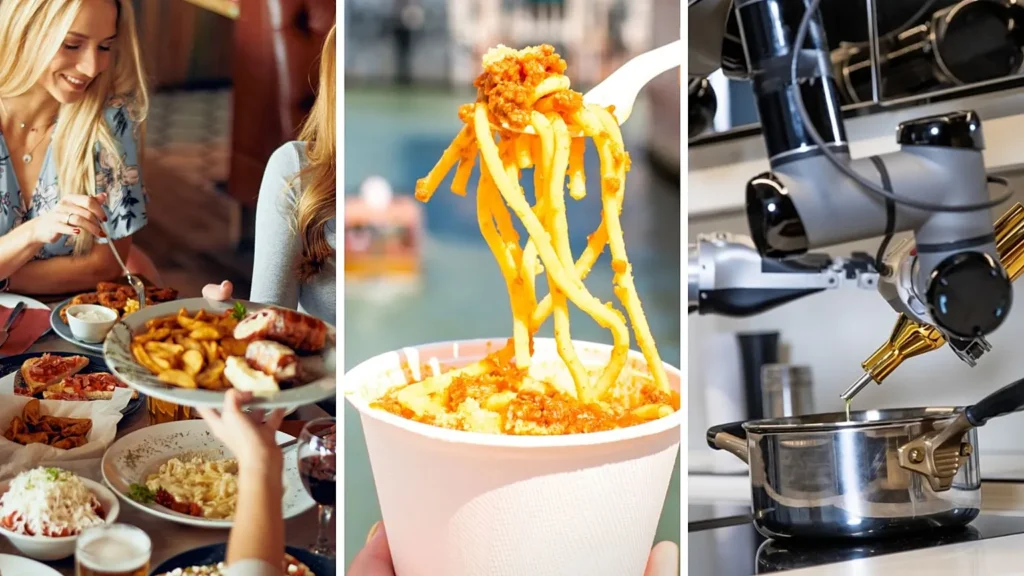
Ten years ago, discovering a new dish usually happened in one of three ways: a recommendation from a friend, a segment on the Food Network, or a lucky find at a local restaurant. The path from discovery to dinner plate was slow and linear. The landscape looks entirely different now. A teenager in Ohio can watch a street vendor in Seoul prepare a cheesy corn dog, and within hours, millions of Americans are searching for recipes or local spots that serve it.
Social media has fundamentally altered how we eat, cook, and shop for food. It is no longer just a place to post photos of brunch; it is the primary engine driving culinary curiosity in the United States. Platforms like TikTok, Instagram, and YouTube have turned food into a visual language, prioritizing aesthetics, speed, and entertainment value. This shift has democratized food influence, allowing home cooks and content creators to shape national palates just as effectively as Michelin-starred chefs.
This digital transformation goes beyond viral videos. It impacts supply chains, restaurant menus, and health perceptions. Understanding these dynamics is essential for anyone interested in culinary culture, from the casual foodie to the restaurant owner trying to stay relevant.
The Rise of Social Media–Driven Food Trends
The speed at which food trends move in the United States has accelerated dramatically. In the past, a food trend like fondue or quiche might take years to permeate the culture. Now, social media food trends USA cycles can rise and fall in a matter of weeks.
Platforms Shaping Food Choices
Different platforms serve different functions in the food ecosystem. Instagram pioneered the “food porn” aesthetic, where perfect lighting and composition made food a status symbol. Pinterest served as the digital recipe box, helping users plan meals for the week.
However, TikTok changed the game with its algorithm. Unlike Instagram, which relied heavily on who you followed, TikTok serves content based on interest. If you watch one video about baking bread, your feed is suddenly flooded with sourdough starters. This creates a hyper-accelerated adoption curve. A single video can trigger a nationwide shortage of ingredients—like the feta cheese phenomenon of 2021—proving the tangible power of these digital spaces.
The Speed of Adoption
The barrier to entry for these trends is low. You don’t need a reservation at an exclusive bistro to participate; you just need a smartphone and a grocery store. This accessibility means trends are adopted almost instantly across the country, creating a shared cultural moment centered around food.
Global Food Trends Influenced by Social Media
Perhaps the most significant impact of the digital age is the globalization of the American pantry. Global food trends influenced by social media USA consumers by exposing them to cuisines they might never have encountered otherwise.
Cross-Cultural Food Exposure
The algorithms favor novelty and visual engagement. This has given rise to a massive appreciation for international dishes that feature vibrant colors, unique textures, or satisfying cooking sounds (ASMR). Dishes like Birria tacos (Mexico), Fufu (West Africa), and Tanghulu (China) have had massive viral moments in the US.
This exposure builds cultural curiosity. Users aren’t just watching; they are learning. They learn about gochujang, ghee, and za’atar. They see how real families across the globe prepare dinner, stripping away the intimidation factor that often accompanies cooking foreign cuisines.
Democratization of Food Influence
Culinary authority used to rest in the hands of major publications and television networks. Today, a grandmother in rural Italy or a street vendor in Mumbai can directly influence what an American family eats for dinner. This democratization means that authentic, home-style global cooking often gains more traction than polished, westernized versions of those same dishes.
Viral Recipes & Short-Form Video Platforms
The format of the content dictates the trend. Viral food trends USA are almost exclusively driven by short-form video. The constraint of a 60-second clip forces creators to strip a recipe down to its most visually stimulating or surprising elements.
The Anatomy of a Viral Hit
Why do some recipes explode in popularity while others flop? Viral recipes usually share a few characteristics:
- Simplicity: They often use “hacks” or shortcuts (e.g., the tortilla fold hack).
- Visual Transformation: The viewer sees a dramatic change, like a blooming onion or a melting chocolate dome.
- Sound: The crunch of fried chicken or the sizzle of a steak is crucial for retention.
- Controversy or Novelty: Sometimes, recipes go viral because they are polarizing (like putting mustard on watermelon), prompting users to try it just to weigh in on the debate.
Home Cooking Made Entertaining
TikTok and Instagram Reels have turned cooking into a performance art. It is no longer just about the nourishment; it is about the process. This has revitalized interest in home cooking among younger generations (Gen Z and Millennials), who view cooking as a creative outlet rather than a chore.
Influencers, Creators & Digital Food Authority
The messenger is just as important as the message. Food influencers USA audiences have built massive followings based on personality and perceived authenticity.
Trust and Relatability
Traditional celebrity chefs often feel inaccessible. Influencers, conversely, often film in regular kitchens with standard equipment. When a creator admits they burned the first batch or that a recipe is “actually really hard,” it builds trust. This parasocial relationship means that when an influencer recommends a specific brand of olive oil or a kitchen gadget, their audience listens.
Creator-Led Food Movements
We are seeing a shift from brand-led trends to creator-led movements. Brands are no longer the sole tastemakers. Instead, smart brands are partnering with creators to tap into niche communities. However, audiences are becoming savvy at spotting inauthentic partnerships. The most successful trends are often organic—starting with a genuine enthusiasm for a product or dish—before being co-opted by corporate marketing.
Global Cuisines Gaining Popularity Online
As mentioned, the appetite for international flavors is growing. Global cuisine trends USA data shows a spike in interest for spicy, fermented, and texture-heavy foods, largely driven by social viewing.
The Asian Food Boom
Asian cuisine, particularly Korean and Japanese, has seen explosive growth due to social media. The visual appeal of bubble tea, the stretch of mozzarella in Korean corn dogs, and the intricate preparation of sushi make them perfect for video formats. This has translated to real-world sales, with grocery stores expanding their Asian condiment sections to meet demand.
Fusion Cuisine Popularity
Social media loves a mash-up. “Sushi bake,” “Cheeseburger spring rolls,” and “Taco pizza” perform well because they combine the familiar with the novel. While purists may critique these combinations, they serve as a gateway for many Americans to experiment with new flavor profiles in a safe, approachable way.
Health, Diet & Wellness Trends on Social Media
The mirror image of the “food porn” trend is the wellness sector. Healthy food trends USA consumers follow are heavily dictated by the visual culture of Instagram and TikTok.
“What I Eat in a Day”
This video format is ubiquitous. Influencers document every meal, often promoting a specific lifestyle—whether it’s Keto, Vegan, Paleo, or “clean eating.” While this can provide inspiration, it also commodifies health. A healthy meal on social media often has to look healthy (green juices, perfectly arranged acai bowls) to perform well.
Plant-Based and Functional Foods
Social media has accelerated the adoption of plant-based diets. Creative vegan recipes that mimic meat or cheese often go viral, showing skeptics that plant-based food can be indulgent. Similarly, “functional foods”—ingredients that offer health benefits beyond basic nutrition, like turmeric, sea moss, or chlorophyll—often see spikes in sales after trending online as miracle cures or wellness boosters.
The Risk of Misinformation
The downside is the rampant spread of nutritional misinformation. Unqualified influencers often dispense diet advice that lacks scientific backing. Trends can encourage restrictive eating patterns or promote expensive supplements that offer little actual value, confusing consumers about what a balanced diet actually looks like.
Restaurant Marketing & Social-First Menus
The digital revolution has forced brick-and-mortar establishments to adapt. Social media restaurant trends now dictate interior design, plating, and menu development.
Instagrammable Food Design
If you didn’t post it, did you even eat there? Restaurants are increasingly designing dishes specifically for the camera. This means over-the-top milkshakes, food served on shovels or in distinct vessels, and neon signs on the walls. The lighting in restaurants is even being adjusted to be more phone-friendly.
The “Secret Menu” and LTOs
Chains like Starbucks and Chipotle have leaned into digital culture by launching items that originated as customer hacks on TikTok. Limited Time Offers (LTOs) generate fear of missing out (FOMO), driving foot traffic. Restaurants monitor social conversation to see what flavor profiles are trending and pivot their R&D to match the speed of the internet.
Consumer Behavior & Food Purchasing Decisions
The funnel from “seeing” to “eating” has collapsed. Food purchasing behavior USA analysts note that social media is now a primary point of sale.
Discovery-to-Purchase Journeys
Apps like DoorDash and UberEats are integrating with social platforms. A user might see a delicious burger on a video and be able to click a button to order something similar from a local restaurant immediately.
Grocery Store Influence
The “TikTok effect” in grocery stores is real. Managers have reported sudden runs on specific items—kewpie mayo, rice paper, heavy cream—that correlate directly with viral recipes. Consumers are more willing to spend money on premium or niche ingredients if they have seen a video that gives them the confidence to use them. This is “curiosity spending,” where the purchase is driven by the desire to participate in a cultural moment.
Challenges of Social Media–Driven Food Trends
While the diversity of food content is positive, there are downsides to this ecosystem. Social media food trend challenges include sustainability issues and mental burnout.
Sustainability and Waste
Viral trends often prioritize aesthetics over practicality. This can lead to food waste, where ingredients are bought for a video and then discarded. Furthermore, sudden global demand for specific crops (like avocados or quinoa) driven by Western trends can strain local agriculture and supply chains in the countries of origin.
Trend Fatigue
The cycle moves so fast that it can be exhausting. Consumers (and content creators) can feel pressure to constantly keep up with the “next big thing.” This leads to trend fatigue, where users stop engaging because the sheer volume of new “must-try” hacks becomes overwhelming.
Unrealistic Expectations
Social media food is styled. The cheese pull is engineered; the lighting is artificial. When home cooks try to replicate these dishes and they look messy or unappealing, it can lead to discouragement. The gap between the curated digital image and the messy reality of the kitchen is a constant source of tension.
Frequently Asked Questions (FAQ)
Q1. How does social media influence global food trends?
Social media accelerates the spread of food trends by removing geographical barriers. A dish popular in one country can go viral globally through visual platforms, encouraging people to try new ingredients and cuisines they wouldn’t encounter locally.
Q2. Which platforms drive food trends the most?
TikTok and Instagram are the primary drivers due to their visual, short-form video formats. YouTube remains important for long-form tutorials, while Pinterest is key for recipe saving and planning.
Q3. Are viral food trends sustainable long-term?
Most are not. The cycle of viral trends is rapid; most fade within a few months. However, broader shifts that start as trends—like the rise of plant-based eating or interest in Korean BBQ—often have lasting staying power.
Q4. How do influencers impact what people eat?
Influencers build trust with their audiences. When they endorse a product or recipe, it acts as social proof, encouraging followers to purchase ingredients or visit restaurants. They bridge the gap between brands and consumers.
Q5. Does social media change restaurant menus?
Yes. Restaurants often create “Instagrammable” dishes designed to be photographed and shared. They also monitor social media to adopt popular flavor profiles (like hot honey or truffle) into their menu offerings.
Q6. Can social media food trends affect health choices?
Yes, both positively and negatively. They can introduce users to healthy ingredients and cooking methods, but they can also spread nutritional misinformation and promote restrictive diet cultures.
Q7. What future food trends may emerge online?
Expect to see a continued rise in eco-conscious cooking (zero-waste recipes), hyper-regional global cuisines (specific regions rather than just countries), and AI-generated recipes or meal planning.
Social Media as a Global Food Trend Engine
The relationship between our screens and our stomachs is permanent. Social media has evolved from a passive entertainment source into an active engine of culinary change. It has democratized influence, allowing a diverse range of voices to shape what the United States eats.
While the rapid-fire nature of social media food trends USA can be overwhelming, the net positive is a more adventurous, educated, and connected dining culture. The barriers to trying new things have never been lower. Whether it is a viral pasta dish or a centuries-old technique from a distant culture, digital platforms are ensuring that the future of food is shared, visual, and constantly evolving.