


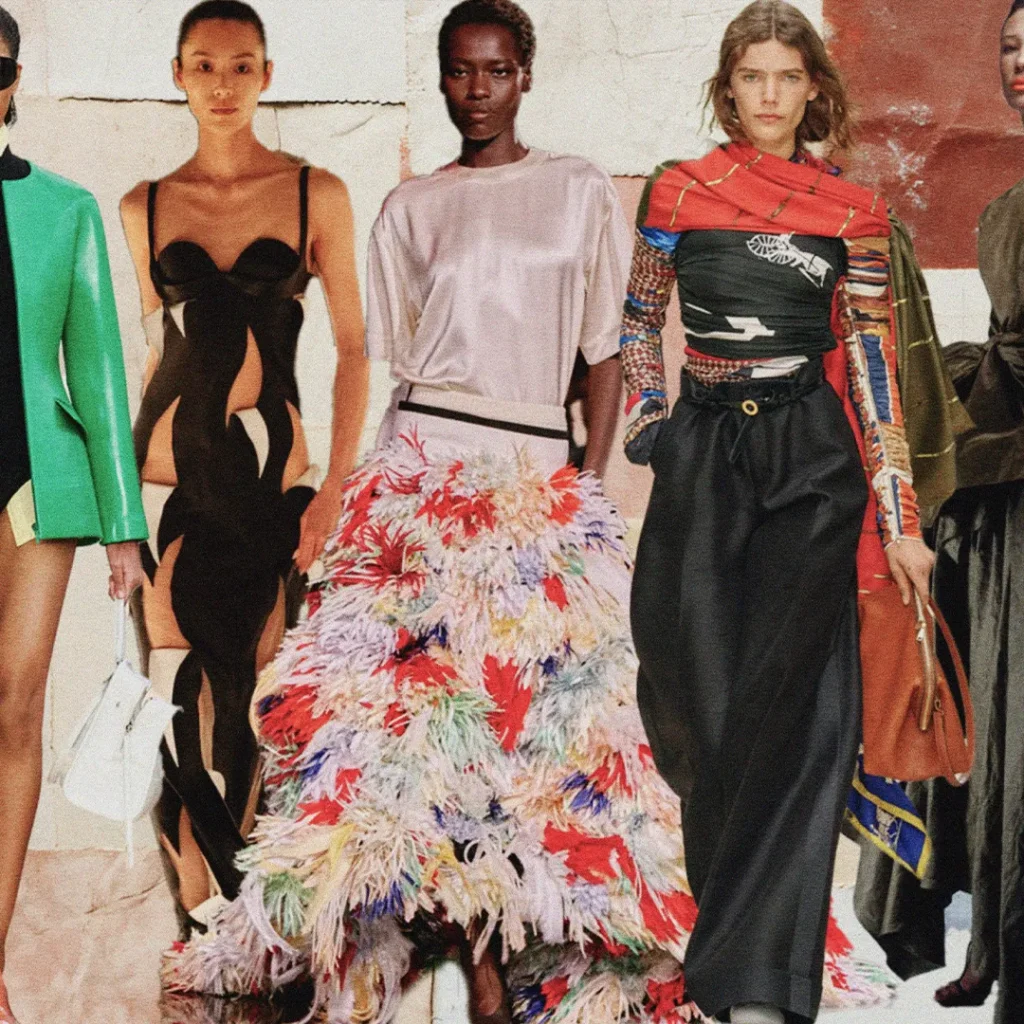
The calendar has turned, and with it, the way Americans dress is evolving once again. If the early 2020s were defined by a chaotic mix of lockdown loungewear and “dopamine dressing,” 2026 is emerging as the year of intention. The frantic pace of micro-trends—where aesthetics lived and died within a two-week TikTok cycle—is finally slowing down. In its place, we are seeing a shift toward longevity, functionality, and a deeply personal approach to style.
Cultural shifts and lifestyle changes are driving this transformation. The hybrid work model is no longer an experiment; it’s the standard. Climate anxiety is no longer a fringe concern; it’s a primary purchasing driver. Technology is no longer just a gadget in our pocket; it’s woven into the very fabric of our shirts.
This year isn’t about abandoning style for comfort, nor is it about sacrificing comfort for high fashion. It is about the seamless integration of both. As we look at the landscape of American style, we see a nation that wants clothes that work as hard as they do, without compromising on aesthetic appeal. Let’s explore the key movements shaping the closets of 2026.
The State of Fashion in the USA
To understand where we are going, we must look at where we are. The current state of fashion trends in the USA reflects a consumer base that is more educated and demanding than ever before. Gone are the days when a brand could dictate what was “cool” simply by putting it on a runway. Today, influence flows upwards from the streets and social feeds.
Consumer behavior has shifted dramatically. Online shopping continues to dominate, but the “return culture” backlash has made shoppers more selective. People are tired of buying items that don’t fit or fall apart after two washes. There is a renewed demand for versatile everyday fashion—pieces that can transition from a morning Zoom call to a lunch date and then to an evening gym session. The American shopper in 2026 is looking for value, not just in terms of price, but in cost-per-wear. They want items that serve multiple purposes and fit into a dynamic, fluid lifestyle.
Top Fashion Trends Defining 2026
So, what does this actually look like on the rack? The fashion trends defining 2026 in the USA can be categorized into four main pillars.
First is the dominance of sustainable and eco-conscious fashion. This is no longer a “nice to have” marketing tag; it is an expectation. Second, we see the rise of elevated casual and everyday wear. The hoodie is still here, but it’s cashmere now. Third is a move toward minimalist and functional clothing. Think utility pockets, adaptable layers, and clean lines that reject clutter. Finally, statement accessories are having a moment. As clothing becomes simpler, accessories are becoming the primary vehicle for self-expression, from bold eyewear to sculptural bags.
Sustainable Fashion Takes Center Stage
For years, the industry paid lip service to “green” initiatives. In 2026, sustainable fashion in the USA is finally hitting the mainstream in a tangible way. The shift is driven by a combination of stricter regulations and undeniable consumer pressure.
Ethical Materials and Production
Shoppers are checking labels for more than just size. They are looking for organic cotton, recycled polyester, and innovative plant-based leathers derived from mushrooms or cactus. Brands that prioritize ethical labor practices and transparent supply chains are winning loyalty. The “who made my clothes?” question is being asked louder than ever.
Thrift, Resale, and Circular Fashion
The stigma of second-hand is dead. The resale market is projected to grow twice as fast as fast fashion this year. Platforms offering peer-to-peer selling are thriving, and major retailers are launching their own “pre-loved” sections. Circular fashion—the idea that clothes should be designed to be recycled or reused—is gaining traction, pushing back against the disposable culture of the past decade.
Consumer Demand for Transparency
Greenwashing doesn’t fly anymore. Apps that score brands on their environmental impact are widely used, and consumers are quick to call out hypocrisy. Transparency is the new currency of trust.
Casual, Comfortable & Functional Fashion
If you are looking for the defining aesthetic of everyday fashion trends in the USA, look no further than “refined relaxation.” The rigid dress codes of the corporate world have largely dissolved, replaced by a desire for ease.
Relaxed Silhouettes
Skinny jeans haven’t just left the building; they’ve left the zip code. Wide-leg trousers, oversized shirts, and flowing dresses dominate. The silhouette of 2026 is loose, allowing for movement and breathability. It’s a rejection of constriction.
Athleisure and Smart Casual Blends
Athleisure has matured. It is no longer just yoga pants worn to the grocery store. It has evolved into “performance lifestyle” wear. Blazers are being made from stretch fabrics that feel like gym gear but look boardroom-ready. Joggers are tailored enough to be worn with loafers. The line between what you wear to work out and what you wear to work is blurrier than ever.
Clothing for Hybrid Work Lifestyles
The “Zoom shirt” phenomenon taught us that we prioritize comfort from the waist down. But as people return to offices part-time, they need clothes that travel well. Wrinkle-resistant fabrics, modular layering systems, and shoes that are comfortable for commuting yet stylish enough for meetings are top sellers.
Tech-Driven & Smart Fashion Trends
We are living in the future we were promised. Fashion technology trends in the USA have moved beyond gimmicks into practical utility.
Smart Fabrics and Wearables
We aren’t talking about clunky smartwatches anymore. We are seeing fabrics that regulate body temperature, changing their thermal properties based on the environment. There are jackets with built-in solar panels to charge devices and socks that monitor running technique.
AI-Driven Personalization
Artificial Intelligence is revolutionizing the shopping experience. Virtual try-on technology has become incredibly accurate, reducing return rates. AI stylists analyze your existing wardrobe to suggest new pieces that will actually seamlessly integrate with what you own, rather than just pushing the latest trend.
Streetwear & Youth Culture Influence
The energy of American fashion often bubbles up from the youth, and 2026 is no exception. Streetwear trends in the USA remain a powerful force, dictating the cool factor for major luxury houses and mall brands alike.
Oversized Fits and Bold Designs
Gen Z and Gen Alpha continue to champion the “anti-fit.” Hoodies are cavernous; pants puddle over shoes. This aesthetic is a visual rebellion against traditional tailoring. Alongside the size, there is a return to bold graphic design—vintage band tees, abstract art prints, and logomania 2.0.
Sneaker Culture Growth
The sneaker bubble has not burst; it has just expanded. Sneakers are the default footwear for almost every occasion. Limited drops and collaborations drive hype, but there is also a massive market for “dad shoes”—chunky, comfortable runners that prioritize function over sleekness.
Social Media-Driven Fashion
While micro-trends are slowing, social media remains the primary discovery engine. A specific aesthetic can still take over TikTok for a month, influencing immediate purchasing decisions. However, the smartest consumers are learning to filter this noise, picking only the elements that serve their personal style.
Fashion Trends for Men & Women
While unisex clothing is rising, distinct trends for men and women still shape the market.
Men’s Fashion Trends USA 2026
Men are taking more risks. The traditional suit is being deconstructed—jackets worn with t-shirts, trousers replaced by tailored shorts in warmer months. There is a surge in “gorpcore”—functional hiking and camping gear worn in urban settings. Colors are getting softer; pastels and earth tones are replacing the standard navy and black.
Women’s Fashion Trends USA 2026
For women, the focus is on “power comfort.” Structured blazers are paired with fluid skirts. There is a revival of 90s minimalism—slip dresses, simple cardigans, and straight-leg jeans. It’s an effortless look that requires minimal styling time but delivers maximum impact.
Gender-Neutral and Inclusive Fashion
Perhaps the most significant shift is the expansion of gender-neutral offerings. More brands are releasing “agender” collections, focusing on fit and fabric rather than binary categories. Inclusivity is also non-negotiable, with extended sizing becoming the standard rather than the exception.
Affordable Fashion Trends Gaining Popularity
Inflation has left its mark on the American wallet, leading to affordable fashion trends in the USA that focus on smart spending.
Budget-Friendly Everyday Wear
Consumers are hunting for basics that don’t break the bank. Private label brands from major retailers like Target and Amazon are gaining market share by offering decent quality essentials at accessible price points.
Mix-and-Match Basics
The “capsule wardrobe” concept is huge. People are buying fewer standout pieces and more neutrals that can be mixed and matched endlessly. A white tee, a good pair of denim, a beige trench coat—these are the heroes of 2026.
Value-Focused Shopping Habits
Shoppers are waiting for sales, using coupon apps, and buying off-season. The impulse buy is being replaced by the calculated investment.
How to Adapt These Trends to Your Wardrobe
Following fashion trends in the USA doesn’t mean replacing your entire closet every January. It means evolving your style strategically.
Building a Trend-Proof Wardrobe
Start with the foundation. Ensure you have high-quality basics that fit perfectly. These are the canvas upon which you can paint with trends. If your jeans and t-shirts are solid, you can update your look simply by changing your shoes or jacket.
Investing vs. Experimenting
Spend money on things you wear every day: coats, shoes, and bags. Save money on the fleeting trends. If neon green is the color of the month, buy a neon green scarf, not a neon green suit.
Styling Tips for Everyday Wear
The key to modern style is the “high-low” mix. Pair your vintage thrifted jacket with a new designer bag. Wear your comfortable sneakers with a tailored suit. Contrast is what makes an outfit interesting.
Frequently Asked Questions (FAQ)
Q1. What are the biggest fashion trends in the USA for 2026?
The biggest trends include sustainable materials, elevated athleisure, tech-integrated fabrics, and a continued focus on oversized, comfortable silhouettes inspired by streetwear.
Q2. Is sustainable fashion mainstream in 2026?
Yes. Sustainability has moved from a niche interest to a primary consumer demand, with major brands adopting eco-friendly practices and the resale market booming.
Q3. How is technology influencing fashion in the USA?
Technology is impacting fashion through smart fabrics that regulate temperature, AI-driven personal styling and sizing, and the use of virtual try-on tools for online shopping.
Q4. Are casual outfits still trending in 2026?
Absolutely. The definition of “casual” has elevated, but comfort remains the top priority. The hybrid work lifestyle ensures that relaxed, versatile clothing remains dominant.
Q5. What fashion trends are popular among Gen Z?
Gen Z favors second-hand shopping, gender-fluid clothing, oversized streetwear fits, and bold, expressive aesthetics often discovered on social media.
Q6. Can fashion be stylish and comfortable at the same time?
This is the core philosophy of 2026 fashion. Innovations in fabric technology and tailoring mean that looking sharp no longer requires physical discomfort.
Q7. How can consumers keep up with fast-changing fashion trends?
The best approach is to focus on personal style over trends. Build a solid capsule wardrobe of basics and incorporate trends through accessories or affordable accent pieces.
The Future of American Fashion
As we move through 2026, it is clear that American fashion has grown up. We are less obsessed with the new and more concerned with the good. The future isn’t about flying cars and silver jumpsuits; it’s about clothes that are made better, last longer, and fit our lives more seamlessly.
The trends of this year encourage us to slow down. They invite us to think about where our clothes come from and where they will go when we are done with them. Whether you are thrifting a vintage jacket, investing in a high-tech coat, or simply re-wearing your favorite jeans, the message is the same: Style with purpose.