




Fan Engagement Strategies Used by Sports Teams USA

Introduction to Fan Engagement in Sports
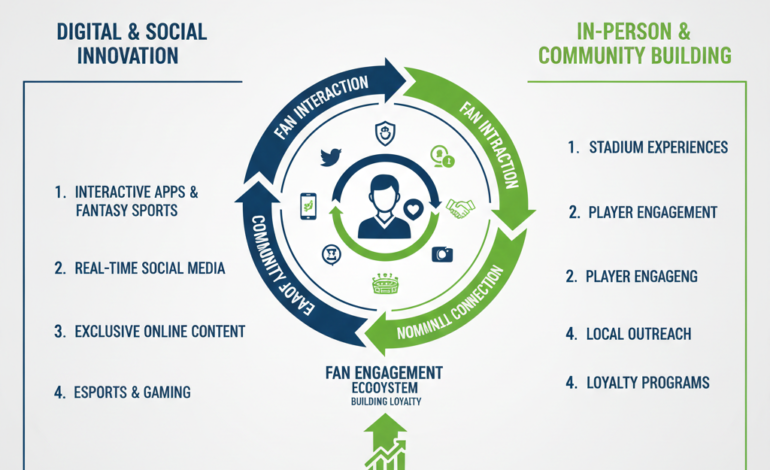
Fan engagement in sports is a crucial element that has transformed the relationship between sports teams and their supporters. It encompasses the myriad of strategies and initiatives that teams employ to foster a deeper connection with their fanbase. Effective fan engagement serves not merely as a marketing tool, but as a vital component in building long-term loyalty, enhancing audience experiences, and consequently increasing both attendance and revenue. As the sports industry continues to evolve, understanding the dynamics of fan engagement becomes ever more critical.
In an era where competition for attention is fierce, sports teams are recognizing that merely providing a product—be it events, merchandise, or content—is insufficient. Instead, they must actively engage their audiences in meaningful ways. Stronger fan engagement strategies facilitate a dialogue between teams and fans, enabling supporters to express their opinions, share experiences, and connect with one another and the team on a deeper level. This heightened sense of community not only keeps fans invested but also turns them into loyal advocates for their teams.
The implications of effective fan engagement extend beyond mere attendance figures; they also have significant revenue impacts. Engaged fans are more likely to purchase tickets, merchandise, and participate in events. Furthermore, their enthusiasm can drive social media interactions and word-of-mouth promotion, leading to an expanded fanbase. Therefore, it is imperative for sports organizations to prioritize these strategies as they navigate the realities of an increasingly complex sports landscape.
Digital Engagement Platforms and Applications
In recent years, sports teams across the United States have increasingly turned to digital engagement platforms to connect with their fan base. With the proliferation of technology, social media platforms have emerged as critical tools for fostering real-time communication. Teams utilize platforms such as Twitter, Facebook, and Instagram to share updates, news, and behind-the-scenes content, thereby creating a community among fans. These interactions enhance fan loyalty and allow for immediate feedback, as fans are encouraged to comment and share their thoughts directly with the teams.
Mobile applications also play a significant role in enhancing the fan experience. Many teams have developed dedicated mobile apps that not only provide news, scores, and schedules but also facilitate ticket purchasing, merchandise sales, and personalized content. These apps often feature engaging elements such as push notifications for game reminders, promotions, and interactive polls, which encourage fans to engage further with their favorite teams. Mobile apps thus serve as a one-stop solution where fans can access all relevant information and stay involved with their teams.
Interactive websites are another vital component of digital engagement strategies. These websites often host exclusive content, from player interviews to livestream events, attracting fans to spend more time online. Some teams create virtual experiences, such as 360-degree stadium tours or gamified fantasy leagues, which immerse fans in unique experiences that traditional media cannot offer. By enhancing their online presence, teams not only amplify their reach but also cultivate deeper relationships with their audiences.
Overall, the integration of digital engagement platforms, encompassing social media, mobile apps, and interactive websites, has proven to be a transformative approach for sports teams. By utilizing these digital tools, teams can foster meaningful connections and enhance the overall fan experience.
Game Day Experiences
In-person engagement on game days is a vital aspect of enhancing the overall experience for sports fans. Teams across the USA have adopted various innovative strategies to create unforgettable game day atmospheres that go beyond just the event on the field. One of the most effective methods involves setting up dedicated fan zones, which serve as vibrant spaces filled with interactive activities, sponsored exhibits, and entertainment options. These zones allow fans to socialize, participate in games, and enjoy food and beverages, fostering a sense of community and excitement before the game kicks off.
Interactive activities within these fan zones can include skills challenges, photo booths, and live entertainment, offering attendees various ways to engage with their favorite teams. For example, some teams host augmented reality experiences that allow fans to immerse themselves in the team’s history or upcoming match scenarios. These interactive components not only entertain but also create lasting memories that fans associate with being part of the event.
Promotional events, such as giveaways and contests, also enhance the game day experience. Teams frequently distribute limited edition merchandise or offer unique experiences like meet-and-greets with players to those attending. These promotions create excitement around the event and incentivize fans to engage more deeply with their team’s brand. Furthermore, the use of technology, such as mobile apps that facilitate engagement during the game, has become increasingly prevalent, allowing fans to participate in live polls, trivia games, or even provide feedback that can be used for real-time decision-making.
By employing these strategies, sports teams can significantly enhance the in-person fan engagement during game days. The combination of fan zones, interactive activities, and promotional events not only enriches the overall atmosphere but also strengthens the emotional connection fans have with their teams, ultimately leading to greater loyalty and support.
Personalization and Targeted Marketing
In the realm of sports, the significance of fan engagement cannot be overstated. One of the most effective ways that teams in the USA are enhancing this engagement is through personalization and targeted marketing strategies. By leveraging data analytics, sports organizations are able to transform how they interact with their fans. This innovation is fundamentally reshaping the marketing landscape in the sports industry.
Data analytics allows teams to gather and analyze vast amounts of information regarding fan behavior and preferences. This data can include demographic information, previous purchasing behavior, or even social media interactions. By harnessing this wealth of information, teams can create tailored marketing campaigns that resonate with individual fans rather than employing a one-size-fits-all approach. For instance, understanding a fan’s specific interests enables teams to send personalized content, such as notifications about ticket sales for their favored team or reminders for upcoming games.
Moreover, personalization extends beyond mere marketing communications. It intricately structures the overall fan experience at games or events. By utilizing customer data, teams can fine-tune aspects such as food and merchandise offerings or even seating arrangements that align with a fan’s preferences. Such customized experiences not only enhance satisfaction but also foster deeper connections between teams and fans.
Furthermore, targeted marketing strategies are proving effective in increasing revenue streams. With the ability to single out particular fan segments, teams can generate focused promotional efforts that appeal to specific groups. For example, a team might focus on engaging younger fans through social media campaigns while recognizing the preferences of older demographics through more traditional advertising mediums. This ensures that marketing resources are effectively allocated, resulting in better engagement and financial returns.
Loyalty Programs and Membership Initiatives
In recent years, sports teams across the United States have increasingly adopted loyalty programs and membership initiatives to enhance fan engagement. These programs are designed not only to reward long-standing supporters but also to cultivate a sense of belonging among fans. By offering exclusive benefits, teams foster deeper connections to the brand and encourage increased attendance at games.
Loyalty programs typically reward fans for their repeated patronage through points systems, discounts, and access to unique experiences. Fans accumulate points based on various activities, such as purchasing tickets, attending games, or engaging with the team’s social media platforms. These points can then be redeemed for merchandise, game-day experiences, or special access to events, thereby incentivizing continuous engagement. The goal of these programs is to activate a loyal fan base that feels appreciated and prioritized.
Membership initiatives, on the other hand, create a tiered system where fans can join specific clubs or groups affiliated with their favorite teams. These memberships often come with added perks such as pre-sale access to tickets, exclusive merchandise, and even invitations to team events or meet-and-greets with players. By investing in membership programs, teams can assure that their most dedicated fans receive unique rewards that enhance their overall experience, resulting in stronger support and increased attendance.
Moreover, loyalty programs and memberships have shown to lead to tangible results for teams, such as increased ticket sales and merchandise purchases. When fans feel valued and recognized, they are more likely to invest further in their team. Therefore, these strategies not only strengthen relationships with supporters but also create substantial revenue streams for sports organizations. In conclusion, the integration of loyalty initiatives fosters an environment where fans feel connected, valued, and motivated to engage more actively with their teams.
Community Engagement and Social Responsibility
In recent years, sports teams across the United States have recognized the importance of engaging with their local communities through innovative outreach programs, charity events, and social responsibility initiatives. These efforts not only serve to strengthen the bond between teams and their supporters but also positively impact the brand image of the teams involved.
Community engagement initiatives often include partnerships with local schools, youth leagues, and social services, where teams actively participate in promoting health, education, and sportsmanship among young people. For instance, several Major League Baseball teams have launched programs that encourage youth participation in baseball and softball, coupled with literacy and educational components aimed at improving academic performance. By investing in local youth, these teams create a legacy of support that extends far beyond the playing field.
Moreover, charity events, such as fundraising galas or auctioning memorabilia, provide an avenue for teams to contribute to various causes. Such philanthropic endeavors resonate well with fans, fostering loyalty and support among the community. They not only enhance the goodwill associated with the team but also align with fans’ values, creating a deeper emotional connection. For example, the National Football League’s Play 60 initiative encourages children to be active for at least 60 minutes a day, promoting a healthy lifestyle while emphasizing the critical role of sports in personal development.
Through these community-focused actions, sports teams in the USA are not merely selling a product; they are nurturing a culture of responsibility and connection. As they prioritize social responsibility, these teams position themselves as integral pillars within their local communities, ultimately leading to enhanced fan loyalty and a fortified brand image. The engagement efforts underscore that sports can be a powerful catalyst for positive change, blending entertainment with impactful social initiatives.
Technology Integration: Augmented Reality and Virtual Experiences
In recent years, sports teams across the USA have begun to embrace advanced technologies to foster enhanced fan engagement. Among these innovations, augmented reality (AR) and virtual reality (VR) have emerged as transformative tools, allowing teams to create immersive experiences that captivate fans both inside and outside the stadium. These technologies are not only revolutionizing how fans interact with their favorite teams but are also setting new standards for engagement in the sports industry.
Augmented reality brings a unique blend of digital and physical environments, allowing fans to experience live events in new ways. For example, teams have developed AR applications that enable supporters to visualize player statistics, historical moments, and interactive content directly through their smartphones during games. This engagement method ensures that fans are not passive spectators but active participants in the narrative of the game. As a result, these AR applications significantly enhance the overall experience, making the in-stadium atmosphere more engaging and enjoyable.
On the other hand, virtual reality offers fans the opportunity to immerse themselves in the game from the comfort of their homes. Through VR headsets, fans can virtually attend live matches, providing them with a front-row seat without the logistical challenges of traveling to a stadium. Additionally, teams have utilized VR technology to create exclusive behind-the-scenes content, allowing fans to experience player training sessions, locker room tours, and pre-game warm-ups in a stunning, interactive format. This ability to deliver content that extends beyond the traditional viewing experience fosters a deeper connection between fans and teams.
As sports teams continue to explore the integration of AR and VR in fan engagement strategies, it is evident that these technologies are not just trends; they represent the future of how fans experience sports. Through innovation and creativity, teams are effectively enhancing fan loyalty and ensuring a more connected community.
Successful Case Studies of Fan Engagement
In the realm of sports, engaging fans has become a fundamental strategy for teams seeking to enhance their connection with supporters and improve overall loyalty. A few notable case studies illustrate innovative approaches adopted by teams across the United States.
One exemplary case is the Golden State Warriors, who have leveraged technology to enhance fan experience dramatically. The team’s mobile app is central to their strategy, providing fans with real-time updates, exclusive content, and interactive features that heighten engagement during games. Their beacon technology notifies fans of special promotions or content as they navigate the arena, providing a personalized experience that enhances attendance and in-game participation.
Another significant example can be seen with the Chicago Cubs, who implemented a comprehensive community engagement strategy known as “Cubs Connect.” This program encourages fans to participate in various community events, fostering a sense of belonging and loyalty to the team. By involving fans in outreach initiatives and service projects, the Cubs have solidified their relationship with the community, significantly increasing fan engagement and attendance at games.
Moreover, the Atlanta Braves stand out for their innovative use of social media to boost fan interaction. Their campaign, named “Braves Social Media Night,” allows fans to engage in live Q&A sessions with players and coaches via various platforms. Such initiatives not only foster direct conversation between fans and team members but have also contributed to increased social media engagement, generating excitement surrounding the brand and its players.
These case studies demonstrate how strategic fan engagement can foster stronger connections between sports teams and their audiences. By employing technology, community involvement, and interactive social media initiatives, these teams have successfully enhanced the overall fan experience, ultimately leading to increased loyalty and support.
The Future of Fan Engagement in Sports
The landscape of fan engagement in sports is evolving rapidly, driven by technological advancements and shifting consumer expectations. As we look to the future, it is evident that sports teams in the USA will need to adapt their strategies to enhance the fan experience. The integration of artificial intelligence and big data analytics is set to revolutionize how teams understand and interact with their audiences, allowing for personalized experiences that cater to individual preferences.
Furthermore, the rise of virtual and augmented reality technologies is poised to enhance fan engagement significantly. Imagine being able to experience a live game from the comfort of one’s home through virtual reality systems that replicate an in-stadium experience or providing augmented reality features that allow fans to interact with the game in real time. Such innovative approaches not only create a more immersive experience but also broaden accessibility for fans who may not be able to attend games physically.
Mobile applications will play a crucial role in future fan engagement strategies. These platforms can facilitate instant interaction and provide real-time updates, rewards, and tailored content based on fan behavior and preferences. Additionally, the integration of social media platforms is likely to deepen connections between teams and fans, as they provide an informal space for interaction and community building.
As sports organizations explore these emerging technologies, it is essential to remember the importance of community and inclusivity. Engaging fans in a meaningful way will require a balanced approach that combines innovative strategies with genuine connection. As expectations for engagement continue to evolve, successful sports teams will prioritize adaptability, creativity, and responsiveness to the needs of their fan base.
In conclusion, the future of fan engagement in sports promises to be marked by innovation and transformation. Teams that harness technological advancements effectively while maintaining a focus on fostering genuine connections will undoubtedly lead the way in redefining the relationship between fans and sports.