




Digital Minimalism: How to Master Your Media Diet

Introduction to Digital Minimalism
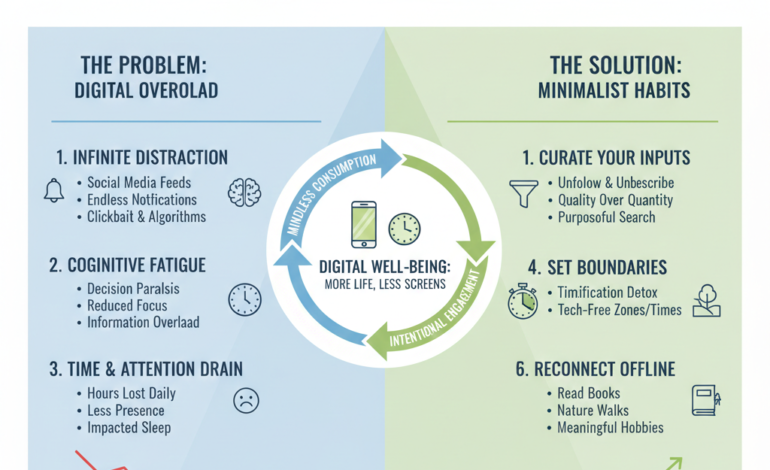
In today’s hyper-connected world, the concept of digital minimalism has emerged as a practical philosophy aimed at navigating our overwhelming media landscape. Digital minimalism encourages individuals to reevaluate their media consumption habits by focusing on what truly matters to them. With the constant influx of information from various digital channels, this approach advocates for intentionality in how we engage with technology and the content we consume.
At its core, digital minimalism embodies the idea that less is often more. By simplifying our digital interactions, we can reclaim our focus and enhance our overall well-being. The principles of digital minimalism include being selective about the platforms and content we engage with, prioritizing quality over quantity, and creating boundaries around technology use. This intentional curation of our digital experiences not only reduces unnecessary distractions but also opens up time for more meaningful pursuits.
The significance of digital minimalism becomes increasingly apparent as we grapple with a multitude of notifications, social media updates, and overwhelming news cycles that can lead to anxiety and decision fatigue. Research has shown that excessive exposure to information can diminish our ability to concentrate and negatively impact our mental health. Adopting a minimalist approach allows us to take back control of our media diets, ultimately fostering a healthier relationship with technology.
As we delve deeper into the principles and practices of digital minimalism, it is essential to understand that this is not merely about reducing screen time, but rather about cultivating a more purposeful and fulfilling digital presence. Embracing digital minimalism can lead to improved focus, enhanced creativity, and an overall sense of contentment amidst the noise of our modern media environment.
Understanding the Media Diet
A media diet refers to the variety and quantity of media consumed by individuals on a daily basis, paralleling the concept of a nutritional diet. Over recent years, the evolution of technology has dramatically increased the variety of media available, including social media platforms, news websites, podcasts, video streaming services, and online entertainment. Each of these media forms has its own unique impact and implications for mental health and well-being.
Social media, for example, is designed to keep users engaged, often leading to prolonged periods of consumption that may skew one’s perception of reality. The constant influx of information and the emphasis on likes and shares can create a stress-laden environment. Moreover, news media can be particularly overwhelming; exposure to negative or sensational news can accumulate, leading to feelings of anxiety and hopelessness.
In contrast, other media forms, such as educational podcasts and documentaries, have the potential to enrich our knowledge and stimulate critical thinking. However, the importance lies in moderation and the conscious choice of what to consume. Just as an imbalanced nutritional diet can affect physical health, an overwhelming media diet can have adverse effects on emotional and cognitive well-being.
By understanding the components of our media diets and their respective impacts, individuals can begin to curate their consumption. This involves assessing not only the types of media they engage with but also the amount of time spent on each. Being selective and intentional about media choices can lead to a healthier media diet, promoting overall wellness instead of mental fatigue.
The Benefits of a Curated Media Diet
In today’s digital age, our minds are constantly bombarded with information. Adopting the principles of digital minimalism, specifically through a curated media diet, offers distinctive advantages that can significantly improve various aspects of our lives. One notable benefit is improved mental clarity. By intentionally choosing what media to consume, individuals can eliminate distractions, thereby allowing their minds to focus better on core tasks and thoughts. This, in turn, leads to heightened awareness and decision-making abilities.
Moreover, a curated media diet contributes to increased productivity. By streamlining the types of media we engage with, we can minimize time spent sifting through irrelevant or unnecessarily complex information. Research indicates that individuals who consciously limit their media intake tend to complete tasks more efficiently. For example, companies such as Basecamp have implemented policies encouraging employees to take control of their digital consumption, resulting in enhanced performance and employee satisfaction.
Furthermore, this mindful approach to media consumption can lead to better emotional health. Consuming a large volume of negative or sensational content often exacerbates feelings of anxiety and stress. By focusing on uplifting, educational, and enjoyable content, individuals can cultivate a more positive emotional landscape. For instance, individuals who replaced their endless social media scrolling with inspiring podcasts or enriching books reported significant improvements in their overall mood and outlook on life.
Lastly, enhanced focus is a key advantage. A curated media diet promotes sustained attention, as individuals are less likely to fall victim to the distractions often caused by overstimulation. Hence, making fewer choices about what to watch or read can lead to deeper engagement with the selected content, allowing for greater comprehension and retention of information.
Assessing Your Current Media Consumption Habits
To effectively practice digital minimalism, it is imperative to first assess your current media consumption habits. This evaluation serves as the foundation upon which you can build a healthier relationship with technology and media. Begin by tracking your media usage over a week. Utilize applications or built-in digital wellbeing features on your devices to record the time spent on various platforms. This can include social media, streaming services, news websites, and more. Gaining insight into how much time is allocated to each type of media will illuminate your consumption patterns.
Once you have a clear understanding of the duration of your media use, the next step involves identifying the specific platforms that command the most of your attention. Are there particular apps that you gravitate towards during specific times of the day? Consider keeping a log that records not only the amount of time spent but also the type of content consumed. This reflective exercise can aid in identifying emotional triggers associated with certain media. For instance, does scrolling through social media leave you feeling energized or drained? Recognizing these emotional responses is crucial, as it informs your decisions regarding which media types to retain and which to minimize.
Additionally, analyze the impact of your media consumption on your daily life. Do you find yourself distracted or less productive after consuming certain types of content? Evaluate how different media make you feel both immediately and over the long term. By consciously reflecting on these aspects, you can begin to pinpoint areas that require adjustment and cultivate a more intentional media diet that aligns with your values and goals.
Strategies for Curating Your Media Diet
As digital minimalism becomes increasingly relevant in today’s information-driven society, curating a thoughtful media diet is essential. This involves intentionally selecting and managing the media that one consumes. The first strategy is to establish clear media consumption boundaries. By setting limits on screen time and designating specific times for media consumption, individuals can take control of their engagement with digital content. This approach promotes mindful interaction rather than passive consumption, allowing for a more deliberate enjoyment of media.
In addition to boundaries, prioritizing quality over quantity is crucial. Instead of inundating oneself with a multitude of sources, individuals should focus on a select few that provide depth, reliability, and enrichment. This may mean opting for literature, insightful documentaries, or reputable news outlets that align with personal interests and values. By engaging with high-quality content, one not only enhances knowledge but also cultivates a deeper appreciation for the media consumed.
Further, selecting media sources that resonate with personal values is vital for a fulfilling media diet. This involves seeking out creators and platforms that reflect individual beliefs and ethical standards. Engaging with media that aligns with one’s values can foster a more meaningful connection, inspiring viewers and readers to think critically about the content they consume.
Lastly, embracing alternative media forms is a beneficial strategy. This can include podcasts, audiobooks, and even art exhibitions, which encourage exploration beyond conventional media. By diversifying media consumption, individuals can cultivate creativity and new perspectives. In sum, implementing these strategies allows for a more refined and satisfying media diet, contributing to overall well-being and digital balance.
Tools and Apps to Support Digital Minimalism
In an age where digital distractions are abundant, utilizing tools and applications can significantly reinforce the principles of digital minimalism. A variety of resources have emerged to cater specifically to individuals seeking to manage their media consumption effectively, enhance their focus, and create a healthier relationship with technology.
Website blockers are among the most beneficial tools for those wishing to reduce distractions. Applications like Freedom and Cold Turkey allow users to block access to certain websites for predefined periods. These tools can enable individuals to focus on priorities without the temptation of social media or entertainment websites that may detract from productivity.
In addition, minimalistic news applications such as Feedly and Pocket can streamline information consumption. These apps encourage users to curate and manage their news feeds, enabling the selection of only the most relevant channels and articles. This method not only minimizes mental clutter but also fosters a more intentional approach to news consumption, ensuring that users are informed without feeling overwhelmed.
Productivity applications like Trello and Notion further enhance digital minimalism by offering intuitive interfaces for task management and project organization. By keeping digital spaces organized and delineated, individuals can maintain focus on their personal and professional objectives. The integration of these tools ensures an efficient approach to media consumption, as they encourage setting time limits and prioritizing tasks.
Ultimately, the adoption of these modern applications and tools serves to not only decrease digital clutter but also promote a sustainable media diet. With a focus on moderation and intention, users can cultivate healthier habits that contribute to their overall well-being and productivity.
Creating a Sustainable Media Routine
In an age dominated by incessant notifications and an overwhelming array of media options, cultivating a sustainable media routine is pivotal for individuals aiming to adopt digital minimalism. This approach does not merely involve restricting access to digital content but rather entails a thoughtful curation of one’s media consumption that aligns with personal values and enhances overall well-being.
To begin crafting a sustainable media routine, one must undertake an assessment of current media consumption patterns. Identify the types of media that genuinely enrich your life—be it news, podcasts, films, or social media—and those that may detract from your time or mental space. A reflective practice, such as journaling or self-analysis, can facilitate a deeper understanding of how media impacts daily life and emotional health.
Setting specific limits on media consumption is fundamental to maintaining balance. Allocating designated times for media engagement—perhaps by reserving an hour in the evening for reading or a weekend afternoon for watching films—can help in structuring media intake. Additionally, consider employing techniques like the Pomodoro Technique to limit time spent on digital devices, alternating periods of media consumption with off-screen activities. This method not only alleviates the risk of media overindulgence but also promotes a healthy interlude of productivity or leisure outside the screen.
Moreover, integrating off-screen activities into your routine is essential for a fulfilling lifestyle. Engaging in hobbies, outdoor activities, or social interactions can significantly complement media engagement. Aim for a balanced schedule where off-screen time sits alongside media enjoyment, fostering meaningful connections and personal growth. By adhering to this sustainable media routine, individuals can better navigate the digital landscape while championing a lifestyle that prioritizes mental clarity and satisfaction.
Overcoming Challenges and Maintaining Mindfulness
Implementing a media diet presents several challenges that individuals must navigate in an increasingly distracting digital landscape. The constant influx of notifications and the ubiquitous nature of social media can significantly detract from one’s ability to remain focused and mindful. To counter these distractions, it is essential to create intentional boundaries around media consumption, ensuring that engagement is deliberate rather than habitual. This practice fosters greater control over how and when one interacts with media formats.
Another common obstacle is the phenomenon known as FOMO, or the fear of missing out. This emotional response can lead to excessive media consumption, driven by a compulsion to stay informed about social interactions and trends. To manage FOMO, it is crucial to redefine personal motivations for media engagement. Reminding oneself of the core reasons for limiting media interactions can help mitigate feelings of anxiety associated with not being up-to-date on every development. Additionally, prioritizing quality sources over quantity can enhance the value derived from media consumption.
Individuals also often confront cravings for excessive media use, which can be compared to other forms of addiction. To address this, incorporating mindfulness practices such as meditation or journaling can prove beneficial. These techniques encourage self-reflection, allowing individuals to recognize triggers that lead to mindless consumption. Establishing positive habits, such as designating specific times for media consumption and engaging in alternative activities—like reading or exercising—helps reinforce commitment to a mindful media diet. By embracing these strategies, individuals can not only overcome challenges but also cultivate a more balanced, intentional relationship with digital media.
Conclusion and Next Steps
In reflecting upon the concept of digital minimalism, it is crucial to recognize its potential to profoundly shift the way individuals interact with technology and media. Throughout this blog post, we have explored various strategies that can help streamline your media consumption. These tactics not only promote mental well-being but also encourage a more intentional approach to the digital content we engage with. By embracing a minimalist mindset, individuals can prioritize meaningful interactions over the overwhelming noise of constant notifications and endless scrolling.
To move forward, consider taking actionable steps based on the insights shared in this post. Begin by evaluating your current media usage; identify what truly adds value to your life and what could be eliminated. Setting boundaries around screen time, curating your social media feeds, and embracing offline activities can significantly enhance your quality of life. Moreover, it may be beneficial to establish regular check-ins to reassess your media habits, ensuring they align with your personal goals and values.
For those looking to delve deeper into the principles of digital minimalism, there are numerous resources and communities available. Books such as “Digital Minimalism” by Cal Newport provide extensive insights and actionable guidance on mastering your media diet. Additionally, online communities dedicated to minimalism can offer support and motivation as you embark on this journey. Engaging with like-minded individuals can further solidify your commitment to a more mindful approach to digital engagement.
Ultimately, the path to digital minimalism is a personal one, and every individual’s journey will look different. By taking the first step today, you are well on your way to fostering a more intentional relationship with technology and enhancing the overall quality of your life.