


Clothing in Ancient Egypt, Greece, and Rome
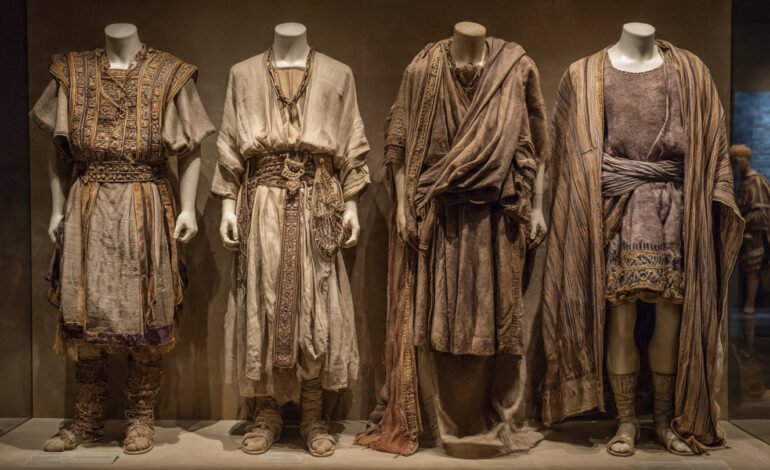

Long before the invention of the sewing machine or synthetic fabrics, early societies used garments as powerful tools for expression. The garments worn by people thousands of years ago were never just about staying warm or covering the body. They were profound indicators of a person’s life, reflecting everything from their local climate to their specific rank within a complex social hierarchy. Understanding the history of human clothing evolution requires looking closely at the societies that laid the groundwork for modern attire.
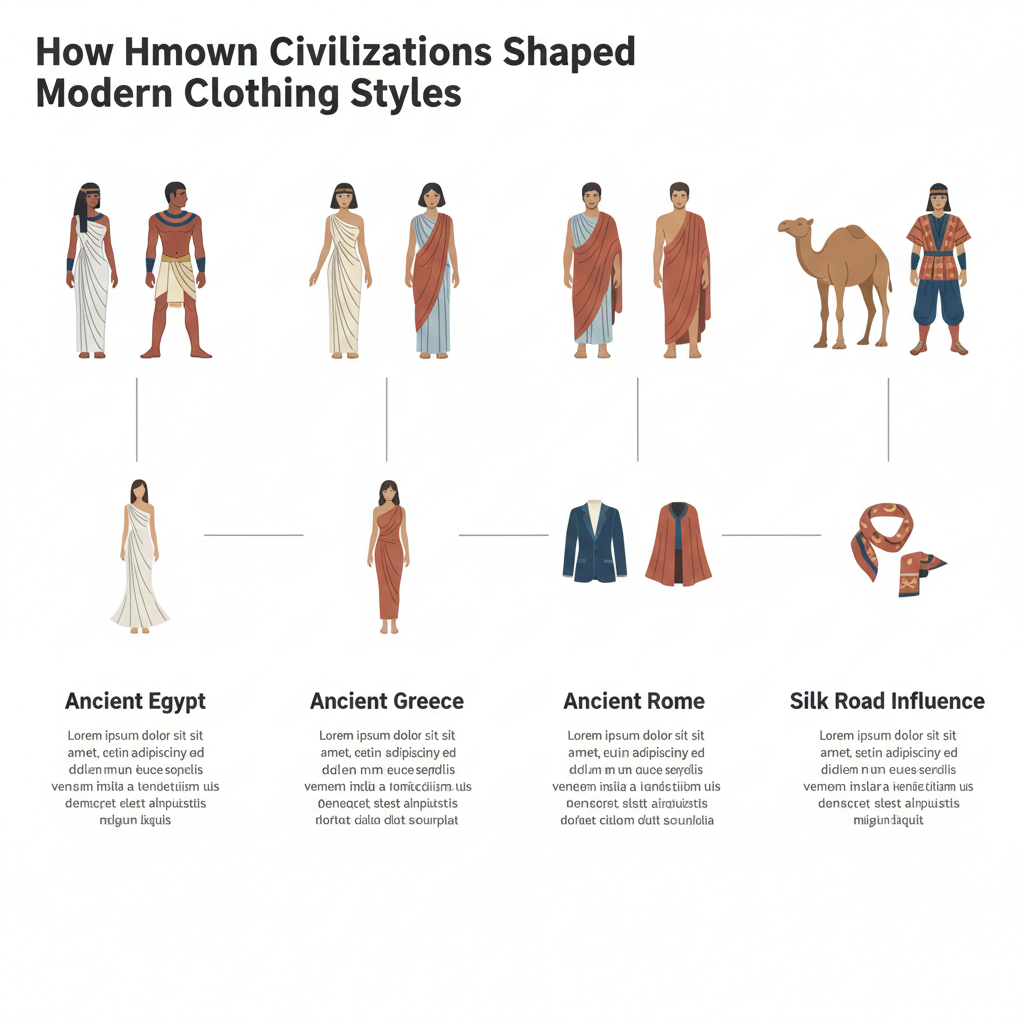
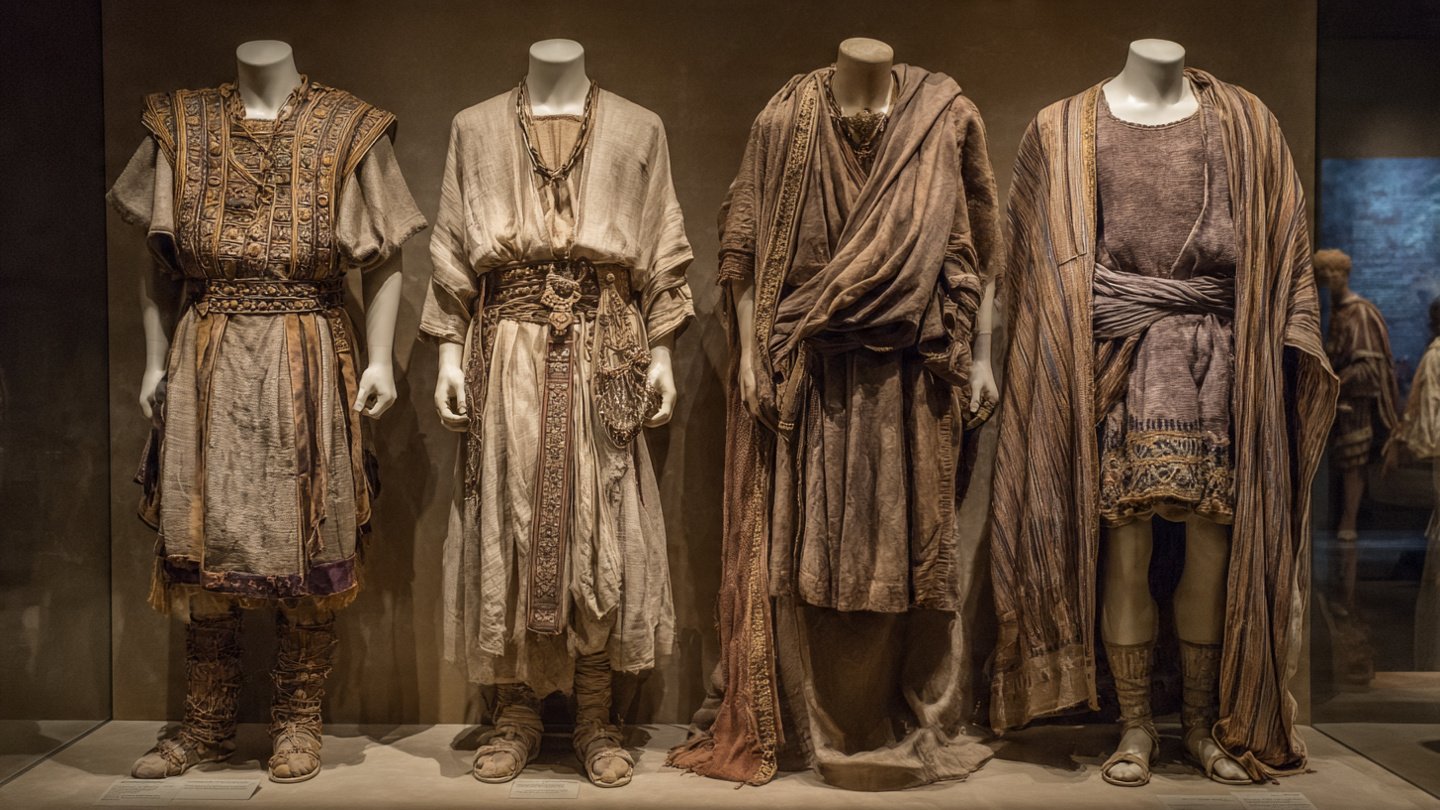
Ancient Egypt, Greece, and Rome played a major role in transforming simple body coverings into structured cultural expression. Each of these legendary empires utilized the resources available to them to craft garments that solved practical problems while simultaneously communicating power, wealth, and identity. Through careful study of historical texts, surviving textiles, and artistic depictions, historians have pieced together a vivid picture of how ancient civilizations developed unique clothing styles that still resonate today.
By examining the specific fabrics, draping techniques, and social rules of these three distinct cultures, we can gain a deeper appreciation for the origins of personal style. The technological innovations of these eras, from the cultivation of flax in the Nile River Valley to the production of vibrant purple dyes in the Mediterranean, set the stage for a global textile industry. These early fashion systems demonstrate that the human desire to adorn oneself is a fundamental part of our shared history.
Clothing in Ancient Egypt
The civilization that thrived along the banks of the Nile River developed a highly distinct approach to personal attire. Because the region experiences intense heat and abundant sunshine year-round, the people needed garments that provided protection from the elements without causing them to overheat.
Linen Fabrics and Lightweight Garments
Egyptian clothing relied heavily on linen due to the hot desert climate. The Nile River provided the perfect environment for growing flax, the plant used to produce linen. Harvesting flax, spinning the fibers into thread, and weaving them into cloth was a labor-intensive process, yet it yielded a fabric that was remarkably breathable and lightweight. This early mastery of agriculture and weaving represents a significant milestone in the earliest textile creation in human history.
Most everyday garments were exceptionally simple in their construction. Men typically wore a wrap-around skirt known as a schenti, which was tied at the waist. Women frequently wore a simple, close-fitting sheath dress called a kalasiris. These garments were usually left in their natural, undyed shade of off-white, as linen was difficult to dye using the techniques available at the time. This reliance on plant-based, breathable fabrics perfectly illustrates the balance of climate vs culture in early clothing.
Clothing and Social Status in Egyptian Society
While the basic materials remained consistent across different classes, clothing was highly indicative of a person’s social standing. Garments were simple yet elegant, often symbolizing wealth and rank through the quality of the fabric and the addition of elaborate accessories. The wealthiest Egyptians wore linen so finely woven that it was nearly transparent, a textile often referred to as “woven air.”
Pharaohs and high-ranking officials adorned themselves with extensive jewelry, including broad collars made of gold, lapis lazuli, and carnelian. They also wore heavily pleated garments, a style that required significant time and labor to maintain, thus serving as a visual display of luxury. Wigs and elaborate headdresses further separated the elite from the common laborers, who worked the fields in minimal clothing out of sheer necessity.
Clothing in Ancient Greece
Across the Mediterranean Sea, the ancient Greeks approached dress with a completely different philosophy. Their garments were characterized by an appreciation for the natural human form, relying on the clever arrangement of fabric rather than complex cutting and sewing.
Draped Garments and Natural Silhouettes
Greek clothing emphasized draping and simplicity, with garments like chitons and himations shaping early fashion silhouettes. The chiton was a basic tunic made by folding a large rectangular piece of fabric—usually wool or linen—around the body and fastening it at the shoulders with pins called fibulae. The himation was a larger cloak draped over the chiton, providing warmth and serving as an outer layer for both men and women.
Instead of tailoring clothes to fit the exact measurements of the wearer, the Greeks used belts, pins, and careful folding to create shape. If you want to understand what is a clothing silhouette, the Greek method of gathering fabric at the waist to create graceful folds is a perfect historical example. The way the fabric fell across the body was considered an art form, deeply connected to their sculptural and architectural ideals.
Cultural Influence on Greek Clothing Design
The philosophical and artistic values of Greek society directly influenced their approach to dress. They valued harmony, proportion, and physical fitness. This mindset is evident when looking at how proportion and balance shape clothing silhouettes in ancient Greek art. Statues from the period show garments clinging naturally to the body, accentuating the wearer’s physique rather than hiding it behind stiff or unnatural shapes.
Different city-states also had their own variations of these basic garments. For example, the Doric peplos was a heavier, more structured garment, while the Ionic chiton was made of lighter, finer material that allowed for more intricate draping. These subtle differences in fabric and folding techniques allowed the Greeks to express regional identity and personal taste while adhering to a shared cultural aesthetic.
Clothing in Ancient Rome
As the Roman Empire expanded its reach, it absorbed the cultural practices of the lands it conquered, including Greece. However, the Romans adapted these ideas to suit their own highly organized and stratified society. Roman clothing became more structured and hierarchical, reflecting political and social systems.
Roman Togas and Tunics
The basic garment for all Romans, regardless of gender or class, was the tunica. Similar to the Greek chiton, the tunica was a simple woolen shirt consisting of two pieces of fabric sewn together at the sides and shoulders. However, the most famous Roman garment was undoubtedly the toga. The toga was a massive, semi-circular piece of heavy wool that required a specific, complicated method of draping.
Unlike the practical garments of earlier periods, the toga was heavy, restrictive, and difficult to wear. It represented a major shift in the transition from tribal dress to structured fashion. Wearing a toga effectively immobilized the left arm, meaning the wearer could not engage in manual labor. Therefore, the garment itself was a physical manifestation of a person’s civilized status and freedom from physical toil.
Clothing as a Symbol of Citizenship and Rank
In Rome, the law dictated exactly what a person could wear based on their societal position. Looking at functional vs symbolic clothing in early tribes, garments were primarily about survival. In Rome, they were about the law. Only free Roman male citizens were legally permitted to wear the toga. Slaves, foreigners, and exiled individuals were strictly forbidden from donning it.
Furthermore, specific colors and stripes indicated a person’s exact political office. The toga praetexta, featuring a broad purple border, was worn by magistrates and certain priests. The toga picta, dyed completely solid purple and embroidered with gold, was reserved for victorious generals celebrating a triumph and, later, for the Emperor alone. This strict regulation of dress ensured that a person’s exact rank and citizenship status could be identified from a distance.
Influence of Trade and Cultural Exchange
None of these civilizations existed in a vacuum. As empires expanded and established contact with neighboring regions, textiles, dyes, and garment ideas moved between civilizations through trade networks. The Mediterranean Sea acted as a massive highway for merchant vessels carrying luxury goods, raw materials, and new technologies.
You can clearly see how trade routes spread clothing styles by tracking the movement of specific materials. Silk, for example, eventually made its way from ancient China to the Roman Empire along the famous Silk Road. The Romans were fascinated by this incredibly soft and shimmering fabric, and it quickly became highly sought after by the wealthiest patricians. Similarly, the Phoenicians monopolized the production of Tyrian purple dye, harvesting it from sea snails and exporting it at astronomical prices to the elites of Egypt, Greece, and Rome.
How Ancient Civilizations Influenced Modern Fashion
The aesthetic principles established by these early societies did not disappear when their empires fell. The clothing traditions of Egypt, Greece, and Rome continue to influence modern silhouettes, tailoring, and fashion aesthetics. The graceful draping of the Greek chiton periodically resurfaces in high fashion, most notably during the Neoclassical period of the late 18th and early 19th centuries, when women’s dresses mimicked ancient columns with high empire waists and flowing white fabrics.
When you see modern human clothing styles explained by contemporary designers, you will frequently hear references to Roman tailoring or Egyptian pleating. The concept of using clothing as a status symbol, established so firmly by the Romans, remains a core component of the modern luxury fashion industry. As we look toward the future of human clothing in a digital world, where virtual garments are draped on 3D avatars, software developers still use the fundamental principles of fabric physics pioneered by these ancient weavers and dressmakers.
Foundations of Early Fashion Systems
These ancient civilizations established many of the cultural and structural foundations that still shape clothing design today. From the breathable linens of the hot Egyptian desert to the democratically draped wools of Greece and the heavily regulated togas of the Roman elite, the attire of antiquity was rich with meaning and purpose.
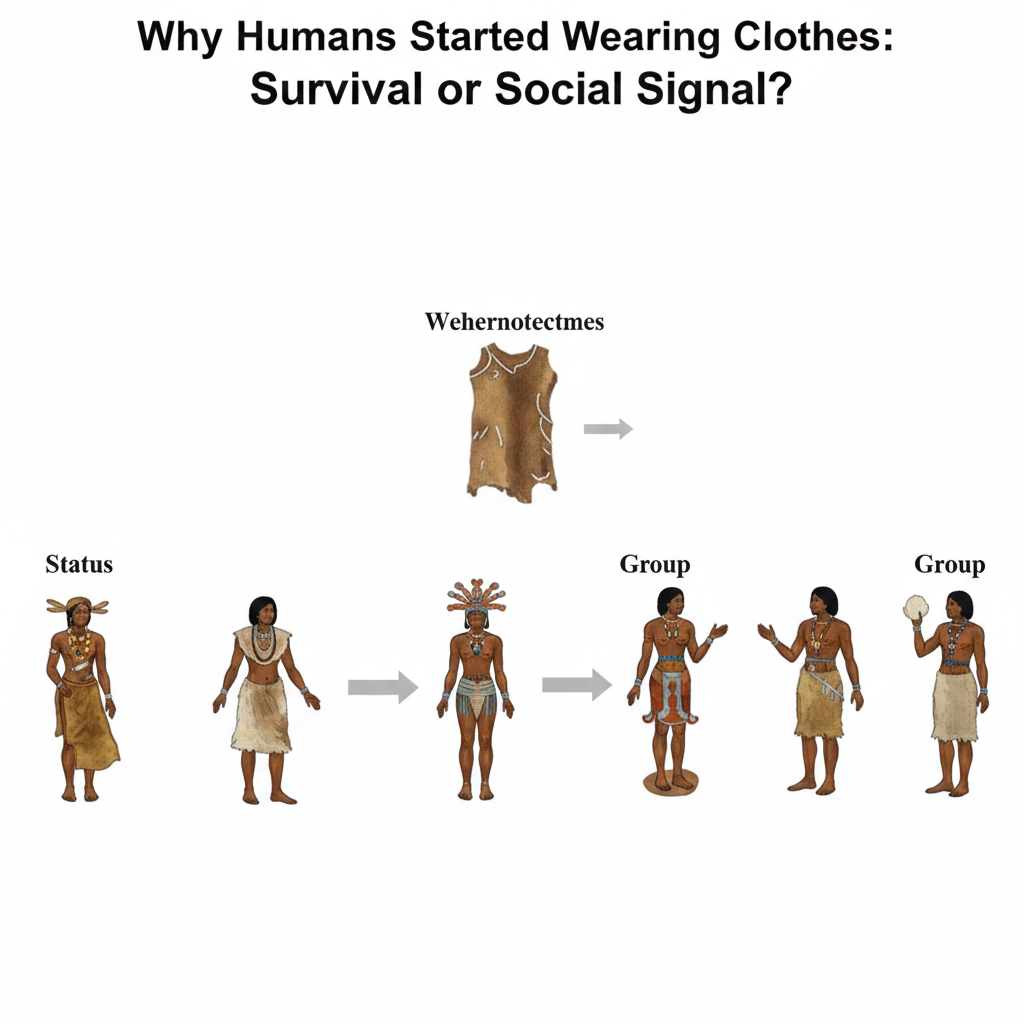
If we ask why humans started wearing clothes, the answer begins with basic survival and protection from the elements. However, by studying the intricate history of clothing evolution through the lens of Egypt, Greece, and Rome, it becomes clear that fashion quickly evolved into something much more significant. These early empires turned the simple act of getting dressed into an enduring language of power, art, and identity.