





Changing Lifestyle Habits of Young Indians Explained
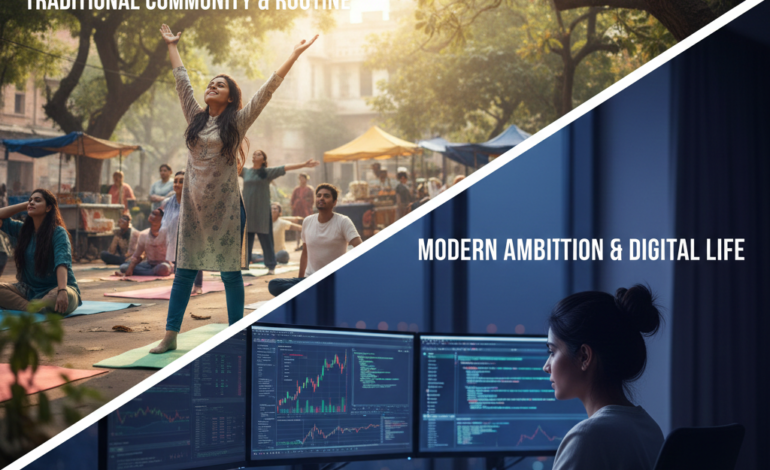

Introduction to the Changing Lifestyle of Young Indians
The contemporary lifestyle of young Indians has undergone significant transformations in recent years, driven by a myriad of factors. As the nation embraces rapid urbanization, globalization, and technological advancements, the daily habits of this demographic are evolving at an unprecedented pace. These shifts are not merely superficial alterations, but rather indicative of deeper social and cultural changes that reflect broader economic trends.
Urbanization, in particular, plays a critical role in redefining the lifestyle of young Indians. As more individuals migrate from rural areas to metropolitan regions in search of better educational and employment opportunities, they are exposed to diverse experiences that reshape their values and priorities. Consequently, young Indians are adopting new lifestyles characterized by increased mobility, a preference for convenience, and a greater emphasis on individualism.
Globalization further influences these lifestyle changes by facilitating the exchange of ideas, goods, and services across borders. The infusion of international cultures, particularly through media and travel, has led to a blending of lifestyles, prompting young Indians to embrace global trends while retaining their unique cultural identity. This duality is evident in areas such as fashion, cuisine, and entertainment, where traditional elements intertwine with contemporary influences.
The impact of technology cannot be overstated. The proliferation of smartphones and the internet has altered the way young Indians communicate, socialize, and consume information. Social media platforms have become crucial in shaping identities and establishing new norms, allowing this demographic to engage with global communities. As digital connectivity thrives, more young Indians prioritize virtual interactions and digital content, leading to a reconfiguration of their social habits and leisure activities.
Overall, the changing lifestyle of young Indians signifies a complex interplay of various factors. Understanding these dynamics is essential for comprehending the broader societal shifts occurring within India as it navigates the challenges and opportunities presented by modernization.
Impact of Technology on Lifestyle Choices
The influence of technology on the lifestyle choices of young Indians is profound and multifaceted. With the advent of smartphones and widespread internet access, young individuals are increasingly turning to digital platforms for information and community engagement. This change has substantially reshaped how they approach fitness, dietary habits, and social interactions.
Access to information has never been easier, as countless apps and websites offer personalized fitness regimes and nutrition advice at the fingertips of users. Fitness applications enable young individuals to set and track their health goals, while websites dedicated to healthy eating provide comprehensive recipes and meal plans. With tailored content that aligns with personal objectives, young Indians have continuously adapted their lifestyle choices, shifting towards healthier eating and more active living.
Moreover, social media plays a critical role in lifestyle preferences. Platforms like Instagram and Facebook have cultivated a culture centered around health and wellness, where users amplify their fitness journeys. This visibility has fostered accountability among peers, motivating young people to engage more actively in physical activities and adopt wholesome dietary practices. Online communities, such as fitness forums and nutritional groups, further encourage discussions about the latest health trends, rendering the process of habit formation more engaging and interactive.
Digital services have also revolutionized how young Indians manage their time and resources. Online food delivery services provide convenient access to healthy meal options, making dietary improvements more achievable for busy individuals. As technology continues to evolve, its integration into the daily lives of young Indians is expected to intensify, thereby further influencing their lifestyle decisions.
Shift Towards Health and Wellness
The trend of prioritizing health and wellness among young Indians has seen a significant rise in recent years. As the nation progresses into a more modern era, the awareness regarding physical fitness and mental health has become more pronounced. With the pressures of urban living and fast-paced lifestyles, young adults are increasingly recognizing the importance of maintaining a healthy lifestyle.
One of the major changes is the growing focus on physical fitness. Gyms, yoga centers, and fitness studios are now commonplace, with many young individuals incorporating regular exercise into their daily routines. This shift reflects a broader understanding that physical activity not only improves health but also enhances overall well-being. Group fitness classes, running clubs, and cycling groups have become popular, fostering a sense of community among participants while promoting an active lifestyle.
In addition to physical well-being, mental health has garnered significant attention. The stigma surrounding mental health issues is gradually diminishing, encouraging young Indians to seek help and engage in practices such as meditation and mindfulness. The increasing availability of mental health resources, including online therapy platforms and community support groups, has made it easier for individuals to access the assistance they need. This progressive attitude towards psychological well-being underscores the importance of a holistic approach to health and wellness.
Nutrition is another critical aspect that young Indians are prioritizing. A surge in awareness regarding healthy eating habits has led to a higher demand for organic food, plant-based diets, and nutritional information. Many are opting for home-cooked meals over processed fast foods, reflecting a shift in dietary preferences towards more wholesome choices. This change is driven by a desire to improve not just physical health but also to enhance mental resilience through better nutrition.
Overall, the shift towards health and wellness among young Indians represents a positive change in lifestyle habits. The integration of physical fitness, mental health awareness, and nutritious eating reflects a conscious effort to foster a healthier future, responding effectively to the challenges posed by contemporary life.
Changing Dietary Preferences
In recent years, dietary preferences among young Indians have undergone a significant transformation, characterized by a shift towards healthier and more conscious eating choices. One notable trend is the rise of plant-based diets, which are increasingly being adopted by young individuals seeking to improve their well-being and contribute to environmental sustainability. This movement towards vegetarianism and veganism reflects a growing awareness of health issues related to the consumption of animal products, and data indicates that many young Indians are opting to reduce meat consumption in favor of more plant-based options.
Additionally, the demand for organic foods has surged as young consumers become more informed about the benefits of food free from synthetic pesticides and fertilizers. The growing availability of organic produce in supermarkets and online platforms is facilitating this shift, allowing consumers to make healthier choices with greater ease. This enthusiasm for organic products speaks to a broader trend; young Indians are increasingly prioritizing nutrition knowledge, seeking information about how each food item can impact their health.
Social media platforms also play a pivotal role in shaping these dietary changes. Young Indians are exposed to a plethora of health and wellness influencers promoting plant-based recipes and nutritious meal planning. This modern avenue of information not only encourages experimentation with food but also fosters communities centered around healthy eating and sustainable practices. The exploration of global cuisines and dietary solutions further supports a diversified diet, enabling young individuals to embrace new flavors while adhering to their health-conscious principles.
This collective shift towards more mindful eating habits is reflective of a broader cultural movement in India, where traditional diets are gradually being reinterpreted through modern, health-driven lenses. As the health awareness among young Indians continues to rise, we can expect a sustained emphasis on dietary choices that contribute positively to their overall lifestyle.
Lifestyle and Work Balance
In recent years, young Indians have been at the forefront of redefining the traditional concepts of work and personal life, actively seeking a more harmonious balance between the two. As the landscape of work continues to evolve, many young professionals are gravitating towards flexible schedules and remote work options, moving away from the rigid structures that once dominated the workplace. This shift is not merely a trend; it represents a fundamental change in values and priorities.
The advent of technology has played a pivotal role in this transformation, offering young professionals the ability to work from virtually anywhere. This flexibility allows them to tailor their work environments to their personal preferences, fostering productivity and job satisfaction. Moreover, the integration of work and personal life has led to a more holistic approach to well-being, emphasizing the significance of mental health and personal time.
Furthermore, as young Indians prioritize personal growth and quality time, traditional office hours are increasingly being challenged. Many are opting for non-linear work hours, breaking free from the conventional 9-to-5 model. This trend has prompted organizations to adapt by offering more flexible policies, which not only attracts top talent but also fosters a culture of trust and accountability. Additionally, the emphasis on maintaining a balanced lifestyle encourages young workers to engage in wellness activities, spending time with family and friends, and pursuing hobbies that contribute to their overall happiness.
In summary, the contemporary work-life balance in India reflects a progressive mindset among young professionals. As they navigate their careers while striving for personal fulfillment, the evolution towards flexible working arrangements signifies a significant cultural shift. By prioritizing both work commitments and personal time, young Indians are cultivating a lifestyle that promotes overall well-being and productivity.
Challenges Faced by Young Indians in Lifestyle Changes
The journey towards altering lifestyle habits for young Indians is often fraught with numerous challenges. One of the primary barriers is societal pressure, which can significantly influence their choices and behaviors. Many young individuals face expectations from family, peers, and broader community norms that may prioritize traditional values over modern health practices. This pressure often manifests in resistance to adopting progressive habits such as veganism, mindfulness practices, or even basic workout routines, leading to a reluctance to embrace change.
Access to resources also poses a significant challenge in the quest for improved lifestyle habits. In urban settings, while there may be a plethora of health clubs, wellness centers, and organic food shops, rural areas often lack such facilities. Limited access to quality healthcare, education on nutrition, and fitness resources creates an environment where adopting healthier habits becomes increasingly difficult. This disparity in availability can dissuade young Indians from making and maintaining lifestyle alterations.
Furthermore, economic factors play a crucial role in determining the feasibility of lifestyle changes. The rising cost of healthy food options, gym memberships, and wellness services can be quite prohibitive, particularly for individuals from lower-income backgrounds. In a society where economic stability is not guaranteed, prioritizing health and wellness can often take a backseat to more immediate financial concerns. Young Indians may find themselves in a position where they are compelled to choose between basic survival and investing in their health, making lifestyle changes an ongoing struggle.
In light of these challenges, it is essential to consider collaborative efforts from governments, NGOs, and community groups to facilitate a supportive environment enabling young Indians to adopt healthier lifestyle choices.
The Role of Education and Awareness Campaigns
In recent years, educational initiatives and awareness campaigns have emerged as vital tools in promoting healthier lifestyle choices among young Indians. These initiatives aim to inform and motivate the youth regarding the significance of adopting a balanced diet, engaging in regular physical activity, and prioritizing mental well-being. By employing various strategies, organizations and governments work collaboratively to bridge the knowledge gap and influence positive behavioral changes.
One significant approach taken by educational institutions is the integration of health education into the school curriculum. By introducing comprehensive health programs at an early age, students gain essential knowledge about nutrition, physical fitness, and overall wellness. These programs not only enhance awareness but also cultivate long-lasting habits that adapt to their lifestyles. Additionally, extracurricular activities involving sports and fitness can further reinforce the importance of active living.
Apart from formal education, various non-governmental organizations and health agencies have launched awareness campaigns targeting the young population. These campaigns utilize multimedia platforms such as social media, television, and print media to reach a broader audience. Their central objectives include debunking myths about nutrition, dispelling misinformation about health trends, and promoting preventive measures against lifestyle-related diseases. Engaging young influencers and advocates in these campaigns can create relatable messaging, making the content more impactful and memorable.
Moreover, government initiatives, such as “Fit India Movement” and other nationwide drives, are crucial in fostering a culture of health and well-being. These programs encourage community participation, where young individuals are not just recipients of knowledge but also active contributors to a healthier society. Through workshops, interactive sessions, and online resources, awareness campaigns are making strides in shaping the attitudes of young Indians towards their lifestyle choices.
Case Studies of Successful Lifestyle Changes
As young Indians grapple with the complexities of modern life, several individuals have made commendable strides in transforming their lifestyle habits, leading to improved health and overall well-being. These case studies illustrate the power of commitment, strategic planning, and community support in effecting positive change.
One notable example is Priya, a 27-year-old software engineer from Bangalore, who faced severe stress and health issues due to her sedentary job. Frustrated by her declining health, Priya decided to incorporate regular physical activity into her routine. She began with simple steps like walking during her lunch breaks and progressively transitioned to participating in a yoga class twice a week. As a result of her commitment and gradual changes, Priya lost 15 kilograms and reported a significant reduction in her anxiety levels. Her journey emphasizes that starting small and gradually building habits can lead to substantial changes.
Another inspiring case is that of Aman, a 24-year-old marketing professional from Delhi. Overwhelmed by unhealthy snacking and fast food habits, Aman recognized the need to reevaluate his dietary choices. He started by tracking his food intake using a mobile app, which helped him identify areas for improvement. Gradually, Aman began cooking simple, nutritious meals at home, replacing unhealthy snacks with fruits and nuts. After six months, he experienced not only weight loss but also improved energy levels, demonstrating the efficacy of mindful eating. This case underscores the importance of self-awareness and practical tools in facilitating lifestyle changes.
Lastly, Neha, a 22-year-old college student in Pune, took a different approach by focusing on mental health. After experiencing burnout, she sought therapy and mindfulness practices, including meditation and journaling. These changes allowed her to develop a more balanced lifestyle, where she learned to prioritize her mental well-being alongside academic achievements. Neha’s story highlights that lifestyle transformation encompasses mental health, proving that holistic approaches are vital.
Conclusion: The Future of Lifestyle Habits Among Young Indians
As we have explored throughout this analysis, the lifestyle habits of young Indians are undergoing significant transformation. Factors such as urbanization, technological advancements, and increased awareness of health and wellness are influencing these changes. Consequently, young individuals are increasingly favoring healthier dietary choices, regular exercise, and mental well-being practices. The growing emphasis on sustainability and environmental consciousness further shapes their decisions regarding lifestyle choices.
Among the notable trends, the rise of plant-based diets and fitness regimes, along with an inclination towards mindfulness and stress management techniques, stand out. As more young Indians adopt these practices, it becomes essential to acknowledge the role that social media and digital platforms play in shaping health perceptions. Online fitness challenges, nutritional information, and wellness communities provide support and motivation for many, fostering a culture of health-oriented living.
Looking ahead, the future of lifestyle habits among this demographic will likely be influenced by a confluence of cultural shifts and technological innovations. Advances in healthcare technology and access to personalized health information may empower individuals to make informed choices about their wellness. Additionally, public health initiatives aimed at promoting healthy living will be instrumental in sustaining these trends.
Ultimately, it is crucial for readers to reflect on their own habits in light of this evolving landscape. Young Indians are poised to lead a paradigm shift toward healthier lifestyles. By consciously evaluating and altering their daily routines, individuals can contribute to a broader movement towards holistic well-being. Embracing change and remaining committed to health and wellness can pave the way for a vibrant future, not just personally, but for society as a whole.