


Protein is often called the building block of life, and for good reason. Every cell in your body uses it, but for those leading an active lifestyle, its importance skyrockets. Whether you are training for a marathon, lifting weights, or simply enjoying daily jogs, protein is the fuel that repairs your muscles and keeps you energized.
Understanding protein isn’t just about knowing it’s good for you; it’s about understanding how it works mechanically. When you exercise, you create microscopic tears in your muscle fibers. Protein provides the amino acids necessary to repair these tears, making the muscles stronger and more resilient than before. Without adequate protein, your body cannot recover effectively, leading to fatigue, slower progress, and potential injury.
This guide is designed for anyone who moves their body with purpose. From elite athletes to weekend warriors, understanding the landscape of high-protein foods available in the USA is the first step toward optimizing your performance. We will explore animal and plant-based options, convenient snacks, and budget-friendly choices to help you fuel your active life.
How Much Protein Do Active People Need?
The “Recommended Dietary Allowance” (RDA) for protein is often cited as 0.8 grams per kilogram of body weight. However, this number represents the bare minimum to prevent deficiency in sedentary people. For active individuals, this baseline is insufficient.
Active bodies demand more. The International Society of Sports Nutrition recommends that active individuals consume between 1.4 to 2.0 grams of protein per kilogram of body weight. For endurance athletes, the lower end of this spectrum is usually sufficient, while strength athletes often require the higher end to support significant muscle hypertrophy.
Timing and Absorption
It is not just about the total daily intake; timing matters. Your body isn’t a storage unit for protein in the same way it stores fat or carbohydrates. To maximize absorption and muscle synthesis, it is effective to spread your protein intake throughout the day. Aiming for 20 to 30 grams of protein per meal ensures a steady supply of amino acids to your muscles, keeping you in an anabolic (muscle-building) state rather than a catabolic (muscle-breaking) one.
Best High-Protein Foods for Active Lifestyles in the USA
Finding the best high-protein foods in the USA is easier than ever, thanks to a robust agricultural system and a market that increasingly values health. The best sources are “whole foods”—foods that are minimally processed and nutrient-dense.
When selecting protein, consider the “package” it comes in. A steak provides protein but also saturated fat. Beans provide protein but also fiber and carbohydrates. Salmon provides protein and heart-healthy omega-3 fats. Lean sources are generally preferred for active people to keep overall calorie intake managed while hitting macro goals, but higher-fat sources have their place in a balanced diet, especially for those with high caloric needs.
Best Animal-Based High-Protein Foods
For many, animal products are the primary source of high-quality protein. They are typically “complete” proteins, meaning they contain all nine essential amino acids your body cannot produce on its own.
Poultry and Lean Meats
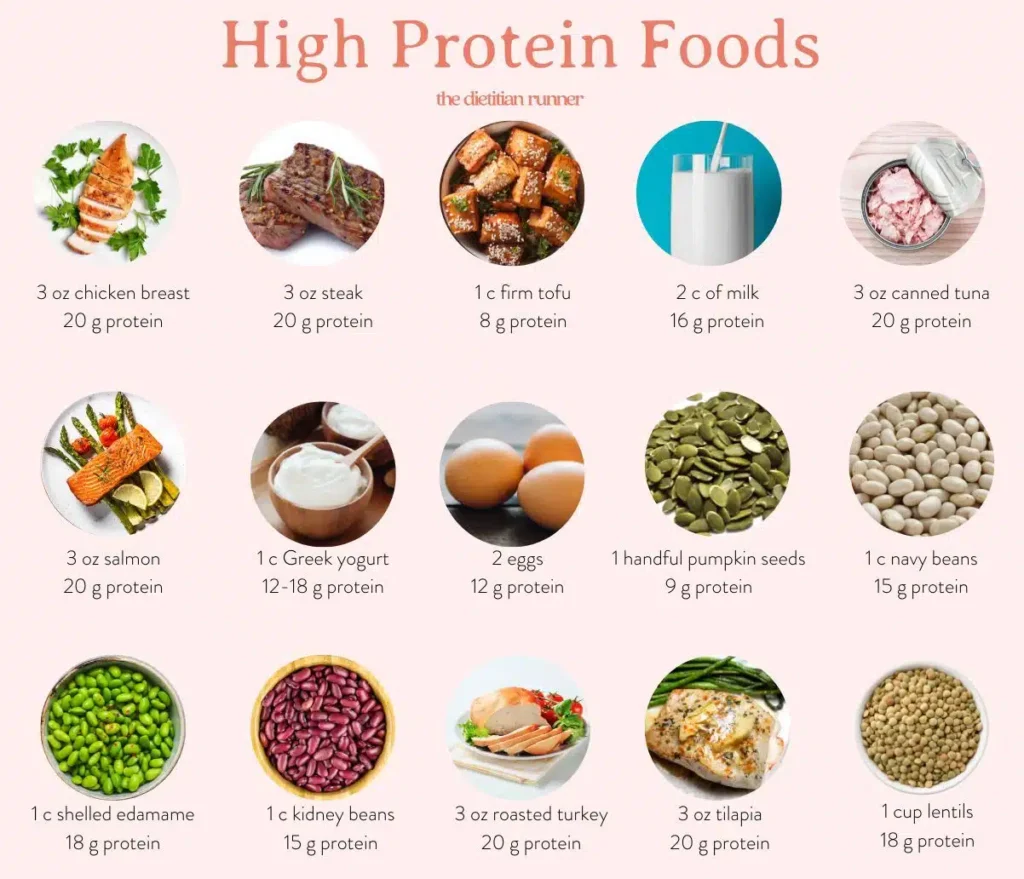
Chicken breast is a staple in the American fitness diet for a reason. It is incredibly lean, versatile, and packed with protein (about 31 grams per cooked breast). Turkey is another excellent option, offering similar nutritional stats. When choosing red meat, look for lean cuts like sirloin, tenderloin, or 93% lean ground beef to get the iron and B12 benefits without excessive saturated fat.
Fish and Seafood
Seafood is a powerhouse category. Tuna, salmon, and shrimp are widely available across the USA. Salmon, specifically, offers a dual benefit: high protein content and essential Omega-3 fatty acids, which help reduce inflammation—a key concern for active bodies. Canned tuna offers convenient, shelf-stable protein that is perfect for quick lunches.
Eggs and Dairy
Eggs are the gold standard for biological value, meaning your body absorbs and utilizes egg protein very efficiently. Don’t fear the yolk; it contains vital nutrients like choline and vitamin D. In the dairy aisle, Greek yogurt and cottage cheese are superstars. Greek yogurt can contain up to 20 grams of protein per serving, while cottage cheese is rich in casein protein, a slow-digesting protein perfect for nighttime recovery.
Best Plant-Based High-Protein Foods
The myth that you cannot build muscle on a plant-based diet has been thoroughly debunked. There are excellent plant-based high-protein foods in the USA that can support even the most rigorous training schedules.
Legumes: Beans and Lentils
Black beans, kidney beans, chickpeas, and lentils are affordable and nutrient-dense. Lentils, in particular, pack a punch with about 18 grams of protein per cooked cup. They also provide a significant amount of fiber, which aids digestion and promotes satiety.
Soy Products: Tofu and Tempeh
Soy is unique among plant proteins because it is a complete protein. Tofu is incredibly versatile, absorbing the flavors of whatever you cook it with. Tempeh, a fermented soy product, offers a nuttier flavor and a firmer texture, along with probiotics for gut health. Edamame (young soybeans) is another great snack option.
Nuts, Seeds, and Grains
While often higher in fats, nuts and seeds contribute significantly to protein intake. Hemp seeds, chia seeds, and pumpkin seeds are easy to sprinkle on oatmeal or salads for a protein boost. Quinoa, technically a seed but prepared like a grain, is another complete plant protein that serves as a fantastic base for grain bowls.
Best High-Protein Foods for Muscle Recovery
What you eat after a workout dictates how well you recover. Protein foods for muscle recovery should ideally be digested relatively quickly to shuttle amino acids to tired muscles.
Post-Workout Nutrition Strategy
The “anabolic window” isn’t as narrow as gym bro-science suggests, but getting protein within two hours of training is smart. Whey protein is popular because it digests rapidly. However, whole foods work too. Egg whites or lean chicken are excellent choices.
Combining Protein with Carbs
Recovery isn’t just about protein; it’s about glycogen replenishment. Pairing your protein with carbohydrates creates an insulin spike that helps drive nutrients into the muscle cells. Chocolate milk is a classic recovery drink for this exact reason—it provides the ideal ratio of carbs to protein for recovery.
High-Protein Snacks for Active People
Hunger often strikes between meals, and having high-protein snacks in the USA ready prevents you from reaching for empty calories.
Portable Options
Jerky (beef, turkey, or even mushroom) is a fantastic low-fat, high-protein option that requires no refrigeration. Hard-boiled eggs are nature’s portable snack. String cheese is another convenient option, offering roughly 7 grams of protein per stick.
Store-Bought Choices
The US market is flooded with protein bars, but label reading is essential. Look for bars with at least 10-15 grams of protein and low added sugar. Greek yogurt cups or single-serve hummus packs with veggies are also widely available at convenience stores and gas stations.
Affordable High-Protein Foods in the USA
Eating for performance doesn’t have to break the bank. There are plenty of affordable high-protein foods in the USA that fit tight budgets.
Budget-Friendly Sources
- Eggs: Even with price fluctuations, eggs remain one of the cheapest sources of high-quality protein.
- Canned Tuna: An inexpensive pantry staple.
- Dried Lentils and Beans: Buying dried rather than canned saves significant money and reduces sodium intake.
- Peanut Butter: While high in calories, it is an exceptionally cheap source of plant-based protein and healthy fats.
- Milk: Standard cow’s milk delivers 8 grams of protein per cup for a very low cost per serving compared to many alternatives.
Smart Shopping Tips
Buying in bulk is the easiest way to lower your cost-per-gram of protein. Look for family packs of chicken breasts or large bags of frozen fish fillets. Warehouse clubs often offer excellent prices on protein powder and bulk nuts.
How to Choose the Best Protein Foods
When deciding how to choose protein foods, consider quality and bioavailability. Animal proteins generally have higher bioavailability (your body uses more of what you eat), but plant proteins offer fiber and phytonutrients.
Balancing Macros and Preferences
If you are tracking macros, you need to consider the “tag-along” nutrients. If you are on a low-carb diet, meats and eggs are preferable to beans. If you are watching your saturated fat intake, plant proteins and fish should be prioritized. Always factor in allergies—dairy, soy, and nuts are common allergens that will dictate your choices.
High-Protein Foods vs Protein Supplements
A common question is whether to rely on protein foods vs supplements.
The “Food First” Approach
Whole foods should always be the foundation of your diet. They provide vitamins, minerals, and dietary fiber that supplements lack. A chicken breast offers B vitamins and selenium; a scoop of powder is just isolated protein.
The Role of Supplements
Supplements are tools for convenience. They are helpful when you are traveling, have limited time, or struggle to hit high protein targets through food alone. They are supplements, not replacements. Avoid the mistake of replacing main meals with shakes; you will miss out on the satiety and nutritional complexity of a real meal.
Frequently Asked Questions (FAQ)
Q1. What are the best high-protein foods for active lifestyles in the USA?
The best foods include lean poultry (chicken, turkey), fatty fish (salmon), eggs, Greek yogurt, and plant-based staples like lentils, tofu, and quinoa. These provide the necessary amino acids for muscle repair.
Q2. How much protein should active adults consume daily?
Most active adults should aim for 1.4 to 2.0 grams of protein per kilogram of body weight. For a 150lb (68kg) person, this translates to roughly 95 to 136 grams of protein per day.
Q3. Are plant-based proteins enough for muscle building?
Yes. While some plant proteins are incomplete, eating a variety of sources (like rice and beans) ensures you get all essential amino acids. Many athletes successfully build muscle on vegetarian or vegan diets.
Q4. What are the best high-protein foods after workouts?
Fast-digesting proteins are ideal. Whey protein, egg whites, or lean white fish paired with a carbohydrate source help jumpstart recovery.
Q5. Are high-protein diets safe for long-term use?
Generally, yes, for healthy individuals with normal kidney function. High protein intake does not damage healthy kidneys, though those with pre-existing kidney conditions should consult a doctor.
Q6. What are affordable high-protein foods in the USA?
Eggs, canned tuna, dried beans, lentils, milk, and cottage cheese are among the most cost-effective protein sources available in US grocery stores.
Q7. Should active people rely on protein supplements?
Supplements are useful for convenience but shouldn’t replace whole foods. Use them to “bridge the gap” when you cannot get enough protein from regular meals.
Final Thoughts: Fueling an Active Lifestyle with Protein
Fueling an active lifestyle is a commitment that goes beyond the gym. It requires smart planning and a willingness to prioritize nutrition. By incorporating a variety of high-quality proteins—whether from a steak, a salmon fillet, or a bowl of lentil soup—you give your body the tools it needs to perform at its peak.
Start by assessing your current intake. Are you getting enough? Are you relying too heavily on processed bars? make small adjustments. Add a serving of Greek yogurt to your breakfast, or swap your afternoon chips for a handful of almonds. These small, sustainable changes accumulate, leading to better recovery, more energy, and a stronger, healthier you.