




The Global Democratic Test: The Fallout of the 2026 Bangladesh Elections

Introduction to the 2026 Bangladesh Elections
The 2026 Bangladesh elections stand as a pivotal moment in the nation’s political history, promising to greatly influence not only domestic governance but also the regional and global democratic landscape. Scheduled for national parliamentary elections, these elections are crucial as they will determine the future direction of a country that has experienced substantial political turbulence in recent years.
This electoral process is characterized by the presence of key political players, notably the ruling Awami League, which has been in power for over a decade, and the opposition, primarily represented by the Bangladesh Nationalist Party (BNP). Recent political dynamics reveal a contentious atmosphere, with allegations of electoral misconduct and political repression sparking debate among both local and international observers. The stakes have been raised as the electorate grapples with issues surrounding governance, economic stability, and human rights, all of which will be put to the test during the elections.
Additionally, the 2026 elections are under scrutiny from global powers concerned about the state of democracy in Bangladesh. As the nation moves toward this decisive event, its political climate reflects broader trends in global politics, where democratic integrity is continually challenged. The outcomes of this electoral season are thus expected to have significant repercussions, extending beyond its borders and impacting international relations, foreign policy, and global perceptions of democratic governance.
In sum, the 2026 Bangladesh elections symbolize a crucial intersection of local politics and international concern, making it imperative to watch how this electoral process will unfold and which implications will arise from it for both the nation and the world at large.
Key Events Leading Up to the Elections
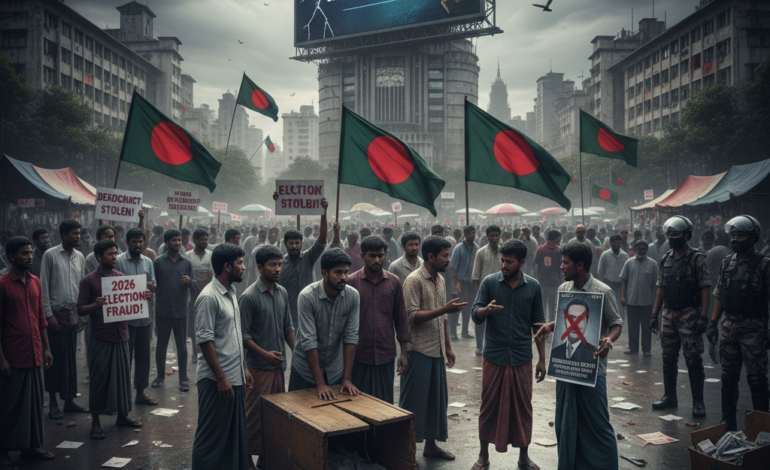
The political landscape of Bangladesh witnessed significant turbulence leading up to the 2026 elections. A series of events, characterized by political unrest and shifting leadership, played a pivotal role in shaping voter sentiment and influencing democratic processes. The growing tensions were marked by widespread protests and strikes, primarily driven by discontent over alleged corruption and electoral manipulation. As opposition parties rallied to demand accountability and transparency, the ruling party faced increasing scrutiny, exacerbating an already fraught political environment.
Moreover, changes in leadership brought forth new dynamics within the political arena. The resignation of key figures from the ruling party created a power vacuum and raised questions about the continuity of governance. This shift prompted an outcry from constituents who felt disenfranchised and undermined by the absence of democratic debate and engagement. Furthermore, policy shifts, such as amendments to electoral laws, were introduced, aimed ostensibly at improving electoral integrity. However, critics argued that such reforms were insufficient and primarily benefitted the incumbents, igniting further discord among the electorate.
Amidst this backdrop, voter sentiment began to pivot dramatically. Surveys indicated a growing disillusionment with the electoral process, as citizens expressed skepticism over their ability to effect change within the current system. Participation in civil society movements rose, with many citizens advocating for free and fair elections, thus highlighting a deepening concern regarding the health of democracy in Bangladesh. As the countdown to the elections continued, these intertwined events not only set the stage for a tumultuous electoral season but also underscored the strains within the country’s democratic processes. The unfolding political drama revealed the fragile nature of governance in Bangladesh and the challenges that lay ahead for its democratic framework.
Election Day: Voting Process and Observations
On the day of the elections, the voting process in Bangladesh unfolded under heightened scrutiny, marked by the presence of both local and international election monitors. These observers played a crucial role in ensuring the transparency and fairness of the democratic process. Polling stations across the country opened early in the morning, with voters lining up to cast their ballots for various positions, significantly contributing to a sense of civic duty amongst the populace.
Voter turnout was reported to be substantial, reflecting the electorate’s engagement with the electoral process amidst a backdrop of heated political competition. Reports indicated that many polling stations experienced long queues, evidencing a robust interest in the individual candidate profiles and party platforms. However, the higher-than-expected turnout was not without its challenges.
Irregularities were also reported during the election day, sparking conversations about the integrity of the process. Instances of voter intimidation, delays in the distribution of ballot papers, and technical malfunctions with voting machines raised concerns among observers and voters alike. While these issues were addressed at some polling centers, their prevalence potentially cast a shadow on the overall democratic experience.
Additionally, the experiences of voters varied significantly based on geographical location, with urban areas generally reporting smoother operations than rural regions. Some voters expressed frustration over a lack of clear information regarding the voting process, which inhibited their ability to participate effectively. Despite these issues, many citizens remained hopeful about the outcome, driven by a collective desire for a peaceful and representative electoral process.
In summary, the election day in Bangladesh showcased a vibrant exercise of democracy, though tempered by various operational challenges. The juxtaposition of high voter turnout with reported irregularities underscored the complex dynamics that characterize electoral practices in the country.
Results and Immediate Reactions
The recent elections held in Bangladesh in 2026 have resulted in significant developments that have captured the attention of both domestic and international stakeholders. The ruling party, the Awami League, emerged victorious, securing a notable majority in the parliament. This outcome was largely anticipated by analysts, given the party’s longstanding influence in Bangladeshi politics. However, the actual margin of victory and the performance of opposition parties revealed some unexpected dynamics that will shape future political discourse.
In particular, the newly established coalition of opposition parties, known as the National Unity Front, managed to gain a considerable share of the vote, reflecting a shift in voter sentiment and suggesting a rising challenge to the incumbent government. The unexpected gains by the opposition have prompted discussions about the potential fragmentation of the traditional political landscape in Bangladesh, indicating a possible shift towards more competitive electoral contests in the future.
Reactions to the election results have varied significantly among different stakeholders. Political leaders, including the Prime Minister, presented the outcome as a reaffirmation of public support for their governance, emphasizing the democratic process and stable governance as a priority for Bangladesh. Conversely, opposition leaders expressed concerns regarding electoral integrity, alleging irregularities and calling for investigations into reported incidents of voter suppression and violence during the polling period.
Public sentiment appears divided, with pervasive demonstrations taking place across various cities, as citizens either celebrated the incumbent’s performance or protested alleged electoral unfairness. International observers, including representatives from the United Nations and various NGOs, have called for a thorough review of the electoral process to ensure transparency and accountability. These immediate reactions reveal underlying tensions in Bangladesh’s democracy and highlight the need for ongoing dialogue to address the concerns of all stakeholders involved in the democratic process.
The Aftermath: Political Landscape Shifts
The 2026 Bangladesh elections have ushered in considerable shifts within the political landscape of the country, reflecting the dynamic and often tumultuous nature of its democratic processes. Following the elections, the initial analysis indicates a potential reconfiguration of power dynamics, as various political factions examine their standing in relation to the outcomes.
With the official results still being digested by many, the formation of coalitions is a prominent theme in the current atmosphere. In light of the fragmented voter support witnessed, even traditional strongholds may need to reconsider alliances to secure effective governance. This shift not only highlights the growing importance of strategic partnerships among parties but also signals an evolving relationship with the electorate. As citizens increasingly demand accountability and representation, political leaders are faced with the critical task of navigating these changes while upholding their promises.
The rise of opposition parties cannot be overlooked in this context, as disenfranchised voters express their expectations for a more transparent and responsive government. The new political landscape provides an opportunity for these opposition groups to gain influence, particularly in regions where the ruling party has historically dominated. This shift presents both challenges and opportunities for governance in Bangladesh, as the ruling parties must contend with heightened scrutiny and the need to address pressing societal issues.
Furthermore, the expectations of citizens in this post-election period are distinct. There is a palpable desire for more participatory governance, transparent decision-making, and policies that reflect the needs of the populace. As the political landscape stabilizes, it will be crucial for all parties to engage meaningfully with constituents to foster a sense of trust and collaboration, thereby paving the way for a more resilient democratic framework.
International Response and Implications for Global Democracy
The 2026 Bangladesh elections have catalyzed a significant response from various sectors of the international community, illustrating the complexities of global democracy and electoral integrity. Notably, statements from foreign governments have varied widely, reflecting different political agendas and relationships with Bangladesh. Some nations issued calls for transparency and accountability in the electoral process, expressing concern over allegations of vote manipulation and suppression of dissenting voices. Others, however, refrained from criticism, opting instead to maintain strategic partnerships or economic ties.
Non-governmental organizations (NGOs) and civil society groups have also played a pivotal role in shaping the international narrative surrounding these elections. Reports from organizations such as Human Rights Watch and Amnesty International have illuminated the issues of voter intimidation and media censorship, emphasizing the need for robust democratic practices. Their findings are crucial, as they guide policymakers and international observers in assessing Bangladesh’s adherence to democratic norms, further influencing government responses worldwide.
International organizations, including the United Nations and the Commonwealth, have expressed their interest in the developments within Bangladesh, emphasizing the importance of free and fair elections in maintaining global democratic standards. Through various statements and resolutions, they have highlighted the implications of the elections for regional stability and democratic values. This collective response is instrumental in fostering a global discussion about the state of democracy, encouraging countries facing similar electoral challenges to prioritize integrity and voter rights.
The architecture of international relations is thus impacted heavily, as the reactions to the Bangladesh elections may serve as a precedent for countries preparing for upcoming elections. The global focus on democracy reinforces the need for electoral systems that uphold fairness, thereby influencing future governance and the credibility of democratic institutions worldwide.
Case Studies: Comparisons with Other Democracies
The 2026 Bangladesh elections serve as a revealing pivotal point for analyzing the dynamics of democracy in various global contexts. By comparing these elections with those of other nations, particularly those that have faced similar challenges or have excelled in democratic practices, we can extract valuable insights regarding electoral integrity, citizen engagement, and governance reforms.
For instance, the electoral experiences of countries such as the Philippines and Brazil illustrate how populism can both invigorate and undermine democratic institutions. The 2022 Philippine elections were marked by a significant voter turnout and a revitalized public interest in political participation, driven largely by grassroots movements demanding electoral change. Conversely, allegations of electoral fraud and political patronage in Brazil’s 2022 elections starkly delineate the perils faced by democracies grappling with entrenched corruption. Observers noted that, despite improvements in electoral access, the Brazilian electorate often felt disenfranchised, revealing the complexities facing modern democracies.
Moreover, the successful transition of South Africa post-apartheid highlights the positive role effective electoral reforms can play in enhancing democratic stability. The 2024 national elections featured new measures designed to increase transparency and encourage participation among underrepresented demographics. This proactive approach in South Africa starkly contrasts with the turmoil observed in Bangladesh, emphasizing the need for reforms that not only facilitate voting but also build trust in the electoral process.
Additionally, the case of Tunisia, which emerged from the Arab Spring, shows the potential for citizen-led reform in cultivating a functional democracy. Tunisia’s electoral processes have evolved to prioritize citizen involvement and civil society engagement, fostering a climate of accountability that many aspire to replicate.
Through these comparisons, it becomes evident that while the 2026 Bangladesh elections reflect significant challenges, they are part of a broader spectrum in which nations navigate their unique paths toward or away from democratic ideals. Each case contributes to a richer understanding of how electoral reform can encourage citizen participation and rejuvenate democracy worldwide.
Future Prospects for Bangladesh’s Democracy
The outcome of the 2026 elections in Bangladesh carries significant implications for the future of democracy in the country. Continued electoral integrity and governance will be paramount in determining whether Bangladesh can navigate towards a more robust democratic framework. As democratic institutions strengthen, the prospects for open political competition increase, encouraging a culture of accountability and transparency among those in power.
Nonetheless, various obstacles loom threatening the stability and progress of democratic governance in Bangladesh. Chief among these challenges are systemic corruption, entrenched political patronage, and sporadic violence that can emerge during election cycles. These elements may lead to public disillusionment and apathy towards the electoral process if not addressed adequately. To foster resilience in its democratic practices, the engagement of civil society and local communities is crucial. Citizens need to be informed, active, and involved in political discourse to ensure their rights and representations are effectively championed.
International collaboration will also play a vital role in shaping the democratic landscape of Bangladesh. Pressure from foreign governments and international organizations could incentivize local political actors to adhere to democratic norms and improve accountability. Through diplomacy and strategic partnerships, efforts can be made to promote free and fair elections, uphold human rights, and empower citizens to participate actively in the governance process.
Ultimately, the future of democracy in Bangladesh hangs in the balance. The 2026 elections could serve as a turning point, signaling a potential consolidation of democratic norms if various stakeholders, including the government, civil society, and international bodies, are dedicated to fostering an inclusive and participatory political environment. As such, it is essential to monitor how both local and global efforts unfold in the coming years.
Conclusion: The Global Democratic Test
As we reflect on the 2026 Bangladesh elections, it becomes apparent that these events serve not only as a pivotal moment for the nation but also as a significant indicator of the state of democracy on a global scale. The conduct of these elections, including issues of voter security, fairness, and adherence to democratic norms, embodies the complexities of modern governance and the universal quest for democratic ideals.
The electoral process in Bangladesh has inadvertently highlighted the intricate connections between various democratic practices around the world. The response from international observers and the repercussions from key global players affirm that the outcomes of national elections can reverberate beyond borders. It underscores the perception that democracy is a shared global responsibility rather than a singular, isolated endeavor.
The aftermath of the elections in Bangladesh raises essential questions about the efficacy of democratic institutions, the role of civil society, and the need for transparency in electoral processes. Observers noted that the challenges faced during this election cycle were not unique to Bangladesh yet were reflective of wider trends affecting democracies globally. This scenario reaffirms the concept of a ‘Global Democratic Test,’ where the integrity and transparency of elections act as a measure of democratic health.
In sum, the 2026 Bangladesh elections serve as a crucial reminder of the delicate balance between competing interests within democracy. The implications of these elections extend far beyond South Asia, reiterating the necessity for cooperation, vigilance, and accountability within democratic frameworks worldwide. As nations continue to evaluate their political processes, it is crucial to learn from this case, ensuring that the principles of democracy resonate globally, ultimately fostering a more inclusive political landscape.