





The “Urban Reach” Crisis: Federal Agents in Major US Cities


Introduction to the Urban Reach Crisis
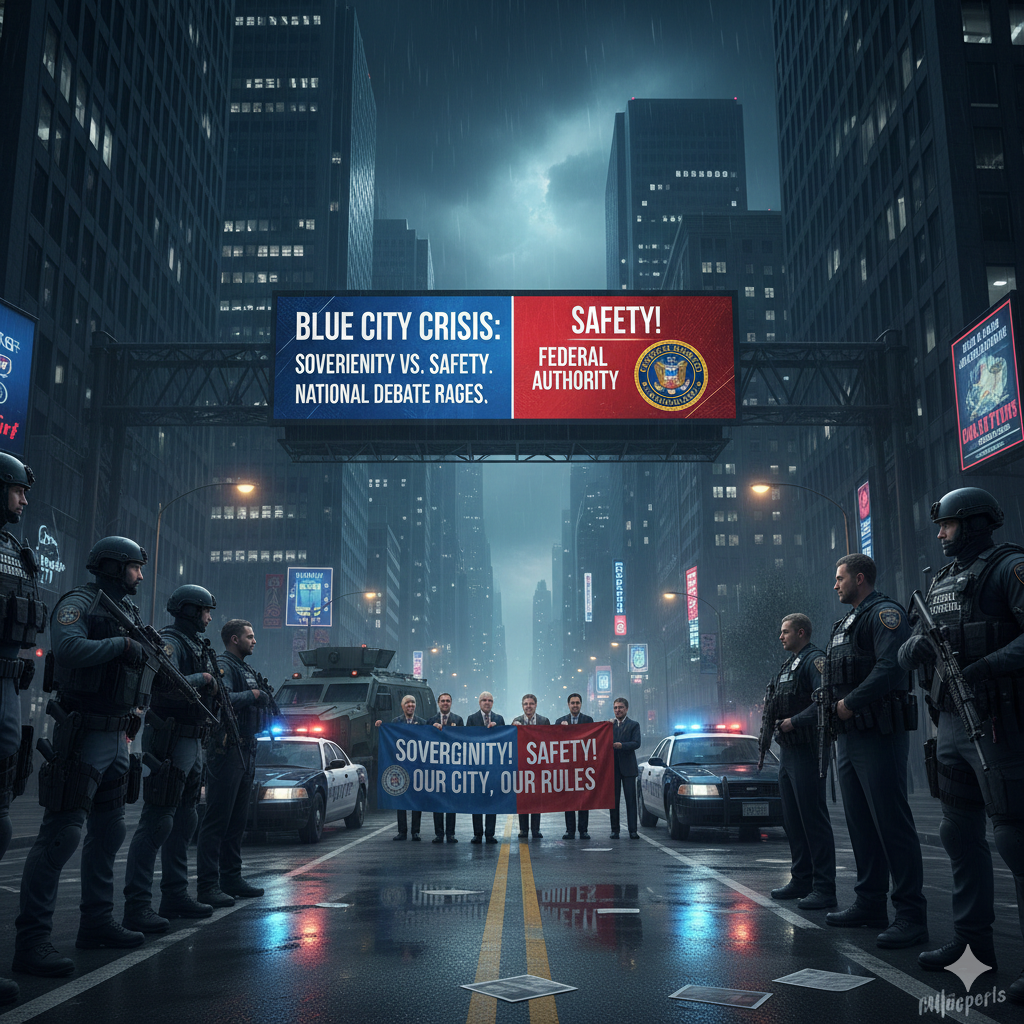
The Urban Reach Crisis represents a significant and pressing issue within the political and social dynamics of contemporary America. It encompasses the deployment of federal agents in various major cities across the United States, a tactic that has sparked varied responses from the public, government officials, and advocacy groups alike. This increasing presence of federal law enforcement in urban areas is intended to address escalating crime rates, civil unrest, and other destabilizing factors that are frequently reported in the news.
This federal intervention aims to restore order in cities grappling with challenges such as violence, protests, and social unrest. However, the implications are multifaceted, affecting local governance, community relations, and the perception of law enforcement as a whole. The decision to mobilize federal agents also raises concerns regarding civil liberties and the potential for exacerbating tensions between communities and law enforcement agencies.
Moreover, the Urban Reach Crisis has become intertwined with the broader political conversation surrounding law enforcement practices and their role in society. As cities face challenges arising from economic disparities, racial inequalities, and public health issues, the federal response can often complicate the relationship between residents and their local authorities. As federal agents move into urban spaces, cities like Portland, Chicago, and New York have become focal points for discussions about governance, civil rights, and the appropriate measures to ensure public safety.
In essence, the Urban Reach Crisis compels a critical examination of the intersection between federal authority and local community needs, highlighting a complex landscape where security measures may impact the very fabric of urban society. Understanding the significance of this crisis is vital as it shapes current and future discussions regarding public safety, community trust in law enforcement, and the role of government in addressing urban issues.
Historical Context: Federal Intervention in Urban Areas
The history of federal intervention in urban areas in the United States is marked by various instances where the federal government deemed action necessary to maintain order, to enforce laws, or to address social issues. One of the earliest notable interventions occurred during the Prohibition era, with the deployment of federal agents to tackle widespread illegal alcohol trafficking. The formation of the Bureau of Prohibition in 1920 aimed to uphold the 18th Amendment, reflecting the federal government’s commitment to enforcing national policies even at the local level.
Subsequent decades saw further federal actions, particularly during the civil rights movements of the 1960s. Federal agents were engaged to enforce desegregation orders and protect civil rights activists in cities that witnessed violent opposition to these changes. This intervention was often portrayed as a necessary measure to ensure the enforcement of constitutional rights, highlighting the federal government’s role in shaping social justice outcomes at the local level.
Another pivotal moment came during the late 20th century, particularly in the 1980s and 1990s when federal authorities were called upon to address escalating crime rates in urban centers. Initiatives such as the federally funded Operation Weed and Seed were launched to combat drug-related violence and promote crime prevention in targeted neighborhoods. These programs often underscored a dual approach involving law enforcement and community development, aiming for a more holistic strategy to uplift troubled urban areas.
The long-term impacts of these interventions are multifaceted. While some argue that federal involvement provided essential support to beleaguered cities, critics point to issues of trust and collaboration between federal agents and local communities. The presence of federal forces often prompted feelings of alienation and resistance among residents, factors that continue to shape the discourse on urban policing today. Understanding this historical context is vital for evaluating current federal interventions in urban areas as the complexities of community dynamics and governance evolve.
Current Reasons for Federal Presence in Cities
The deployment of federal agents in major US cities has escalated in recent years, largely in response to a range of pressing issues such as rising crime rates, escalating civil unrest, and the persistent challenge of drug-related offenses. Local law enforcement agencies often find themselves overwhelmed by the scale and complexity of these problems, prompting the federal government to step in under circumstances deemed critical for public safety and order.
One of the primary motivations for increased federal presence is the alarming rate of violent crime in urban areas. Cities such as Chicago, Portland, and Baltimore have witnessed spikes in shootings, homicides, and other violent offenses that local police forces struggle to control. Federal agents, with their specialized training and resources, can provide necessary support in investigations and operations aimed at reducing crime rates and enhancing community safety.
In addition to crime, civil unrest has emerged as a prominent reason for federal intervention. The protests and demonstrations that arose following incidents of police brutality highlighted significant societal divisions. Federal agencies argue that their presence is essential for maintaining order during such events, ensuring that both demonstrators’ rights and public safety are upheld. This underscores the complex relationship between local governance and federal oversight, where federal agents are viewed as a mechanism to diffuse tensions that local law enforcement may not be equipped to handle effectively.
Drug-related issues further contribute to the rationale for federal involvement in cities. The opioid crisis, alongside the trafficking of illegal substances, poses a serious threat to public health and safety. Federal agents, particularly from agencies such as the Drug Enforcement Administration (DEA), play a crucial role in combating drug trafficking networks and providing crucial support to local police in tackling these pervasive problems.
Despite these justifications, the intervention of federal agents often raises concerns regarding civil liberties and the potential for escalated tensions between communities and law enforcement. Local authorities frequently experience challenges in coordinating with federal forces, leading to questions about jurisdiction, accountability, and the overall impact on community relations.
Public Reactions: Perceptions and Protests
The deployment of federal agents in major US cities has provoked a myriad of responses from various communities, revealing the complex landscape of public sentiment surrounding law enforcement. While some citizens express a sense of safety and support for the federal presence, viewing it as a necessary intervention to combat crime and unrest, others perceive it as an overreach that threatens local autonomy and civil liberties.
Urban neighborhoods experiencing high rates of crime welcome the federal agents, believing their involvement might lead to a reduction in violence and increased security. Supporters argue that federal intervention can provide essential resources and expertise that local police departments may lack. They advocate for a solid collaborative effort between federal and local law enforcement to enhance public safety and restore order.
Conversely, numerous protests have erupted in response to federal agents’ presence, demonstrating widespread dissatisfaction among particular communities. Activists and civil rights organizations argue that such actions exacerbate tensions, particularly in communities of color, where aggressive policing techniques and federal oversight are perceived as oppression. Protests often emphasize themes of accountability, urging that engagement from federal agents should not come at the cost of citizens’ rights and freedoms.
Furthermore, public opinion varies significantly across different demographics and geographical regions. For instance, older community members may view the federal agents as a stabilizing force, while younger individuals might align more closely with movements advocating for police reform and systemic change. Social media also plays a key role in shaping perceptions, as platforms become battlegrounds for contrasting narratives: some promote the benefits of intervention, while others amplify calls for justice and community-led solutions.
This disparity in public reactions underscores the complex interplay between the need for security and the imperative of protecting civil rights, continuing to shape the discourse around federal agents in urban settings.
Civil Rights Concerns and Legal Implications
The deployment of federal agents in major U.S. cities has raised significant civil rights concerns, prompting a critical examination of their impact on local communities. One prominent issue involves allegations of civil rights violations, particularly in the context of excessive use of force, racial profiling, and unlawful detentions. Federal agents, often operating under the auspices of various law enforcement agencies such as the Department of Homeland Security or the FBI, may engage in activities that local residents perceive as infringing upon their constitutional rights.
Legal implications of these actions encompass numerous dimensions, including potential breaches of the Fourth Amendment, which protects against unreasonable searches and seizures, and the First Amendment, which safeguards the right to peacefully assemble and express dissent. For instance, federal interventions during protests have led to accusations of suppressing free speech and assembly, especially when agents are perceived as targeting specific groups based on their political beliefs or affiliations. Such actions not only challenge fundamental civil liberties but also foster distrust between local communities and federal authorities.
Accountability measures play a crucial role in addressing these concerns. The implementation of oversight mechanisms is essential to ensure that federal law enforcement actions remain within the bounds of the law. This includes the establishment of independent review boards that can investigate claims of civil rights abuses and recommend appropriate actions against misbehaving agents. Furthermore, transparency in the deployment protocols, use of force policies, and adherence to community policing principles is vital in restoring public confidence. The ongoing dialogue regarding civil rights in the context of federal law enforcement reflects broader societal issues, warranting close scrutiny and dialogue among policymakers, community leaders, and legal experts alike.
Impact on Local Law Enforcement and Community Relations
The deployment of federal agents in major U.S. cities has significantly impacted local law enforcement agencies and their relationship with the communities they serve. While the intended purpose of increasing federal presence often centers around enhancing security and bolstering police efforts against crime, the actual outcomes can be quite nuanced and complex. In many scenarios, this federal involvement has created a pronounced tension between local and national law enforcement entities.
Local law enforcement agencies often find themselves navigating a delicate balance when coordinating with federal agents. Collaboration can result in improved resource allocation, sharing of intelligence, and more comprehensive strategies to tackle crime, particularly in drug enforcement and counter-terrorism efforts. For example, when local police collaborate with federal agents from the Drug Enforcement Administration (DEA), they can access advanced training and tools that may otherwise be unavailable. However, such partnerships can also lead to friction, particularly when local officers perceive federal agents as overstepping their jurisdiction or undermining local priorities.
Furthermore, the presence of federal agents can strain community relations, especially in neighborhoods that have historically experienced tensions with law enforcement. Residents may view federal operations as an intrusion, leading to a sense of mistrust towards both local and federal authorities. This is particularly pronounced in communities that have endured past instances of controversial law enforcement practices. The juxtaposition of federal versus local priorities can exacerbate feelings of alienation among community members, which, in turn, may thwart efforts aimed at building trust and cooperation.
Ultimately, while the collaboration between federal and local law enforcement can yield positive outcomes, it is essential that such strategies are implemented with sensitivity towards community relations, ensuring that trust is established rather than eroded. Enhanced communication and transparency between all parties involved are crucial for fostering a productive and respectful partnership.
Case Studies: Cities Most Affected
The deployment of federal agents in major U.S. cities has become a significant concern, particularly in areas experiencing heightened unrest or violence. This section examines three cities where federal intervention has been particularly prominent: Portland, Chicago, and Seattle.
In Portland, Oregon, federal agents were deployed in the summer of 2020 amid ongoing protests against police brutality following the death of George Floyd. The federal response involved the use of agents from the Department of Homeland Security (DHS), resulting in clashes with protesters. While some residents supported the federal presence as a means of restoring order, others viewed it as an overreach, leading to increased tensions and calls for accountability. The outcome revealed a polarized community, highlighting the complexities of federal law enforcement in urban settings.
Chicago presents another case study where federal intervention aimed to reduce gun violence. The federal government partnered with local law enforcement to enhance resources and intelligence sharing tools. This collaborative effort yielded a partial success, with a noted decrease in shootings; however, fundamental issues such as systemic poverty and lack of access to education continued to hinder sustained progress. The federal presence here acted as both a short-term solution and a reflection of deeper societal challenges.
In Seattle, the federal response came in the wake of protests related to racial injustice. Federal officers were deployed to protect federal properties after protests escalated. The situation sparked significant public outcry, with many arguing that federal involvement exacerbated tensions rather than alleviating them. Ultimately, the outcomes in Seattle included a mix of community backlash and increased federal scrutiny, questioning the effectiveness of such interventions.
Overall, these case studies illustrate the complexities and difficulties faced when federal agents are deployed in urban areas, shedding light on both the intended and unintended consequences of such interventions.
Possible Solutions and Alternatives
The growing concern surrounding federal intervention in urban areas calls for robust discussions regarding alternative approaches that focus on community engagement and reform. One of the most promising solutions is the promotion of community-based initiatives aimed at addressing the underlying issues that contribute to urban crises. By fostering collaboration between local organizations, residents, and government entities, communities can create tailored strategies that align with their unique needs and challenges.
For instance, investment in community development programs is essential. These could encompass educational outreach, job training, and mental health resources, which together can help mitigate factors that often lead to unrest. Providing individuals with access to resources and opportunities can diminish the conditions that make communities vulnerable to crisis.
Another approach involves law enforcement reform. Implementing strategies that emphasize de-escalation, community policing, and bias training can fortify trust between police departments and citizens. This could reduce the perception of federal overreach, thereby minimizing tensions during times of conflict. Additionally, alternative dispute resolution mechanisms can serve as a significant tool, enabling communities to address grievances without resorting to police intervention.
Moreover, increasing funding for local social services can facilitate a more holistic response to urban crises. Mental health support and substance abuse programs are particularly vital in addressing root causes of violence and social discontent. By prioritizing mental well-being alongside public safety, it is possible to create an environment that fosters healing and resilience within urban contexts.
While federal involvement may sometimes be necessary, exploring these community-based solutions can lead to more sustainable outcomes. Addressing the systemic issues at the heart of urban challenges allows communities to work towards long-term improvement while reducing the reliance on federal authorities.
Conclusion: The Future of Urban Policing
The discussion around the urban policing landscape highlights several critical elements that will shape its future. Federal agents have increasingly been deployed to manage crises in major cities across the United States, addressing issues such as rising crime rates, civil unrest, and public safety concerns. This shift raises important questions regarding the dynamics between federal authorities and local law enforcement agencies. As urban areas continue to face diverse challenges, the integration of federal resources must be approached carefully to avoid exacerbating tensions within communities.
Moreover, the role of community engagement cannot be overstated in the context of effective urban policing. Building trust between law enforcement and residents is essential to fostering cooperation and reducing fear among citizens. Local communities should be involved in discussions surrounding law enforcement practices and policies, ensuring that the voices of those most affected by crime and policing are heard. By prioritizing transparency and accountability, urban policing can become more equitable and responsive to the needs of diverse populations.
As federal agents take on increased responsibilities in urban crises, it is crucial to strike a balance that respects the autonomous nature of local law enforcement while still providing necessary support. Training initiatives that focus on community-oriented policing practices can help create a framework for collaboration between federal and local officers. Additionally, innovative approaches that incorporate data analytics and technological advancements can facilitate better resource allocation and strategic responses to urban issues.
In summary, the future of urban policing lies in the ability to adapt to evolving challenges through effective collaboration with federal entities and a commitment to engaging communities. By ensuring that all stakeholders are part of the conversation, cities can work toward a safer and more just environment, addressing both immediate concerns and long-term societal goals.