




Economic Impact of Major Sports Events USA


Introduction to Major Sports Events and Their Economic Significance
Major sports events in the United States, such as the Super Bowl, World Series, and NBA Finals, have long been a cornerstone of American culture, uniting diverse communities and generating significant national enthusiasm. These high-profile competitions not only captivate audiences but also serve as milestones in the sports calendar, deeply rooted in the historical narrative of the nation. Each event represents an opportunity for display of athletic prowess and sportsmanship which resonates with fans across various demographics.
Historically, these events have evolved from regional contests to become global spectacles. The Super Bowl, for example, began as a simple championship game in the 1960s and has transformed into an enormous commercial enterprise, attracting millions of viewers worldwide. The same holds true for other major sports events like the NCAA Championship and the Stanley Cup, which enjoy vast followings and demonstrate significant cultural importance. Not only do they reflect the sporting spirit of the nation, but they also epitomize teamwork, perseverance, and community pride.
The scale of popularity for these events cannot be understated. They draw millions of spectators, both in stadiums and via broadcast platforms. The viewership numbers illustrate a consistent trend of increasing engagement. According to various studies, the Super Bowl alone attracts approximately 100 million viewers each year, making it one of the most-watched television events in history. This massive audience translates into substantial economic activity, influencing sectors ranging from hospitality to advertising, thereby showcasing the broader economic significance of these events.
Direct Economic Impact of Sports Events
The direct economic impact of hosting major sports events in the USA is substantial and multifaceted. Primarily, the revenue generated from ticket sales plays a significant role in bolstering local economies. Major events such as the Super Bowl, the World Series, or the NBA Finals attract thousands of spectators, both local and international. The influx of fans often leads to sold-out stadiums, with tickets often selling for hundreds or even thousands of dollars. This direct revenue positively impacts not only the teams involved but also the local economies where these events are hosted.
Furthermore, broadcasting rights represent another critical revenue stream that enhances the economic benefits of such events. Major sports leagues negotiate lucrative television contracts, which dramatically increase the financial viability of these competitions. These broadcasts promote the host city, driving further interest in its attractions and businesses, ultimately generating additional income for the local economy through advertising and sponsorship deals.
Another component of direct economic impact stems from merchandise sales. Fans often purchase team jerseys, caps, and other memorabilia, contributing to the financial ecosystem surrounding major sports events. Merchandising is not limited to the venue; it also encompasses online sales that enable fans worldwide to purchase products associated with their favorite teams. Thus, the revenue generated from merchandise significantly enhances the overall economic output of the event.
In summary, the direct economic impact of sports events in the USA is evident through diverse channels such as ticket sales, broadcasting rights, and merchandise sales. These factors collectively contribute to generating remarkable revenues, thereby positioning cities as attractive hosts for future events. The financial benefits not only support local businesses but also help in infrastructure development and community engagement initiatives.
Indirect Economic Benefits: Tourism and Local Business Growth
Major sports events in the United States significantly contribute to indirect economic benefits, particularly in the realms of tourism and local business growth. When these events take place, cities often experience a surge in visitors eager to witness the action firsthand. This influx of tourists translates into increased hotel bookings, heightened restaurant activity, and the promotion of retail establishments within the local area. The stimulation of the hospitality industry, for instance, is particularly noteworthy, as hotels see a marked rise in occupancy rates around major sporting events.
Moreover, the boost in tourism not only enhances revenue for local hotels but also creates jobs and supports the livelihoods of service industry workers. Restaurants and bars, for example, often witness increased patronage during game days, resulting in higher sales. Beyond food and lodging, local attractions and entertainment venues benefit as visitors take the opportunity to explore the host city, further contributing to the local economy.
The local business ecosystem thrives due to these events, as they encourage existing businesses to expand and new ones to emerge. Increased foot traffic during game days allows local retailers to capitalize on the opportunities for merchandise sales, while service-based businesses can diversify offerings to cater to the influx of tourists. This dynamic not only fosters economic growth but also enhances the communal spirit and visibility of the area on a national scale.
In summary, the indirect economic benefits generated by major sports events extend beyond the immediate financial influx. They create a ripple effect that bolsters tourism and invigorates local businesses, ultimately leading to a robust and vibrant local economy. The symbiotic relationship between sports events, tourism, and local commerce underscores the importance of such occasions in promoting sustained economic growth.
Job Creation and Employment Opportunities
Hosting major sports events in the United States significantly contributes to job creation across various sectors. These events often necessitate a large workforce to manage everything from event logistics to customer service, thereby generating both temporary and permanent employment opportunities. The impact is felt most acutely in areas such as event management, hospitality, retail, and transportation, where demand for skilled labor surges during the run-up to and duration of the events.
For instance, a high-profile event like the Super Bowl can create thousands of temporary jobs, including those for security personnel, ticketing staff, and food service workers. According to the National Football League, the Super Bowl generates an estimated 90,000 jobs in the host city, encompassing a wide range of roles that support the event’s infrastructure. This figure not only highlights the immediate employment opportunities but also suggests that some of these roles can evolve into permanent positions, particularly in sectors like hospitality where heightened demand often leads to an extension of contracts or new hiring.
Furthermore, major sports events also stimulate indirect job creation through the multiplier effect. When organizations hire staff for an event, these workers spend their earnings in the local economy, supporting businesses such as restaurants, hotels, and shops. Studies have shown that for every job created directly by an event, an additional two to three jobs can be established in the local economy, amplifying the positive effects on employment rates.
In addition to boosting temporary employment, these events also serve as a catalyst for workforce development. Communities often invest in training programs to ensure that local residents can fill the jobs created by major events, enhancing their long-term employability and preparing them for future job opportunities in an evolving economic landscape.
Long-Term Economic Effects on Host Cities
Major sports events often serve as catalysts for significant transformations within the host cities. The long-term economic effects can be profound, encompassing improvements in infrastructure, urban development, and overall enhancements to the local economy. As municipalities prepare to welcome thousands of visitors, substantial investments in infrastructure are typically required, which can include upgrading public transportation systems, refurbishing roadways, and enhancing airports to accommodate the increase in tourist traffic.
In addition to infrastructure improvements, major sports events can lead to urban development projects that might not have occurred otherwise. City planners may utilize the momentum generated by these events to initiate revitalization projects aimed at enhancing the local landscape. For instance, the construction of sports facilities is often accompanied by the development of surrounding areas, leading to new commercial spaces, parks, and recreational facilities. These developments can significantly increase property values and attract further investments in the area.
Moreover, the lasting impact on local economies can be significant. Businesses in hospitality, retail, and services often experience a surge in demand during major sports events, which can lead to job creation. However, the extent to which these benefits outweigh the investments made by the cities is a subject of ongoing debate. Critics argue that the costs associated with hosting such events, including security, maintenance, and the initial infrastructure investments, may exceed the economic benefits. Research indicates that while immediate boosts in revenue are evident, the sustained economic growth can be minimal unless coupled with adequate planning and execution to leverage the initial investments effectively.
In summary, while major sports events can lead to substantial commitments from host cities, the long-term economic effects often hinge on strategic planning and the ability to translate initial expenditures into enduring benefits for the community.
Case Studies of Major Sports Events in the USA
Major sports events in the United States serve as significant catalysts for economic activity, impacting various sectors from tourism to retail. One of the most prominent examples is the Super Bowl, which generates substantial economic benefits for the host city. For instance, when Super Bowl LII was held in Minneapolis in 2018, it was estimated to bring in around $400 million in economic impact. Factors contributing to this figure included increased hotel bookings, heightened restaurant traffic, and a surge in retail sales. Local businesses often see transient spikes in revenue, with many establishments reporting profits that exceed their typical earnings for an entire month.
Another notable case is the 1996 Summer Olympics, held in Atlanta, Georgia. The economic outcomes from these games were significant, with an estimated overall impact of $5 billion. The event not only showcased Atlanta on a global stage but also catalyzed infrastructure improvements, such as transportation upgrades and the expansion of the Hartsfield-Jackson Atlanta International Airport. These enhancements facilitated long-term benefits for both residents and businesses in the region, illustrating how the Olympic Games can indeed deliver lasting economic advantages.
Furthermore, the 2014 Winter Olympics in Sochi, Russia, although not held in the USA, had a ripple effect that influenced U.S. tourist engagement in sports. They demonstrated the ability of major competitions to affect domestic tourism, based on the increases in participation in winter sports across the United States afterward. Events like these not only promote immediate business gains but also create a sustained interest in sports, further propelling local economies through related activities and tourism. Overall, these case studies exemplify how major sports events can profoundly affect their host cities’ economies both in the short and long term.
Public Investment vs. Private Profit: A Balanced Perspective
The discussion surrounding public investment in major sports events versus the financial benefits accruing to private stakeholders is both complex and contentious. On one hand, proponents of public funding argue that investing taxpayer dollars in sports events can lead to significant economic benefits, such as job creation, tourism revenue, and urban development. Major events like the Super Bowl, the World Series, or the Olympics can attract thousands of visitors, thereby stimulating local economies.
Funding sources for these events typically include a mix of public and private investment. Local governments may allocate funds through various means, including hotel taxes, sales taxes, and general fund dollars. This financing model has raised concerns among taxpayers, particularly when public funds divert attention from other critical infrastructure improvements, such as schools and public safety. Critics argue that the expected economic benefits do not always materialize as planned. Often, the financial benefits accrue primarily to private stakeholders, including team owners and sponsors, rather than the general public.
Conversely, private interests argue that the profits derived from sports events significantly outweigh the public investment costs, claiming that increased tax revenues generated from associated business and tourism activity can offset public expenditure. Supporters also highlight the importance of sports as a communal asset that can enhance quality of life, promote civic pride, and foster community engagement. The challenge lies in finding a balance between these public good considerations and the realities of private profit. The ongoing debate often revolves around the allocation of resources and the justifications for continued public investment in these lucrative events.
Ultimately, the economic and social implications of hosting major sports events in the USA demand thorough and transparent evaluation to ensure that the interests of all stakeholders, both public and private, are addressed equitably.
Challenges and Criticisms of Major Sports Events
Major sports events have long been seen as catalysts for economic growth and community pride; however, they are not without their fair share of criticisms. One of the most pronounced issues is the displacement of residents. In cities where venues are constructed, often low-income neighborhoods are at risk of being uprooted. This kind of displacement raises ethical concerns regarding the prioritization of profit and tourism over the lives and homes of local populations.
Environmental concerns also accompany the planning and execution of such monumental events. The construction of massive stadiums, increased traffic, and waste generated during these events can lead to significant ecological damage. Detractors argue that while cities may benefit economically in the short-term, the long-lasting impact on local ecosystems can be detrimental. Furthermore, the carbon footprint associated with hosting large-scale events often contradicts the sustainability goals many communities strive to achieve.
Another significant area of criticism revolves around the economic returns, which are often touted as major benefits of hosting these events. While proponents argue that increased tourism and media exposure lead to substantial economic boosts, critics point to studies indicating that the promised financial windfall frequently falls short of expectations. Many cities find themselves investing billions in infrastructure and event preparations, only to realize that the projected profits from tourism and local spending do not materialize as predicted.
As the debate continues, it is crucial to weigh the benefits against the potential drawbacks. Those in favor of major sports events underscore their ability to unify communities and create job opportunities, while those critical of them emphasize the importance of considering long-term impacts on residents and the environment. By exploring these challenges and criticisms, a more balanced view of the implications of major sports events can emerge, allowing for better-informed decisions in the future.
Conclusion and Future Outlook for Sports Events in the USA
The economic impact of major sports events in the USA extends beyond mere financial statistics; it encompasses the shaping of local communities, job creation, and the stimulation of tourism. Throughout this blog, we have explored various dimensions of how events such as the Super Bowl, the World Series, and the Olympic Games provide significant revenue streams through tourism, merchandising, and broadcasting rights. These events have consistently generated millions in economic output while creating temporary employment opportunities, thus bolstering local economies.
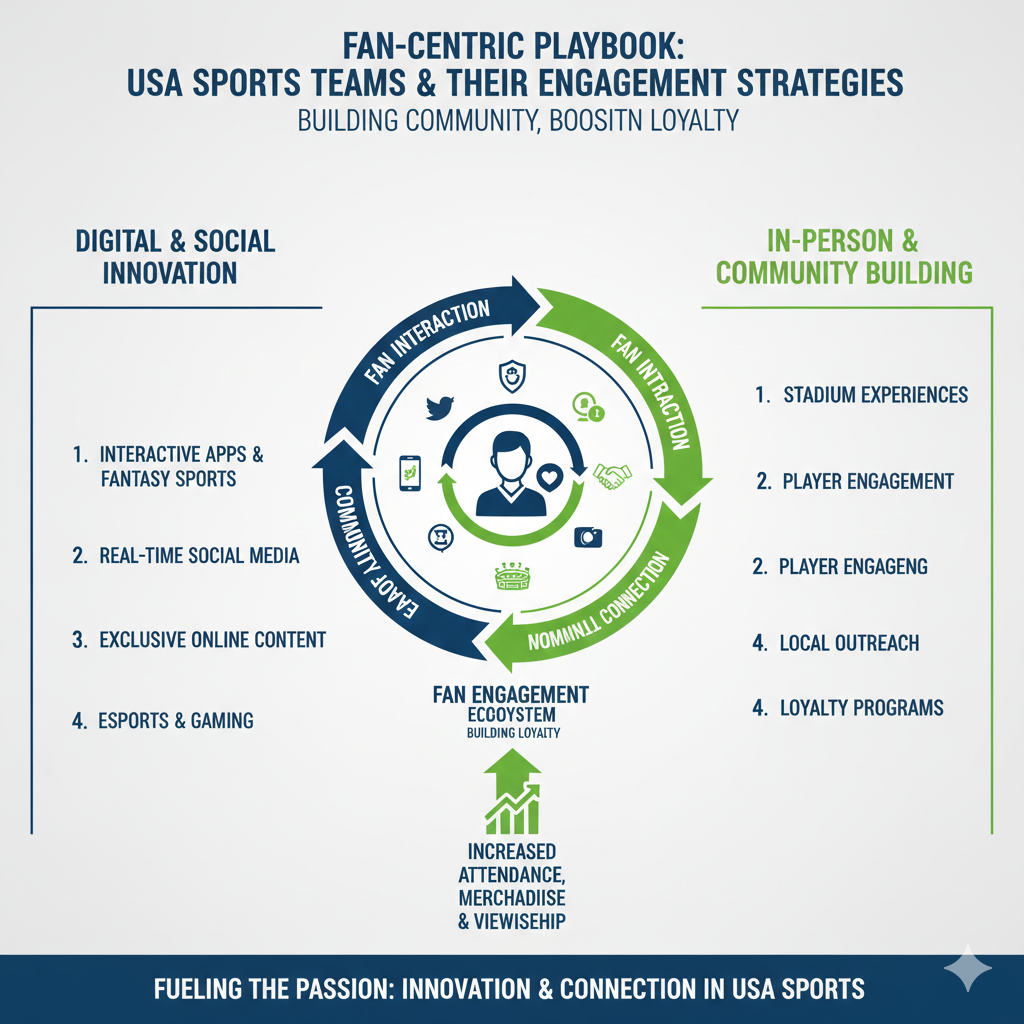
As we look toward the future, it is essential to consider the evolving landscape of consumer habits. The growing integration of technology into sports experiences has influenced how events are marketed and consumed. Virtual reality, mobile applications, and social media platforms are becoming crucial in engaging audiences, altering the way fans interact with sports. Consequently, organizing committees and local governments may need to adapt their strategies to cater to this tech-savvy demographic, which increasingly demands personalized experiences.
Moreover, global challenges such as climate change and economic fluctuations may also impact future sports events. Organizers are now more keenly aware of environmental sustainability and social responsibility, prompting them to develop eco-friendly practices and community-focused initiatives. This shift not only reflects changing consumer preferences, but also positions events as platforms for promoting broader social values.
In conclusion, while major sports events in the USA have historically been significant economic drivers, their future success will depend on an ability to adapt to new trends and challenges. Future events may be characterized by greater inclusivity, technological integration, and a commitment to sustainability, ensuring they continue to contribute positively to the economy and society as a whole.