




Why Comfort-First Living Is Becoming a Priority

Introduction to Comfort-First Living
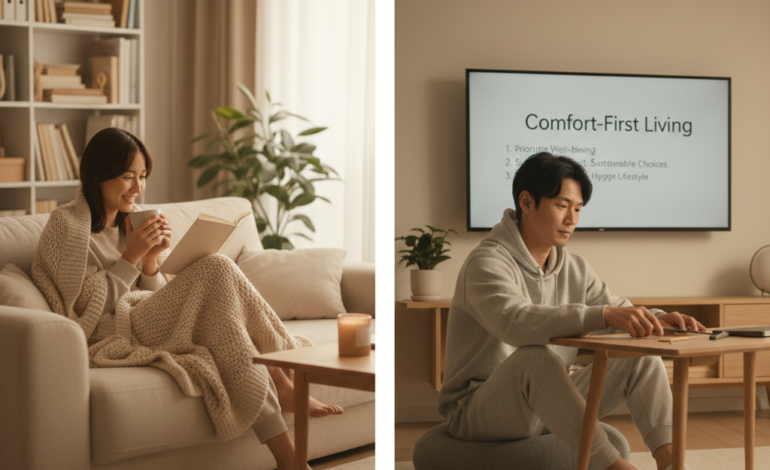
The concept of comfort-first living has increasingly gained traction in recent years, reflecting a significant shift in societal values and priorities. At its core, comfort-first living emphasizes the importance of creating environments that promote relaxation, well-being, and productivity across various aspects of life. This approach encompasses not only physical spaces such as homes and work environments, but also extends to leisure activities and lifestyle choices.
In an era dominated by technological advancements and fast-paced lifestyles, individuals have begun to recognize the essential need for comfort as a counterbalance to stress. As people navigate the challenges posed by modern living—such as long working hours, relentless connectivity, and the pursuit of higher productivity—the desire for a more comfortable lifestyle has become paramount. The shift towards comfort-first living represents a yearning for simplicity and ease, driven by the understanding that well-being is fundamental to happiness.
This prioritization of comfort has manifested itself in various forms. Home environments have transformed into sanctuaries, designed with comfortable furniture, ambient lighting, and personal touches that create a sense of peace. Similarly, workspaces are evolving to emphasize ergonomics, flexibility, and personal space, recognizing the role that comfort plays in enhancing productivity. Additionally, leisure activities are increasingly focused on experiences that offer relaxation and enjoyment, rather than merely entertainment.
Ultimately, the emergence of comfort-first living highlights a broader cultural shift towards valuing quality of life. As we continue to seek balance in our daily lives, the prioritization of comfort is likely to become an enduring trend, shaping how we conceptualize our environments, work, and leisure in the years to come.
The COVID-19 pandemic has reshaped numerous aspects of daily life, with its influence extending into how individuals prioritize comfort in their living environments. Lockdowns and social distancing measures resulted in many people transitioning from traditional workplaces to remote work setups within the confines of their homes. This shift has prompted an increased focus on creating comfortable living and working spaces, fundamentally altering perceptions of comfort and well-being.
During the pandemic, the home transformed into a multi-functional space, serving as both a workplace and a sanctuary. As individuals faced unprecedented levels of stress and uncertainty, the need for a comfortable and soothing environment became paramount. This has led to significant investments in home improvement, furniture, and design, with many choosing to create dedicated workspaces that promote productivity while also ensuring comfort. The emphasis on ergonomic furniture, ambient lighting, and aesthetic appeal highlights the growing understanding of the link between physical comfort and mental well-being.
Furthermore, the prolonged time spent at home has facilitated a re-evaluation of what comfort truly means. People have started to prioritize personal well-being by creating environments that are not just visually appealing but also conducive to relaxation and mental health. The use of calming colors, soft textures, and functional layouts in living spaces has surged, signifying a collective desire for harmony in an otherwise chaotic world.
As the pandemic continues to influence modern lifestyles, comfort-first living is not merely a trend but a response to the evolving needs of individuals. The renewed focus on well-being may serve as a catalyst for long-lasting change in how we perceive and establish our living spaces, underscoring the fundamental importance of comfort in today’s world.
The Role of Mental Health
The interplay between mental health and the concept of comfort-first living has gained considerable attention in recent years. Comfort-first living emphasizes environments and lifestyles that prioritize physical and emotional well-being. By creating spaces that evoke tranquility and relaxation, individuals can experience significant improvements in their mental health.
Research shows that comfort-oriented environments can lead to reduced stress levels and improved emotional stability. Personal comfort can be fostered through various means, such as ergonomic furniture, inviting interior designs, or serene outdoor spaces. When people feel physically comfortable in their surroundings, it can mitigate feelings of anxiety and promote a sense of security and peace.
Furthermore, the significance of comfort extends beyond just physical relaxation. The relationship between comfort and mental wellness manifests through enhancing personal routines that prioritize self-care. Engaging in comforting activities—like reading in a cozy nook, enjoying a warm beverage, or practicing mindfulness in a tranquil environment—contributes to lower stress levels and a more positive mental state.
Incorporating comfort-first principles into daily life encourages a holistic approach to mental health, acknowledging the essential need for emotional nourishment. When individuals consciously choose comfort, they create opportunities for introspection and healing, thus fostering resilience against the pressures of modern living.
Ultimately, the concept of comfort-first living serves as a powerful reminder of the connection between our environments and mental well-being. By prioritizing comfort, we not only enhance our own quality of life but also pave the way for improved mental wellness, leading to a more balanced and fulfilling existence. As society shifts towards comfort-first living, this focus on mental health may play a pivotal role in shaping our future lifestyles.
Designing for Comfort
The concept of comfort-first living has gained traction in contemporary design, fundamentally altering how spaces are constructed and utilized. The principles of designing for comfort encompass several critical elements, including ergonomics, aesthetics, and personal customization. Each of these components contributes significantly to optimizing both physical and mental well-being.
Ergonomics plays a pivotal role in the design process, particularly within the context of furniture and workspace layouts. Designers focus on creating environments that support the natural alignment and movements of the body. For instance, adjustable desks that allow for both sitting and standing positions encourage healthier work habits, reducing strain and fatigue. Consequently, a growing number of offices are incorporating these ergonomic solutions to enhance employee satisfaction and productivity.
Aesthetics are equally influential; the visual appeal of a space can significantly impact perceived comfort. Soft textures, natural materials, and harmonious color palettes are recurrent trends in comfort-focused design. For example, the use of warm woods, plush fabrics, and soothing colors creates an inviting atmosphere conducive to relaxation. The integration of biophilic design elements, such as indoor plants and natural light, further enhances comfort by promoting a connection to the natural world.
Personal customization allows individuals to tailor their environments to fit their unique preferences and needs. Modular furniture systems that can be rearranged to suit individual comfort encourage a deeper personal connection with the space. Additionally, the inclusion of smart technology enables users to control lighting, temperature, and even soundscapes, contributing to an optimized comfort experience.
Current design trends affirm a growing priority for comfort-oriented features across homes and workplaces. Open floor plans, multi-functional spaces, and dedicated relaxation areas are increasingly common, reflecting a desire for environments that bolster comfort and well-being.
Technological Innovations Enhancing Comfort
The modern pursuit of comfort has been significantly enhanced by technological innovations that cater to the contemporary lifestyle. One prominent aspect of this evolution is the integration of smart home technology, which has revolutionized how individuals interact with their living spaces. Smart devices, such as thermostats, lighting systems, and security cameras, can be controlled remotely, allowing users to create an environment that promotes relaxation and peace of mind. For instance, smart thermostats can adjust the temperature automatically, ensuring that homes remain cozy without excessive manual input.
Moreover, ergonomic furniture plays a vital role in comfort-first living. With a growing awareness of health and wellness, the demand for furniture that supports proper posture has surged. Ergonomic chairs and desks are designed to provide support during long hours of work, reducing strain on the body. Such innovations not only prioritize physical comfort but also enhance productivity, making them essential components of modern living spaces.
Innovative appliances also contribute to the comfort-first ethos by streamlining daily tasks and reducing stress. Modern kitchen appliances, such as smart ovens and dishwashers, offer features that simplify meal preparation and cleanup. For example, smart ovens can be programmed to cook recipes via a smartphone app, allowing users to set the temperature and time from anywhere in their home. This convenience reduces the effort required for meal preparation, ultimately promoting a more comfortable lifestyle.
In essence, technological advancements in smart home devices, ergonomic furniture, and innovative appliances have made significant strides in creating spaces that prioritize comfort. These innovations not only enhance the quality of everyday living but also reflect a broader societal shift towards a lifestyle that values relaxation and convenience. As technology continues to evolve, it will undoubtedly play an even more crucial role in shaping the future of comfort-first living.
Comfort in Community Spaces
In recent years, the emphasis on comfort within community spaces has witnessed a significant transformation. Urban planners and designers are increasingly recognizing that well-designed public areas not only enhance the aesthetic appeal of neighborhoods but also play a vital role in improving the quality of life for residents. This emerging trend reflects a broader understanding of the importance of comfort and well-being in urban environments.
One significant initiative towards comfort-first living can be seen in the design of parks and public squares. These spaces have evolved from being mere recreational areas to becoming hubs of social interaction and relaxation. For example, urban parks are now featuring comfortable seating arrangements, shade-providing canopies, and ample greenery that promote a sense of tranquility. The incorporation of natural elements not only enhances the visual appeal but also contributes to the mental well-being of visitors.
Additionally, public areas are increasingly designed with the needs of diverse populations in mind, including families, seniors, and individuals with disabilities. Features such as accessible pathways, playgrounds with soft surfaces, and seating that invites people to linger are becoming standard. Cities like Copenhagen and Melbourne have set exemplary standards in this regard by creating multifunctional community spaces that foster both physical activity and relaxation.
Moreover, community involvement in the design process has become a crucial aspect of urban planning. Local input is sought to ensure that the spaces reflect the preferences and needs of the residents. This participatory approach not only enhances satisfaction with public spaces but also builds a stronger sense of community and belonging.
As urban planners prioritize comfort in their designs, community spaces are not merely locations for leisure; they transform into essential components of a holistic approach to well-being. The continual investment in comfortable, thoughtfully designed public areas indicates a broader societal shift towards valuing comfort in our everyday lives, as these spaces become essential in fostering connections and enhancing the urban experience.
Acknowledging Personal Preferences
In the context of comfort-first living, recognizing and responding to individual comfort preferences has emerged as a crucial aspect for enhancing overall well-being. Each person possesses distinct needs when it comes to their comfort, which can encompass physical, mental, and emotional dimensions. Understanding one’s comfort preferences allows individuals to make more informed choices about their environments and lifestyle, ultimately leading to more fulfilling experiences.
To identify personal comfort needs, one can begin by self-reflection and observation. Consider elements such as favorite environments, activities that bring joy, and situations that evoke stress. For example, someone may find comfort in a lively social gathering while another prefers the tranquility of solitude. By recognizing these patterns, individuals can curate their surroundings to align with what nurtures their well-being.
It is also beneficial to actively engage in exploration and experimentation. Trying out different settings, styles of living, or even local events can provide insights into what feels most comfortable. Flexibility and openness to this process are key; comfort preferences are often dynamic and may evolve with life experiences. Incorporating these findings into daily life can manifest in simple, practical changes—like arranging a personal space that reflects one’s aesthetic preferences or investing in comfort-enhancing items such as ergonomic furniture.
Furthermore, discussing comfort preferences with friends and family can deepen one’s understanding and broaden perspective. By sharing insights, individuals can foster supportive relationships and create environments that respect and celebrate diverse comfort needs. Ultimately, acknowledging and prioritizing personal comfort preferences not only contributes to individual happiness but also fosters a community of respect and understanding, further enhancing the quality of modern, comfort-first living.
Challenges to Comfort-First Living
The rise of comfort-first living has undeniably altered the landscape of modern lifestyles. However, this paradigm shift is not without its challenges and potential downsides. One noteworthy concern is the tendency towards over-indulgence. As individuals prioritize personal comfort, there can be an inclination to indulge in excess, whether through lavish expenditures, habitual consumption of luxury goods, or reliance on high levels of convenience. This might temporarily boost feelings of pleasure but can lead to long-term negative implications such as financial strain or environmental degradation.
Furthermore, the comfort-first approach may inadvertently foster materialism. As the focus on acquiring comfortable and pleasurable experiences grows, individuals may begin to equate their self-worth and happiness with material possessions. This shift can diminish the appreciation of non-material values such as relationships, community, and personal growth. The consequence of this mindset often reflects insufficient engagement with the outside world, leading individuals into social isolation or fostering superficial interactions.
Additionally, the emphasis on comfort has the potential to overshadow other essential values such as productivity and discipline. The pursuit of ease can lead to procrastination and a lack of motivation, making it increasingly difficult to accomplish meaningful tasks or goals. This erosion of focus may not only hinder personal development but could also impact workplace efficiency and teamwork, ultimately contributing to a culture of mediocrity. As society embraces comfort-first living, it becomes imperative to strike a balance—to enjoy the conveniences modern life offers while remaining anchored to values that promote growth, responsibility, and connection.
Conclusion: The Future of Comfort-First Living
As we observe the rise of comfort-first living, it becomes evident that this trend reflects a profound shift in how we prioritize our personal well-being and quality of life. The increasing emphasis on comfort not only drives individual lifestyle choices but also influences broader societal dynamics, including urban planning and design. In this context, we see that the modern consumer is increasingly seeking environments that foster relaxation, peace, and well-being over mere aesthetic appeal or luxury.
The growing trend towards comfort-first living may lead to significant changes in the way urban spaces are designed. Cities might evolve to incorporate more green spaces, relaxation zones, and multifunctional areas that cater to both leisure and community engagement. As urban planners embrace these ideas, we can anticipate shifts away from sterile, overly-structured environments towards more organic, human-centered designs. This focus on comfort could also extend to public transportation and communal spaces, where user experience will shape the future of social interaction.
Moreover, the lifestyle choices adopted in comfort-first living suggest a broader shift towards mindfulness and sustainability. Consumers may increasingly favor products and services that enhance comfort and promote harmony with the environment. Businesses that recognize this growing demand for comfort will likely innovate, offering solutions that prioritize the well-being of their customers while also considering ecological sustainability.
In conclusion, comfort-first living encapsulates a trend that is likely to shape various aspects of our lives now and in the future. The intrinsic effects of this lifestyle choice will not only adjust personal habits but will also fundamentally modify our collective approach towards community living, urban development, and resource utilization. Embracing comfort in our environments can lead to richer, more fulfilling experiences that underline the importance of health and happiness in our daily activities.