





Role of Technology in Remote Work USA

Introduction to Remote Work and Technology
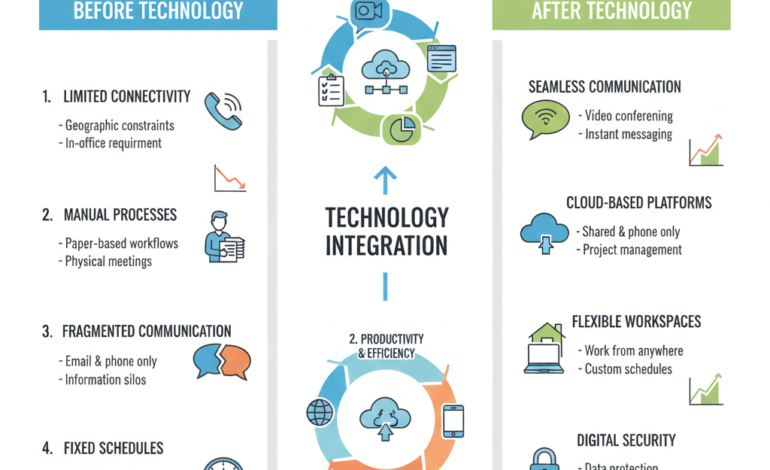
The concept of remote work has experienced remarkable growth in recent years, particularly in the United States. With advancements in technology, the feasibility and attractiveness of working outside a traditional office environment have drastically improved. Companies are increasingly adopting remote work policies, motivated by factors such as employee satisfaction, cost savings, and the ability to tap into a broader talent pool.
Technology plays an instrumental role in this transition. High-speed internet access, collaborative software, and mobile devices are just a few technological innovations that have transformed how work is conducted. Communication platforms like Zoom, Slack, and Microsoft Teams have made it possible for teams to collaborate in real-time, irrespective of their geographical locations. As a result, individuals can maintain productivity while enjoying the flexibility that remote work offers.
The impact of remote work extends beyond individual employees; organizations have also reported benefits such as increased focus, higher employee retention rates, and reduced overhead costs associated with maintaining physical office spaces. This evolving work landscape has created a new paradigm that emphasizes results over hours spent in an office. Furthermore, employees often enjoy a better work-life balance, which has become increasingly important in today’s fast-paced world.
This shift towards remote work and reliance on technology is not merely a temporary reaction to global events; it signifies a lasting change in the workplace culture. As organizations continue to adapt to these new norms, technology will remain a critical enabler, ensuring that employees remain engaged, connected, and productive, regardless of their location.
Key Technologies Supporting Remote Work
In the evolving landscape of remote work, numerous technologies play a pivotal role in ensuring effective communication and productivity among distributed teams. One of the primary tools that facilitate collaboration is software such as Slack and Microsoft Teams. These platforms allow team members to communicate in real-time through instant messaging, enabling quick exchanges of information. Slack, for instance, encourages organized conversations through channels, while Microsoft Teams integrates seamlessly with other Office 365 applications, allowing for a smooth workflow.
Another essential category of technology is project management software. Tools like Asana and Trello offer structured environments where teams can organize tasks, set deadlines, and monitor progress. Asana’s task management features enable users to break down projects into manageable parts, which can be distributed among team members based on their individual strengths. Trello’s visual boards provide an intuitive interface that helps teams track workflows, enhancing accountability and transparency, which is necessary for successful remote collaboration.
Additionally, video conferencing platforms such as Zoom and Google Meet have transformed how teams conduct meetings. These tools allow face-to-face interaction, which is crucial for building rapport among team members. Zoom’s capabilities for large group meetings and breakout rooms foster interactive discussions, while Google Meet’s integration with Google Workspace facilitates easy sharing of documents and presentations during live sessions. Such functionalities not only uphold the essence of in-person communication but also enhance engagement during remote work.
In summary, the combination of collaboration tools, project management software, and video conferencing platforms forms the backbone of remote work technology. By leveraging these technologies, organizations can create an environment that fosters productivity and communication, thus supporting a successful remote work culture.
The Influence of Cloud Technology
Cloud technology has emerged as a crucial component in facilitating effective remote work practices across the USA. This innovative technology allows employees to access documents and applications from virtually any location, bridging geographic gaps and enabling a flexible work environment. By utilizing cloud computing solutions, organizations can empower their workforce to maintain productivity without the constraints of traditional office settings.
One of the most significant advantages of cloud technology is its ability to support real-time collaboration. Multiple team members can work on the same document simultaneously, allowing for instant feedback and a more dynamic approach to project management. This collaborative capability not only enhances productivity but also fosters a sense of teamwork, which is often challenging to maintain in a remote setting. With tools such as cloud-based file storage and shared applications, employees can communicate efficiently, share ideas, and ensure that everyone remains aligned on objectives.
Additionally, the implementation of cloud technology contributes to reduced hardware costs for organizations. By shifting to cloud-based solutions, businesses can minimize their investment in physical infrastructure, enabling them to allocate resources more effectively. This efficiency is particularly pronounced for small and medium-sized enterprises that may have budget constraints. With a cloud-based system, companies can scale their services according to their needs, facilitating growth without the significant overhead associated with maintaining extensive in-house servers.
In summary, cloud technology fundamentally transforms the remote work landscape by offering essential tools for collaboration and flexibility while simultaneously reducing costs for organizations. These benefits showcase the pivotal role that cloud computing plays in enabling efficient remote work practices in today’s digitally connected world.
Cybersecurity Challenges in Remote Work
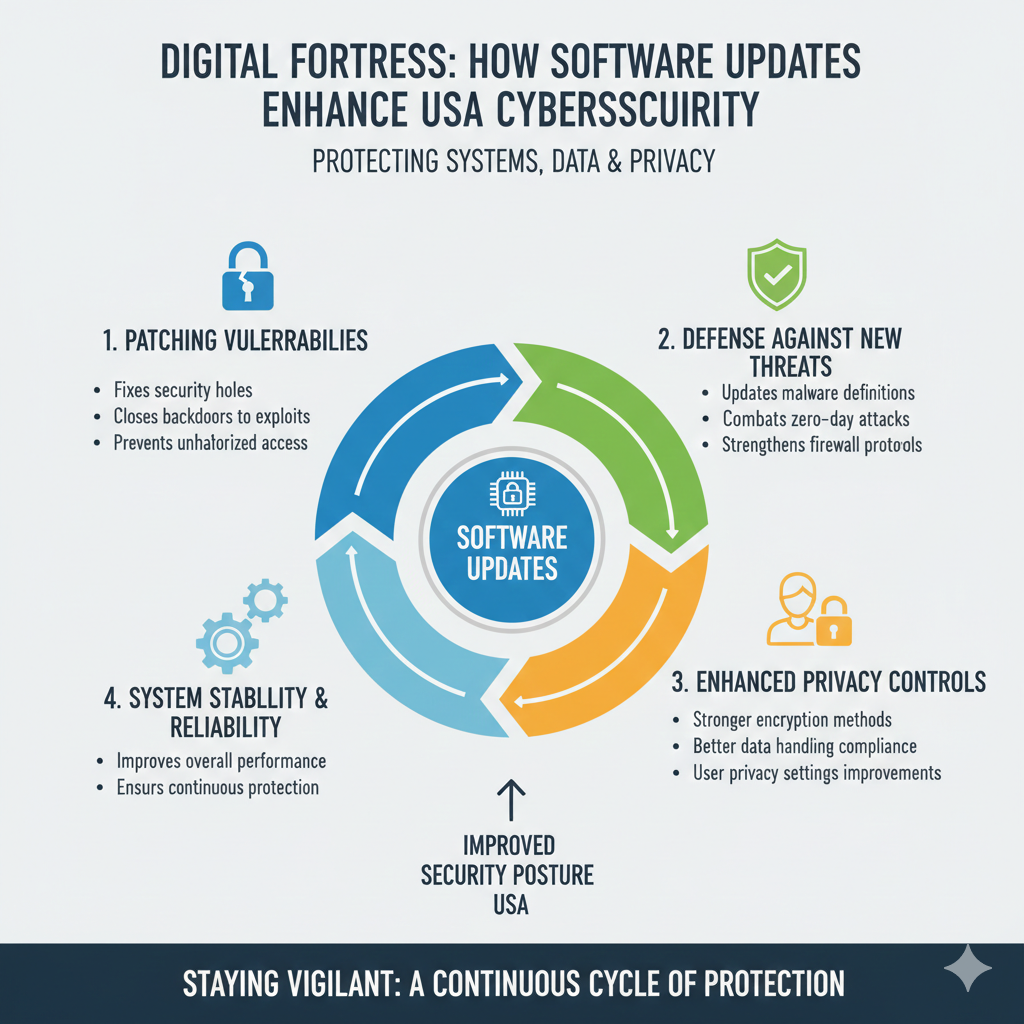
As remote work continues to gain prominence across the United States, organizations are confronted with a series of cybersecurity challenges that can jeopardize sensitive data and corporate integrity. The expansive shift to remote work environments has prompted a critical examination of data security practices, revealing numerous vulnerabilities that can lead to significant data breaches. One of the primary concerns is the reliance on potentially insecure internet connections, which remote workers often utilize from various locations, such as homes or public spaces. Such environments may lack the robust security measures typically found in traditional office settings.
Employers must recognize the heightened risks associated with remote work. This includes the potential for unauthorized access to sensitive information and phishing attacks, which are increasingly prevalent in remote working conditions. Cybercriminals have become adept at exploiting the distractions and uncertainties that may arise in a remote work context, making it imperative for organizations to implement strong security measures. A critical step in enhancing cybersecurity is the establishment of Virtual Private Networks (VPNs) that provide encrypted connections for remote access to corporate resources. VPNs not only shield sensitive data from interception but also fortify the overall security posture of remote workers.
Another cornerstone of effective cybersecurity in remote settings is the implementation of two-factor authentication (2FA). 2FA adds an additional layer of security by requiring users to provide two forms of identification before accessing accounts or data. This practice significantly reduces the risk of unauthorized access, further protecting sensitive information. Furthermore, regular training for employees on security best practices is essential to empower them with the knowledge required to identify potential threats and respond appropriately. Investing in comprehensive cybersecurity education can enhance vigilance among remote workers, fostering a culture of security awareness.
Technology and Work-Life Balance
The integration of technology into remote work settings has transformed the dynamics of work-life balance in substantial ways. One of the most notable benefits is the flexibility offered by digital tools, which allow employees to tailor their work schedules in a manner that accommodates personal commitments. For instance, applications that facilitate communication and task management enable professionals to work from virtually anywhere, thus allowing for a more adaptable approach to managing both work duties and personal responsibilities.
Additionally, remote work technology can foster a more balanced lifestyle by reducing commute times, enabling workers to allocate those hours toward activities that promote well-being, such as exercise or family time. This convenience has led many to report higher levels of job satisfaction and a more harmonious blend of their work and personal lives.
On the other hand, the technological shift toward remote work poses significant challenges to work-life balance. With the constant availability facilitated by digital devices, employees often find it difficult to separate their professional obligations from personal time. The absence of clear boundaries can result in an ‘always-on’ work culture, where individuals feel pressured to remain connected and responsive outside of standard working hours. This phenomenon not only heightens stress levels but can also lead to burnout, as the distinction between work and personal life becomes increasingly nebulous.
Thus, while technology serves as a valuable tool in enhancing flexibility and accessibility, it can also undermine the essential boundaries necessary for maintaining effective work-life balance. Employers and employees alike must recognize these dual effects and strive to implement strategies that harness the advantages of technology, while mitigating its potential drawbacks to foster a healthier work environment.
The Role of Technology in Employee Engagement
In an increasingly digital world, the role of technology in fostering employee engagement within remote work settings cannot be overstated. Companies must leverage various tools to ensure that their employees remain connected, motivated, and integrated within the company culture, despite the geographical distances.
Virtual team-building activities have emerged as a significant method for promoting engagement. Platforms such as Zoom, Microsoft Teams, and Slack provide versatile environments where organizations can host virtual games, brainstorming sessions, and casual meet-ups. These interactions not only boost team dynamics but also create a sense of belonging among employees. By integrating online collaboration tools, companies can effectively foster a culture of communication and shared goals.
Another crucial aspect of maintaining employee morale in remote contexts is the implementation of feedback systems. Tools like SurveyMonkey and Officevibe enable organizations to gather insights and gauge employee satisfaction levels regularly. This feedback is essential for making necessary adjustments to work environments and practices, thus reaffirming to employees that their opinions are valued. Engaging with employees through these surveys fosters an open dialogue, which is instrumental for retention and satisfaction.
Furthermore, performance tracking tools such as Asana, Trello, and Monday.com play a pivotal role in aligning employee output with organizational objectives. These technologies provide transparency regarding tasks and deadlines, enabling employees to manage their workloads efficiently while feeling connected to their team’s achievements. Celebrating milestones and recognizing individual contributions through these platforms reinforces a positive work environment, even when conducted remotely.
Overall, it is evident that technology, when strategically utilized, significantly enhances employee engagement in remote work settings. Through virtual interactions, feedback systems, and performance management tools, organizations can nurture a supportive and cohesive workplace culture.
Future Trends in Remote Work Technology
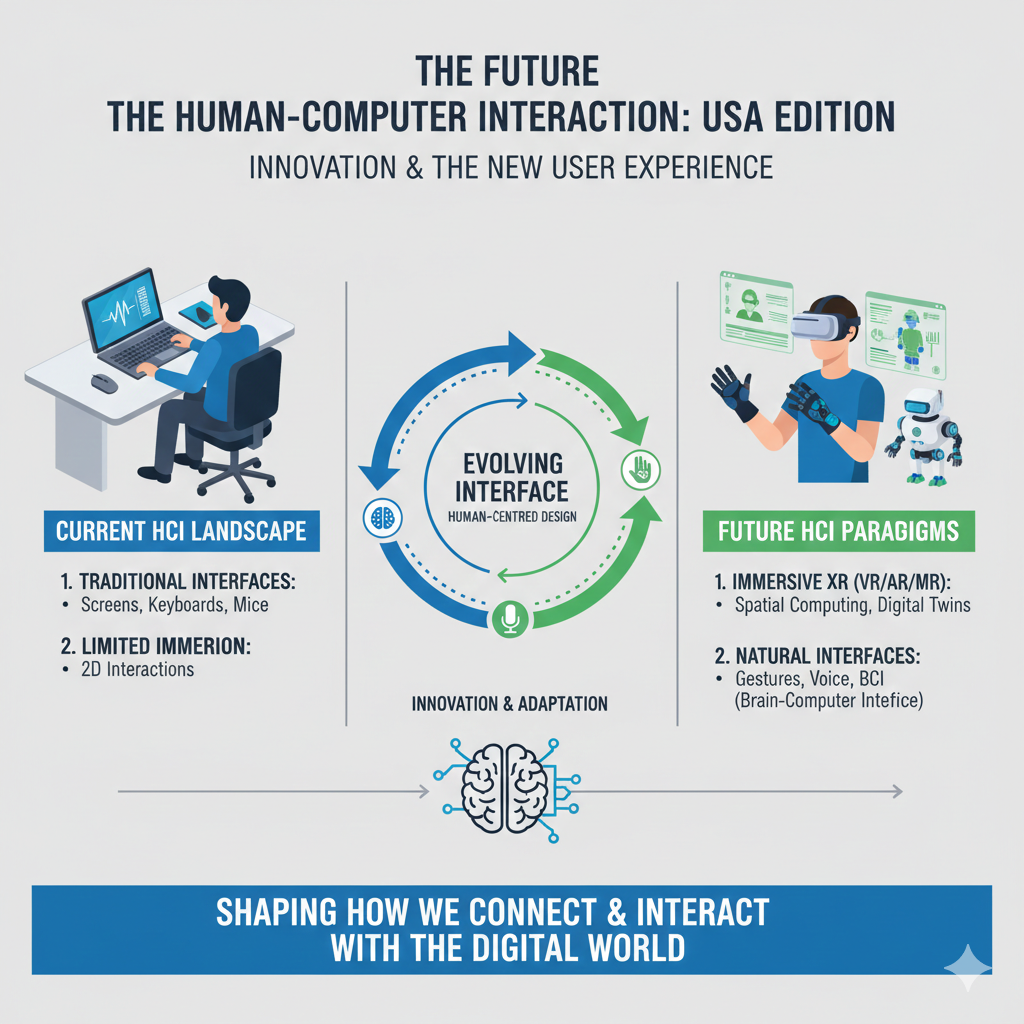
As organizations continue to adapt to remote work models, several key trends in technology are emerging that are likely to redefine the landscape of remote work in the USA. One such trend is the advancement of virtual reality (VR) and augmented reality (AR) tools, which are set to enhance collaboration and interaction among remote team members. These immersive technologies facilitate a more engaging work environment, allowing employees to participate in meetings and brainstorming sessions as if they were physically present. The potential for VR and AR applications in training and development further illustrates the significant impact these tools will have on workforce productivity and integration.
Another prominent trend is the proliferation of artificial intelligence (AI)-driven productivity applications that cater to the specific needs of remote workers. These tools utilize machine learning and data analytics to streamline tasks, automate repetitive processes, and even predict workload challenges. As a result, remote employees are likely to experience increased efficiency, enabling them to focus on higher-value tasks while minimizing distractions. Furthermore, businesses are beginning to recognize the importance of adopting AI solutions to foster better communication and collaboration across virtual teams.
In addition to these technological advancements, there is a growing emphasis on mental health apps tailored explicitly for remote workers. The isolation that can accompany remote work poses several challenges, including feelings of loneliness and burnout. To address these issues, a variety of mental health and wellness applications are being developed that offer virtual therapy sessions, meditation exercises, and community support features. These resources aim to promote emotional well-being among employees, ensuring they remain connected and engaged, even when working from home.
Case Studies: Successful Remote Work Implementations
In recent years, various companies across the USA have successfully adopted remote work policies, leveraging technology to enhance productivity, employee satisfaction, and operational efficiency. One notable example is Slack Technologies, which adopted a fully remote work model in response to the changing workplace environment. The company utilized its own communication platform to facilitate seamless interaction among team members, enabling real-time collaboration and effective project management. By implementing dedicated channels for different teams, Slack ensured that information was readily accessible, helping maintain organizational continuity and engagement.
Another significant case is GitLab, an all-remote company that has been championing remote work long before the pandemic. GitLab utilizes a comprehensive suite of tools, including Git for version control and Google Workspace for document collaboration. Their emphasis on asynchronous communication allows team members across various time zones to work efficiently without requiring simultaneous availability. This strategy has resulted in high employee retention and satisfaction, demonstrating the effectiveness of a well-structured remote work model.
Additionally, companies like Zoom Video Communications exemplify technology utilization in remote work. Originally founded as a video conferencing tool, Zoom found itself at the forefront during the pandemic. The company not only adopted its own product for internal communications but also provided training sessions, enhancing the digital fluency of employees. This proactive approach to technology integration led to increased productivity levels, even in a largely remote setting. The combination of user-friendly technology and supportive management played a crucial role in making remote work a sustainable practice within these organizations.
These case studies highlight how successfully integrating technology into remote work policies can significantly affect an organization’s performance, setting a benchmark for others to follow as they navigate the remote work landscape.
Conclusion: Embracing Technology for a Hybrid Future
As organizations continue to navigate the evolving landscape of work, the significant role of technology becomes increasingly apparent. Throughout this discussion, we have explored the various ways in which technology has facilitated remote work in the USA, enhancing communications, collaboration, and productivity. With the rise of virtual platforms, companies have been able to maintain operations seamlessly, ensuring that employees remain connected and engaged, regardless of their physical location.
Moreover, it is essential to acknowledge that the future of work may not be limited to fully remote or entirely in-office environments. Instead, many businesses are transitioning towards a hybrid work model, which combines the advantages of both approaches. In this context, technology will serve as a critical enabler, assisting organizations in creating flexible solutions tailored to their unique needs and cultures.
To effectively embrace this hybrid future, companies must prioritize the integration of innovative tools and platforms that facilitate efficient teamwork and communication. This includes investing in reliable video conferencing software, cloud-based project management systems, and secure data-sharing solutions. By leveraging such technologies, businesses can foster an adaptable work environment that supports employee needs while driving organizational success.
Ultimately, embracing technology is not merely about adapting to current challenges; it is about preparing for future possibilities. By recognizing the potential of technology in shaping hybrid work experiences, organizations can better position themselves for sustained growth and resilience in an ever-changing world. Successful adaptation to this hybrid model will lead to improved employee satisfaction and productivity as we collectively move forward into the future.