

How Proportion and Balance Shape Clothing Silhouettes


The way a garment drapes, fits, and moves depends largely on proportion. A shirt with sleeves too long or a jacket with shoulders too narrow disrupts the visual flow, making the wearer appear unbalanced. Proportion in clothing isn’t about following strict rules—it’s about creating harmony between the body and the fabric that covers it.
Understanding proportion helps explain why certain styles feel right while others seem off. It influences how comfortable a garment feels, how flattering it looks, and how it communicates identity. Proportion also connects to broader ideas about what is a clothing silhouette, how body shapes influence clothing silhouettes, and the evolution of design over centuries.
This post explores how proportion and balance work together to define the silhouettes we wear. From historical shifts in style to modern design innovation, proportion remains at the core of how clothing is constructed and perceived.
Understanding Proportion in Human Clothing
Proportion refers to the relationship between different parts of a garment and how they relate to the human body. It’s what makes a coat look structured or a dress appear flowing. Designers adjust proportions to create specific effects—elongating the body, emphasizing certain areas, or balancing volume across different sections.
Length vs Volume
Length and volume are two key elements that define how a garment’s proportions are perceived. A long, flowing skirt creates a sense of verticality, while a cropped jacket paired with high-waisted trousers balances short and long elements to maintain visual harmony.
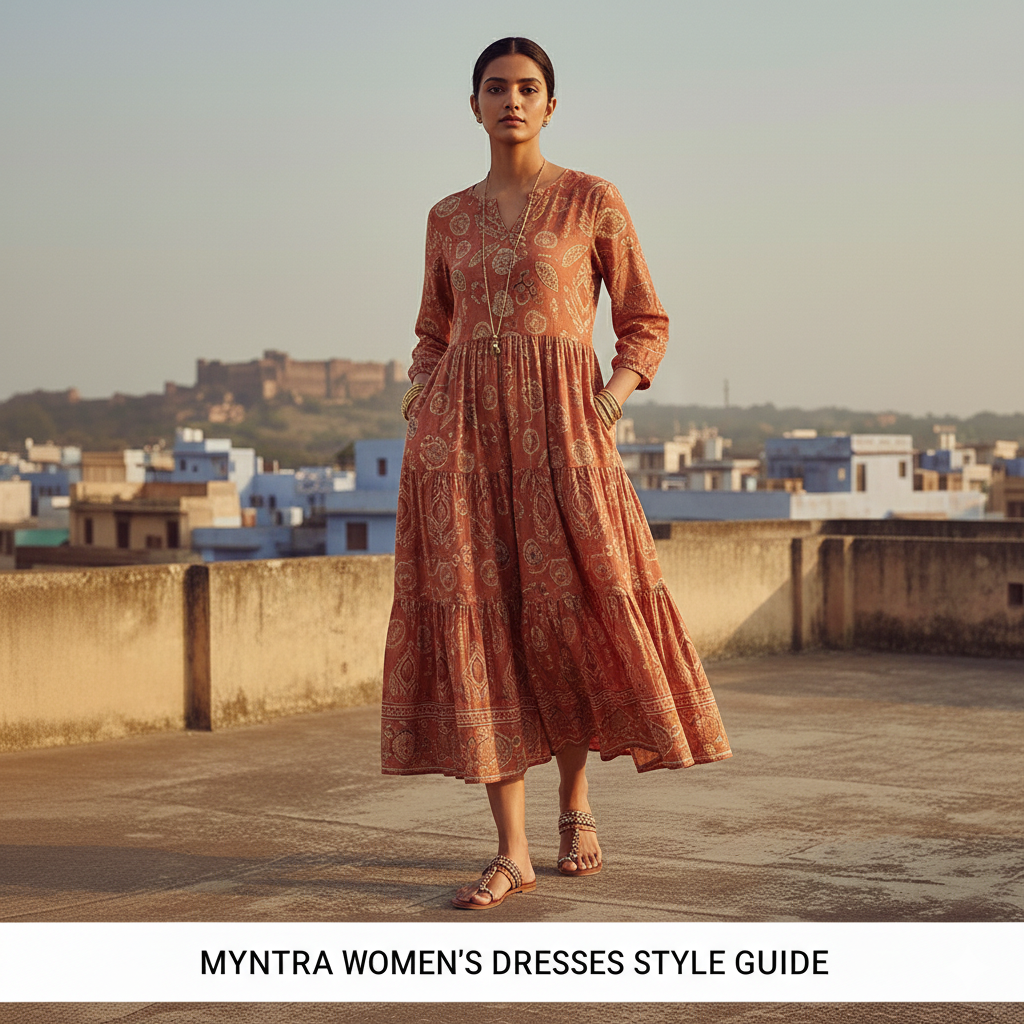
When volume is concentrated in one area—such as oversized sleeves on a fitted bodice—the contrast draws attention and creates a distinct silhouette. Conversely, evenly distributed volume, like in a kaftan or tunic, offers a more relaxed and fluid appearance. These choices aren’t arbitrary; they reflect both practical needs and aesthetic preferences shaped over time.
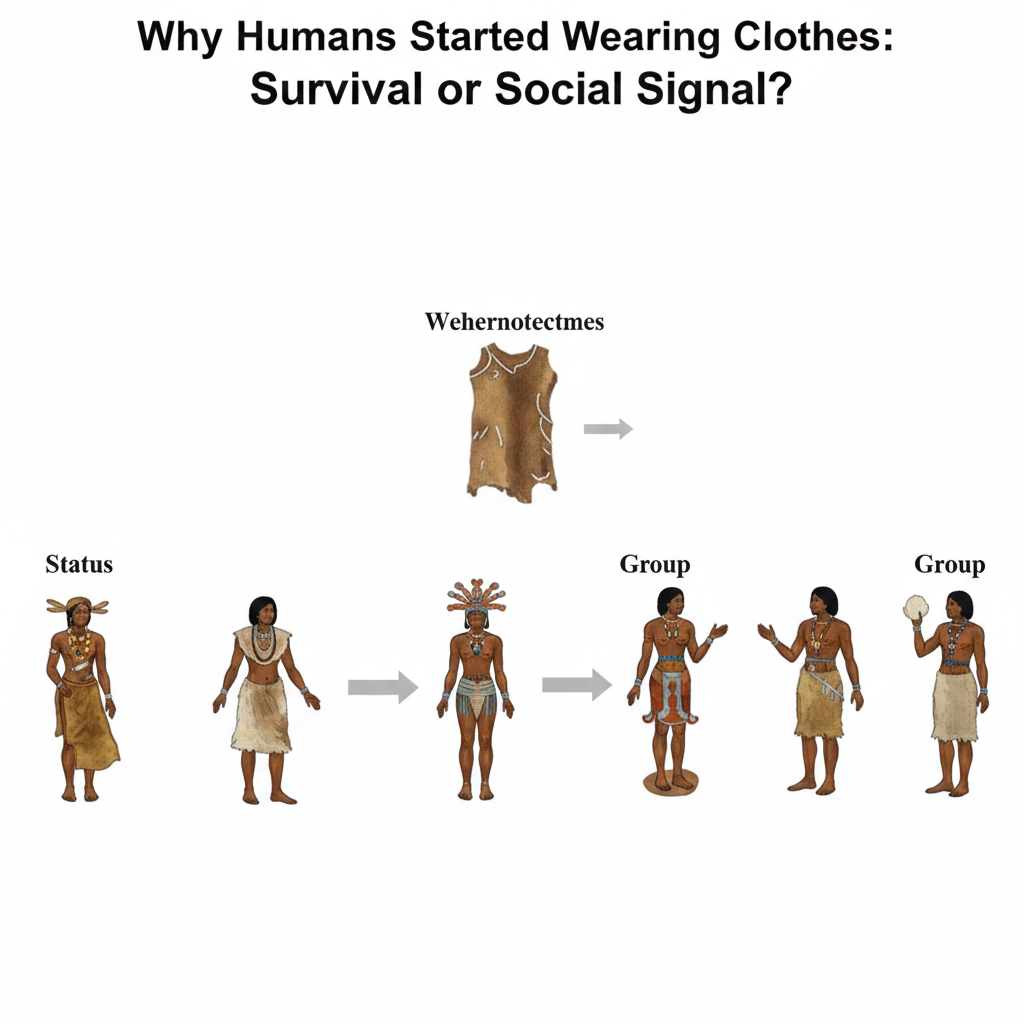
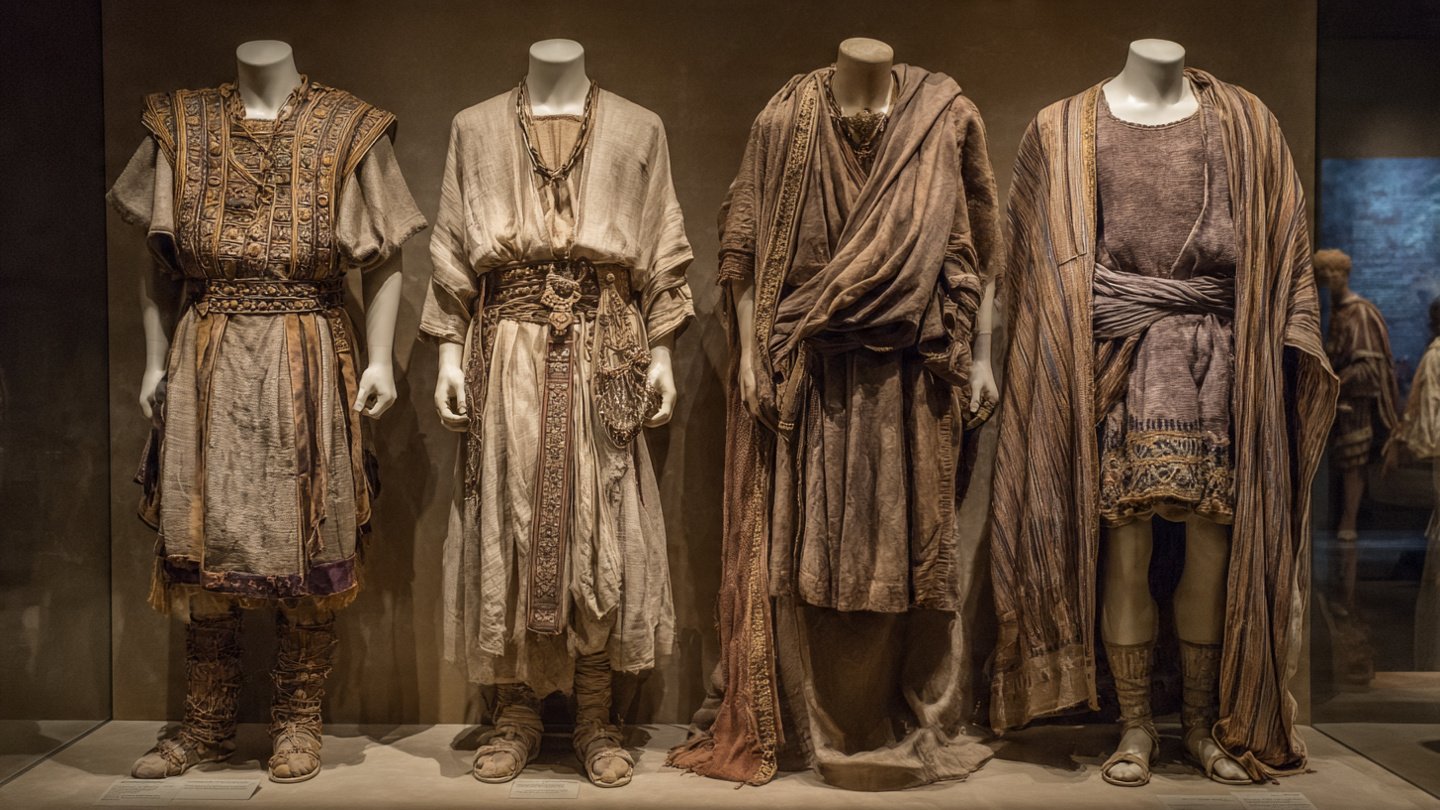
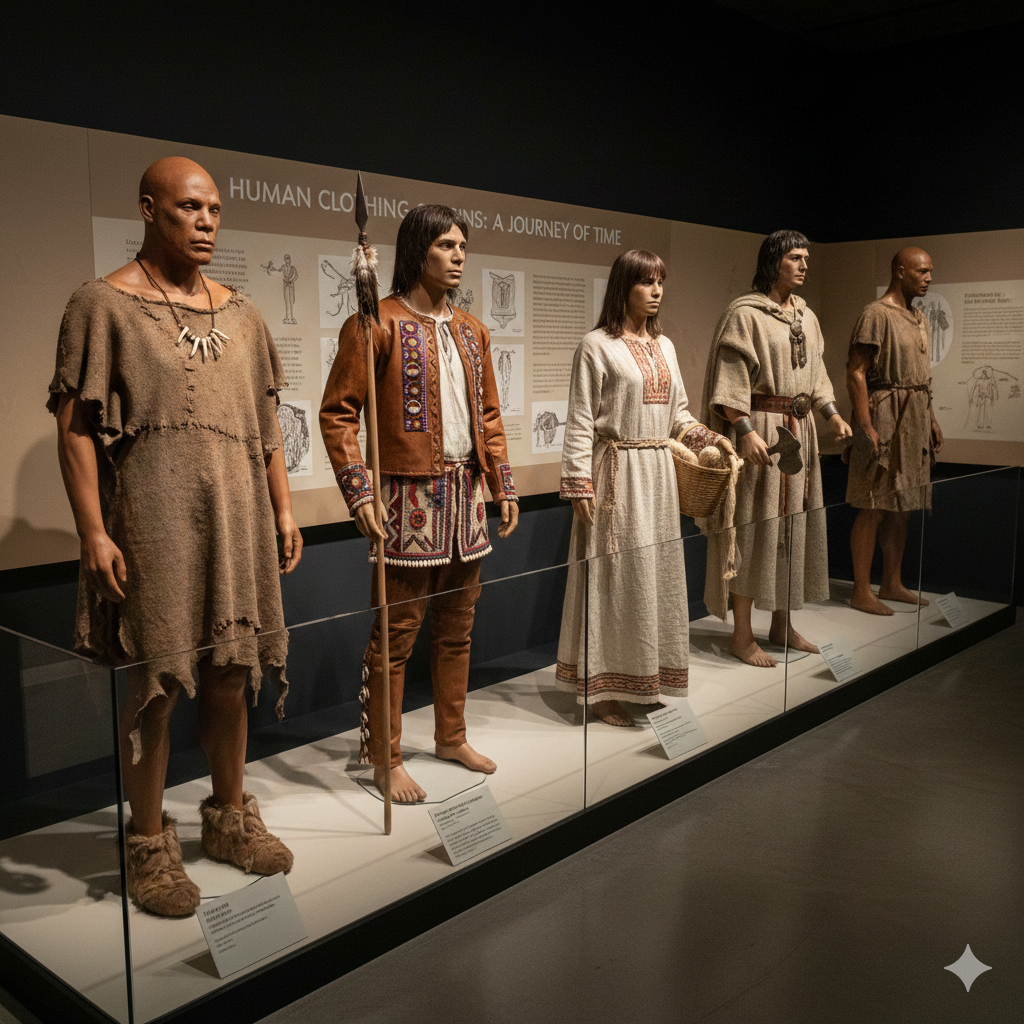
Historically, functional vs symbolic clothing in early tribes showed how proportion served both utility and identity. Loose, layered garments allowed freedom of movement in warm climates, while tighter, structured pieces in colder regions provided insulation. As societies evolved, so did the symbolic use of proportion, with longer hemlines or exaggerated sleeves signaling status or wealth.
Upper and Lower Body Balance
The relationship between the upper and lower body plays a major role in how clothing proportions are perceived. A fitted top paired with wide-leg pants creates balance by offsetting slim and voluminous elements. A boxy oversized sweater over skinny jeans achieves the same effect but in reverse.
This balance isn’t universal. Different cultures and eras have emphasized different proportions based on ideals of beauty, function, and social norms. The transition from tribal dress to structured fashion introduced more deliberate manipulation of proportion, with tailoring techniques allowing garments to enhance or alter the body’s natural shape.
In the 18th century, for example, wide panniers expanded the lower body while corsets cinched the waist, creating an exaggerated hourglass silhouette. In contrast, 1920s fashion favored a straighter, more androgynous proportion that minimized curves. These shifts reflect changing attitudes toward the body and how clothing can reshape its appearance.
Balance and Movement in Garment Design
Proportion isn’t just about appearance—it affects how clothing moves and how the wearer feels. A well-proportioned garment allows natural movement without restriction, while poor proportion can make even the most stylish piece uncomfortable.
Balance in garment design considers weight distribution, fabric behavior, and the body’s range of motion. A heavy wool coat with proportions that place too much weight on the shoulders can feel burdensome, while a lighter fabric distributed evenly across the body feels more natural.
The way fabric drapes depends heavily on its weight and texture. How fabric weight and texture affect clothing design explains why certain materials lend themselves to specific silhouettes. Silk flows and gathers easily, making it ideal for garments with soft, draped proportions. Denim, on the other hand, holds structure, making it better suited for fitted or tailored pieces.
Cutting techniques also play a role in how proportion and balance interact. The role of patterns and cutting techniques in garment design details how designers manipulate fabric to create intended shapes. Bias-cut garments, for instance, use the fabric’s diagonal grain to create a natural drape that moves with the body. Straight-cut pieces, by contrast, maintain structure and resist movement, creating a more rigid silhouette.
Proportion also affects mobility. Garments with restrictive proportions—such as tight sleeves or narrow hemlines—can limit movement, while looser, more balanced designs allow greater freedom. This is why athletic wear and workwear have historically favored proportions that prioritize function over strict aesthetic rules.
Cultural Influence on Proportion and Silhouette Trends
Proportion in clothing has never been static. What feels balanced in one culture or era may seem disproportionate in another. These shifts reflect broader social, economic, and political changes that influence how people dress.
Major historical events that changed clothing forever reshaped proportions in significant ways. The Industrial Revolution introduced mass production, making standardized sizing more common. This shifted how proportion was understood, as garments were no longer custom-fitted to individual bodies but designed to fit a range of measurements.
Wars also impacted proportion. During periods of rationing, such as World War II, fabric shortages led to narrower silhouettes and shorter hemlines. After the war, fashion rebounded with fuller skirts and more generous proportions, reflecting a return to abundance and optimism.
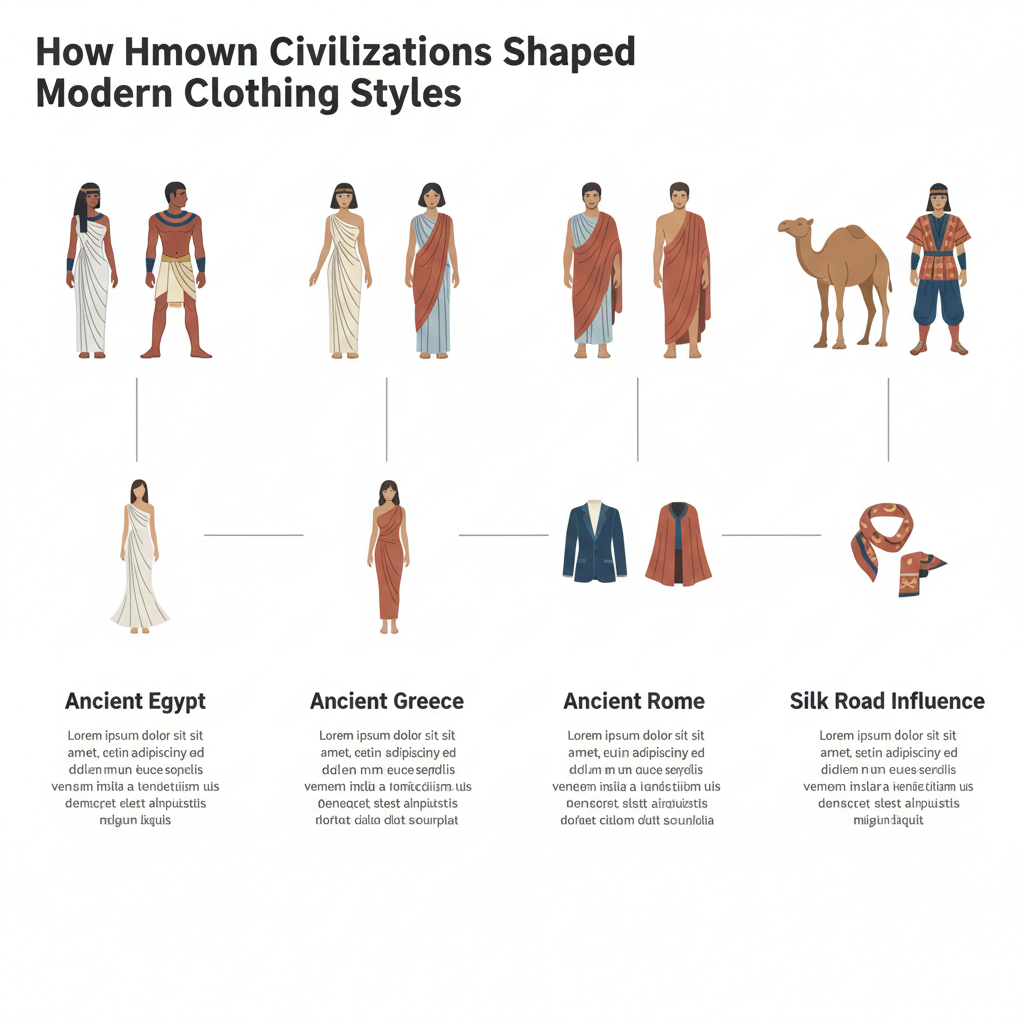
Trade and cultural exchange have always influenced proportion and silhouette. How trade routes spread clothing styles shows how garments traveled across regions, bringing new ideas about fit and balance. The kimono’s wide sleeves and straight lines influenced Western fashion in the late 19th and early 20th centuries, introducing a different approach to proportion than the fitted bodices and structured skirts common in Europe at the time.
Religious and social norms also dictate proportion. Modest dress codes in certain cultures favor longer hemlines, looser fits, and covered silhouettes, while others emphasize body-conscious designs that highlight natural proportions. These differences aren’t just aesthetic—they reflect deeply held values about identity, modesty, and presentation.
Modern Silhouette Trends and Balanced Design
Contemporary fashion plays with proportion in ways that challenge traditional ideas of balance. Oversized silhouettes, asymmetrical cuts, and layered styling create intentional imbalance that feels modern and expressive.
The rise of oversized fashion reflects a shift away from body-hugging fits. Baggy jeans, oversized blazers, and loose-fitting shirts create silhouettes that prioritize comfort and ease. This trend connects to broader movements in fashion that reject rigid beauty standards and embrace individuality.
How streetwear changed modern dressing habits highlights how urban fashion redefined proportion. Streetwear introduced relaxed fits, dropped shoulders, and elongated hemlines, creating silhouettes that feel casual yet intentional. These proportions originated in functional clothing—workwear, sportswear, and military uniforms—but were reinterpreted as symbols of rebellion and self-expression.
Athleisure also contributed to modern proportion trends. The rise of athleisure clothing trends explains how activewear’s emphasis on stretch, movement, and comfort influenced everyday fashion. Leggings, joggers, and performance fabrics created new silhouettes that blend fitted and relaxed proportions, reflecting a lifestyle that values both function and style.
Fitted silhouettes haven’t disappeared—they’ve evolved. Tailored clothing now often incorporates stretch fabrics and ergonomic cuts that maintain structure while allowing movement. This balance between form and function reflects modern expectations that clothing should look good and feel good.
Layering has become a key strategy for playing with proportion. Combining different lengths, volumes, and textures creates complex silhouettes that feel dynamic. A long coat over a cropped top and high-waisted trousers, for example, creates multiple points of visual interest while maintaining overall balance.
Future of Silhouettes — Adaptive and Inclusive Proportions
The future of clothing proportion lies in adaptability and inclusivity. Designers are increasingly focused on creating garments that work for a wider range of bodies, identities, and needs.
Gender-neutral design challenges traditional proportions that assume a binary body type. Clothing silhouettes and gender expression explores how fashion is moving toward silhouettes that don’t rely on gendered fits. Unisex collections often feature relaxed proportions, adjustable elements, and versatile cuts that accommodate different body shapes without reinforcing stereotypes.
Adaptive fashion takes proportion even further by designing for people with disabilities or specific physical needs. Garments with magnetic closures, adjustable waistbands, and easy-access openings maintain aesthetic appeal while prioritizing functionality. This approach redefines what balanced proportion means, shifting focus from visual harmony to practical wearability.
Technology is also influencing future proportions. Smart clothing and wearable technology explained details how embedded sensors, responsive fabrics, and digital integration are changing garment design. These innovations require new approaches to proportion, as designers must account for the placement and function of technological components without compromising fit or comfort.
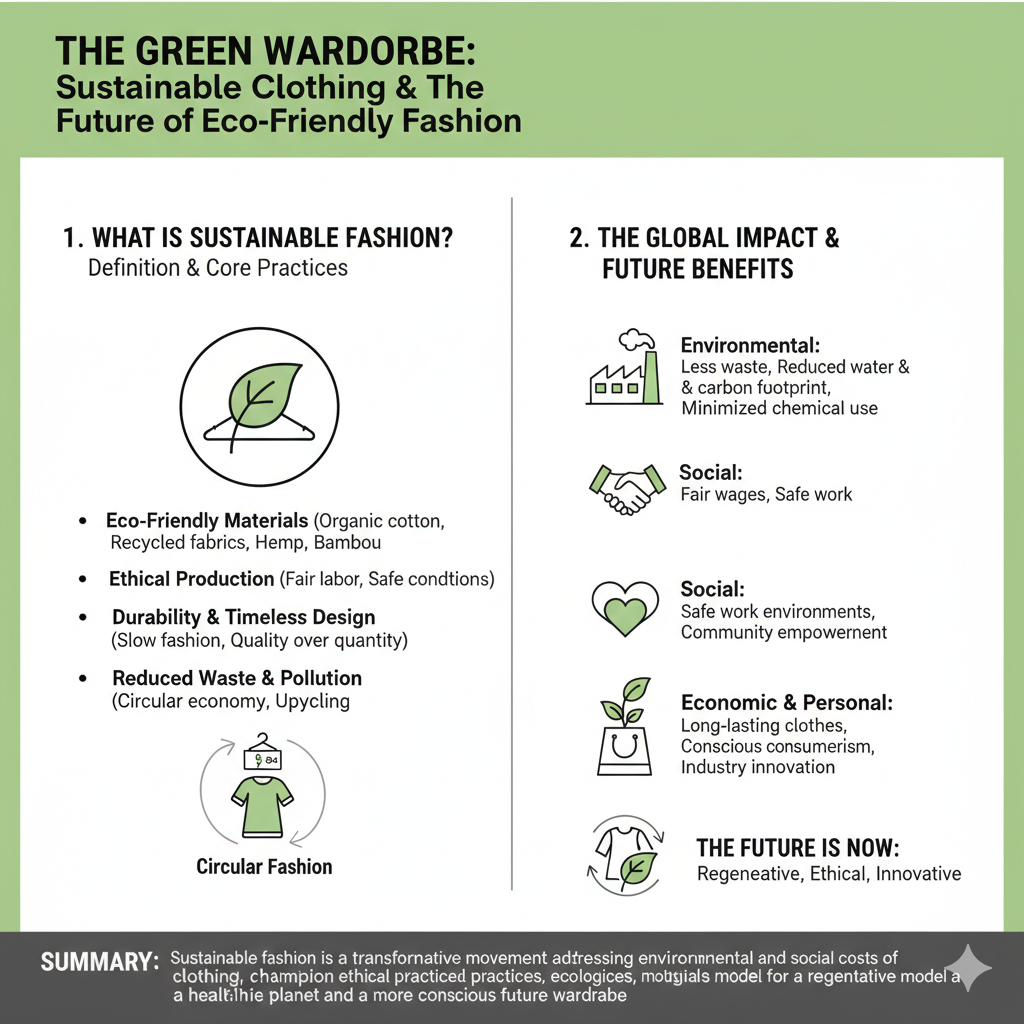
Sustainability is another factor shaping future silhouettes. As fashion moves toward longer-lasting garments, proportion becomes a consideration in creating timeless pieces that remain wearable across trends. Adjustable designs, modular clothing, and customizable fits allow garments to adapt to changing bodies and styles, extending their lifespan.
Proportion as the Core of Clothing Harmony
Proportion and balance are fundamental to how clothing works. They determine how garments look, feel, and move, influencing both aesthetic appeal and practical function. From the earliest forms of dress to cutting-edge smart fabrics, proportion has remained a constant consideration in how humans shape the clothing they wear.
Understanding proportion connects to broader questions about why humans started wearing clothes and how those early needs evolved into the complex fashion systems we navigate now. It also points toward the future of human clothing in a digital world, where new technologies and shifting cultural values continue to redefine what balanced design looks like.
Whether through oversized streetwear, tailored suiting, or adaptive fashion, proportion shapes how we present ourselves and interact with the world. Recognizing its role helps us appreciate the thought and craft behind every garment—and make more intentional choices about what we wear.