
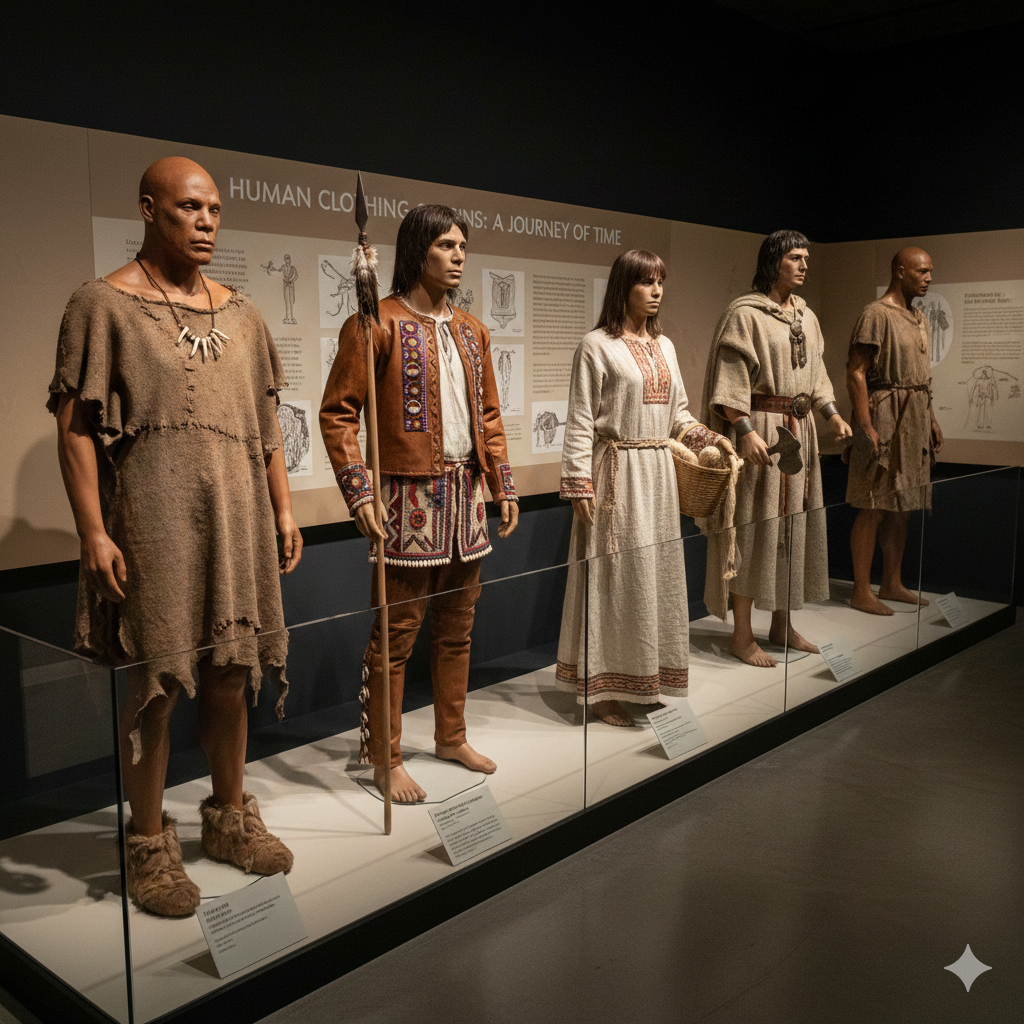


How Trade Routes Spread Clothing Styles Across Civilizations

Long before fashion weeks and trend forecasts, merchants carried more than spices and precious metals along ancient pathways. Draped across camel backs and stowed in ship hulls were textiles, dyes, and garment patterns that would permanently alter how civilizations dressed. Trade routes didn’t just move goods—they transported ideas about beauty, status, and identity that reshaped clothing traditions across continents.
The flow of fabric and fashion knowledge along these commercial networks reveals something profound about human nature: our desire to connect, adapt, and express ourselves through what we wear. When a Chinese silk robe reached Roman markets or Indian cotton arrived in East African ports, it sparked conversations between cultures that transcended language barriers.
Understanding how trade influenced clothing evolution offers insight into both our past and present. The major historical events that changed clothing forever often began with a single merchant ship or caravan introducing foreign textiles to curious markets. These exchanges laid the groundwork for how ancient civilizations shaped clothing styles in ways that continue to influence modern fashion. This interconnected story of commerce and culture forms an essential chapter in the broader human clothing history hub.
The Silk Road and Textile Innovation
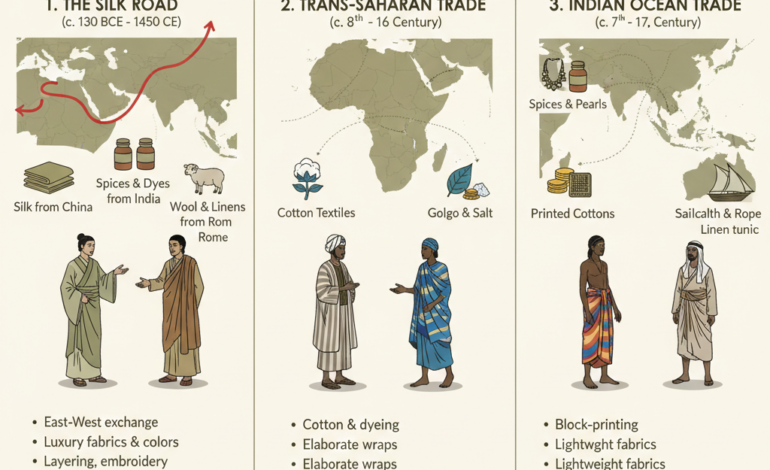
The Silk Road wasn’t a single path but a vast network of trade routes connecting East Asia to the Mediterranean. Stretching over 4,000 miles, these routes facilitated one of history’s most significant cultural exchanges—and textiles were among the most prized commodities.
Movement of Silk, Cotton, and Wool
Chinese silk became legendary across the ancient world, so valuable that Romans paid its weight in gold. The fabric’s production remained a closely guarded secret for centuries, giving Chinese merchants tremendous economic power. But silk was just one player in a complex textile ecosystem.
Cotton traveled from India, where techniques for growing and weaving the fiber had been perfected over millennia. The earliest textile creation in human history often utilized plant fibers like cotton, which proved more accessible than animal-based materials in certain climates. Indian cotton fabrics, prized for their softness and breathability, found eager markets from Southeast Asia to East Africa.
Wool moved in different directions, with Central Asian herders supplying fine varieties that rivaled anything produced in Europe. Persian traders specialized in wool textiles dyed with expensive pigments, creating garments that signaled wealth and taste.
The movement of these base materials transformed local clothing industries. When cotton reached regions previously dependent on wool or linen, it opened new possibilities for garment construction and comfort. Silk’s introduction to Mediterranean markets created demand that would influence European fashion for centuries.
Cultural Blending Through Clothing
Trade routes didn’t just carry raw materials—they transported finished garments, construction techniques, and aesthetic sensibilities. A Persian coat style might inspire Chinese tailors to experiment with new cuts. Roman draped garments influenced how Central Asian peoples arranged their robes.
How migration influenced early clothing design became especially evident in cosmopolitan trade cities where merchants from dozens of cultures mingled. Samarkand, Constantinople, and Chang’an became fashion laboratories where styles merged and evolved. A merchant might arrive wearing the traditional dress of their homeland and leave with garments incorporating design elements from three different cultures.
These exchanges accelerated innovation. When Chinese weavers encountered Middle Eastern patterns, they adapted them using their superior silk production capabilities. When Indian dyers learned about new pigments from African traders, they incorporated these colors into their already sophisticated textile palette.
Trade Routes and the Evolution of Garment Construction
The technical knowledge traveling along trade routes proved as transformative as the materials themselves. Tailoring techniques, weaving methods, and garment construction approaches spread gradually, adapting to local materials and preferences.
Before extensive trade networks, most cultures developed clothing construction methods independently. Draping dominated in regions with access to large fabric pieces, while fitted garments emerged where materials were scarce and every inch mattered. Trade exposed craftspeople to alternative approaches.
Central Asian nomads perfected fitted garments designed for horseback riding—pants, close-fitting coats, and boots. As these peoples traded with settled civilizations, their practical clothing styles influenced sedentary cultures. Chinese nobility began adopting riding pants for equestrian activities, eventually integrating them into everyday dress for certain occasions.
The from fiber to fabric clothing process varied significantly across regions, and trade allowed artisans to compare notes. A weaver in Damascus might learn about advanced Chinese techniques for creating complex patterns, while Chinese craftspeople discovered Middle Eastern approaches to wool processing.
Understanding the difference between woven and knitted garments becomes crucial here. Trade routes spread knowledge about both techniques, though weaving dominated most early textile production. Knitting appeared later but spread rapidly once traders recognized its advantages for creating flexible, form-fitting garments.
Button technology provides another example. While ancient cultures used various fasteners, the combination of buttonholes and buttons as we know them developed gradually, spreading through trade contacts. When this innovation reached a new region, it revolutionized garment construction by allowing more complex, adjustable clothing designs.
Embroidery techniques traveled extensively. Chinese artisans had perfected elaborate silk embroidery, which impressed foreign traders who brought these techniques home. Persian and Indian embroidery traditions, equally sophisticated, influenced Chinese decoration methods. This cross-pollination elevated decorative arts across multiple civilizations.
Cultural Exchange and Changing Clothing Silhouettes
Garment shapes evolved as cultures encountered new possibilities through trade. What is a clothing silhouette involves the overall shape and outline a garment creates on the body—and trade routes introduced civilizations to radically different approaches to this fundamental design element.
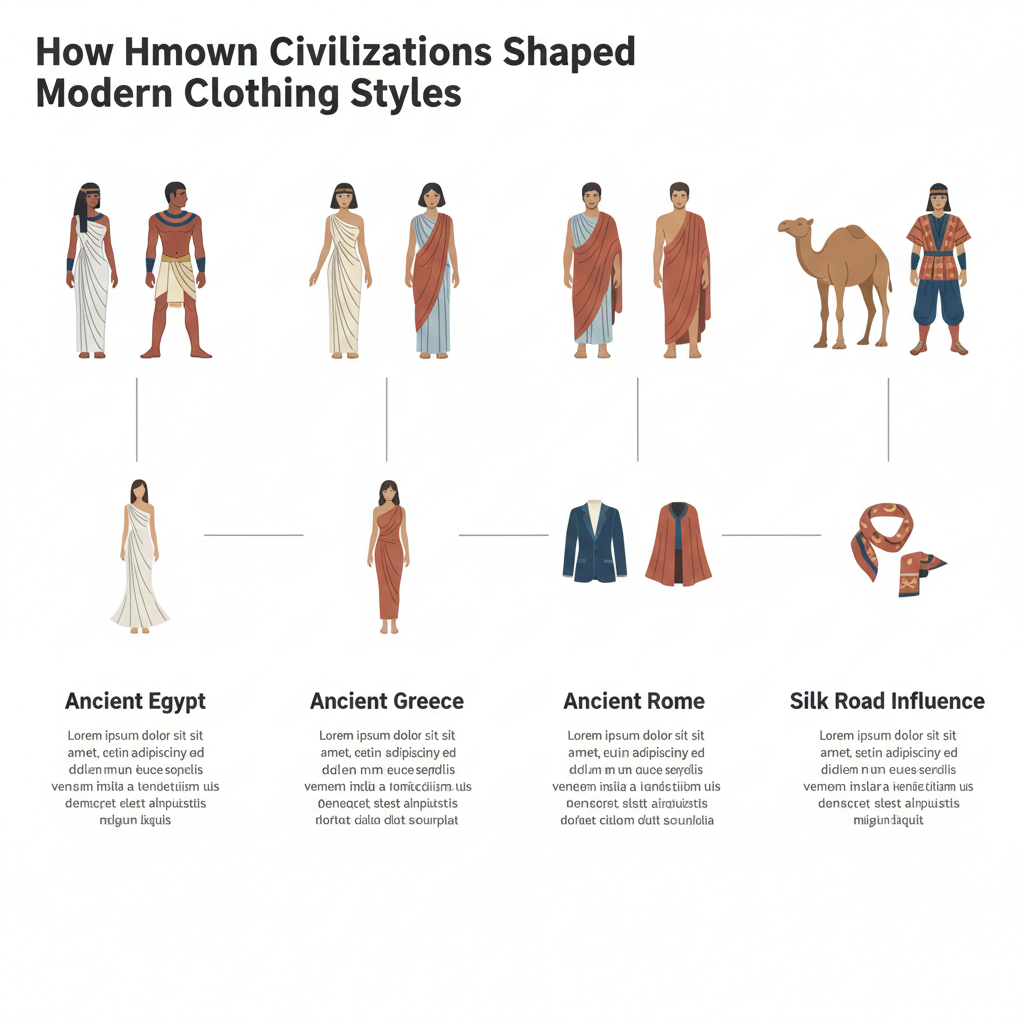
Ancient Mediterranean cultures favored draped silhouettes created by wrapping fabric around the body. The Greek chiton and Roman toga exemplified this approach, creating flowing lines that moved with the wearer. When Mediterranean traders encountered Central Asian fitted garments, they initially found them exotic and impractical.
But practicality often wins. As trade increased between sedentary and nomadic peoples, fitted garments gradually gained acceptance for specific activities. The silhouette of a Roman citizen might vary depending on context—draped togas for civic life, fitted tunics for travel or military service.
Chinese clothing silhouettes underwent their own evolution through trade contact. Traditional Han Chinese robes featured wide sleeves and flowing lines. Encounters with northern nomadic peoples introduced more fitted styles, particularly for the upper body. Over centuries, Chinese fashion absorbed these influences while maintaining distinct characteristics.
How body shapes influence clothing silhouettes played a role too. Different cultures had varying ideals about the human form, and trade exposed people to alternative aesthetic standards. Persian fashions emphasized a trim waistline achieved through tailored garments, while Indian styles often featured wrapped silhouettes that accommodated different body types without alteration.
Trade also spread specific garment types that influenced overall silhouettes. The caftan, originating in Central Asia, became popular across a vast geographic area because its basic shape worked in multiple climates with various fabrics. From Morocco to China, variations of this garment appeared, each culture adapting the silhouette to local preferences while maintaining the fundamental design.
Women’s silhouettes evolved particularly dramatically through trade influence. Garment shapes that emphasized or concealed different body parts moved between cultures, sometimes shocking local populations before gradually gaining acceptance. The exposure to foreign styles gave people new options for self-presentation and identity expression.
Trade Influence on Identity and Social Expression
Clothing has always communicated social information, and trade routes amplified this function by introducing luxury materials and foreign styles that became status symbols. The ability to wear silk from China or cotton from India immediately signaled wealth and cosmopolitan connections.
Purple dye provides a classic example. Produced from Mediterranean mollusks through a labor-intensive process, purple-dyed fabric became synonymous with imperial power in Rome. The expense of obtaining and using this dye meant that purple garments served as unmistakable status markers. Trade networks ensured that knowledge of purple’s significance spread far beyond Rome’s borders.
Luxury fabrics created new social hierarchies. In societies where clothing had previously been relatively uniform, the arrival of expensive imported textiles allowed elites to visually distinguish themselves. Sumptuary laws emerged in various cultures, attempting to regulate who could wear certain fabrics or colors, but trade made such regulations increasingly difficult to enforce.
What clothing says about identity in modern society has deep historical roots in these trade-era developments. The practice of using clothing to signal affiliation, wealth, and values began accelerating when trade exposed people to multiple style options. Choosing to wear foreign versus domestic styles became a statement about one’s outlook and allegiances.
Cultural identity found complex expression through clothing as trade intensified. Some communities embraced foreign styles enthusiastically, while others resisted, seeing traditional dress as essential to cultural continuity. Often, hybrid styles emerged—garments that incorporated foreign elements while maintaining local characteristics.
Religious and ethnic identity also intertwined with clothing choices influenced by trade. Jewish communities across the diaspora maintained certain dress traditions while adapting to local norms, creating distinctive regional variations. Muslim dress codes evolved differently across the vast Islamic world, influenced by local climates, available materials, and contact with non-Muslim cultures through trade.
How clothing affects confidence and human psychology gained new dimensions through trade. Access to prestigious foreign garments could elevate an individual’s self-perception and how others treated them. A merchant who returned from distant lands wearing exotic fabrics gained social capital beyond mere wealth—they embodied connection to the wider world.
From Ancient Trade to Modern Global Fashion
The patterns established by ancient trade routes laid groundwork for today’s globalized fashion industry. While technology has accelerated the pace, the fundamental dynamics remain recognizable: materials and ideas flow between cultures, hybrid styles emerge, and clothing serves as a medium for identity expression.
How streetwear changed modern dressing habits represents a contemporary version of ancient trade’s influence on fashion. Just as merchants once carried Persian coat styles to Chinese markets, today’s global media spreads streetwear aesthetics from New York and Tokyo to every continent. The speed differs, but the process of cultural exchange through clothing continues.
The rise of athleisure clothing trends demonstrates how practical innovations spread globally, much like Central Asian riding pants once influenced sedentary civilizations. Athleisure merges performance fabrics developed for sports with everyday styling—a hybrid category that has conquered markets worldwide precisely because it serves contemporary needs while remaining fashion-forward.
Modern fast fashion accelerates the exchange that trade routes once facilitated slowly. A garment design emerging in Seoul can reach global markets within weeks, creating a pace of cultural exchange that ancient merchants couldn’t imagine. Yet the underlying human impulses—the desire for novelty, the appeal of foreign aesthetics, the use of clothing for identity expression—remain unchanged.
Sustainability concerns in contemporary fashion echo ancient realities. Before industrial production, clothing required significant labor and resources. Garments were valuable, often repaired and altered rather than discarded. Some modern designers and consumers are rediscovering the value of durable, well-made clothing that ancient trade-era garments exemplified.
Digital technology now creates virtual trade routes. Online platforms connect designers, manufacturers, and consumers across borders with unprecedented efficiency. A small producer in India can reach customers worldwide, much as ancient Indian cotton traders once supplied distant markets, though now the intermediaries have changed.
Cultural appropriation debates reflect long-standing tensions about borrowing styles across cultures. These discussions would likely be familiar to ancient peoples who navigated questions about adopting foreign dress. The difference is modern awareness of power imbalances and the speed at which cultural exchange occurs.
Trade Routes as the Global Engine of Fashion Evolution
Trade routes functioned as more than economic arteries—they served as channels for cultural dialogue expressed through clothing. Every merchant carrying fabric samples, every traveler wearing foreign garments, and every artisan adapting foreign techniques participated in a conversation that reshaped how humans dress.
The influence of trade on clothing evolution reveals fundamental truths about human creativity and connection. We’ve always been drawn to new materials, impressed by foreign aesthetics, and willing to adopt practical innovations regardless of origin. Clothing serves as a particularly visible record of these exchanges, literally wearing cultural contact on our bodies.
Understanding this history enriches appreciation for modern fashion’s global nature. The jeans you wear, the cotton shirt in your closet, and the silk scarf hanging in your wardrobe all descend from trade-era exchanges that connected distant civilizations. Every garment tells a story of movement, adaptation, and cultural blending.
This legacy continues shaping fashion’s future. As we consider why humans started wearing clothes and speculate about the future of human clothing in a digital world, trade’s influence remains central. Whether clothing becomes more globalized or local identities reassert themselves through dress, the conversation between cultures that trade routes initiated will continue defining how humans express themselves through what they wear.
The merchants who once guided camel caravans across Central Asian deserts or sailed monsoon winds to distant ports couldn’t have imagined their full impact. But by carrying textiles, techniques, and styles between civilizations, they wove together human cultures in ways that permanently altered our material and social worlds.