



Functional vs Symbolic Clothing in Early Tribes


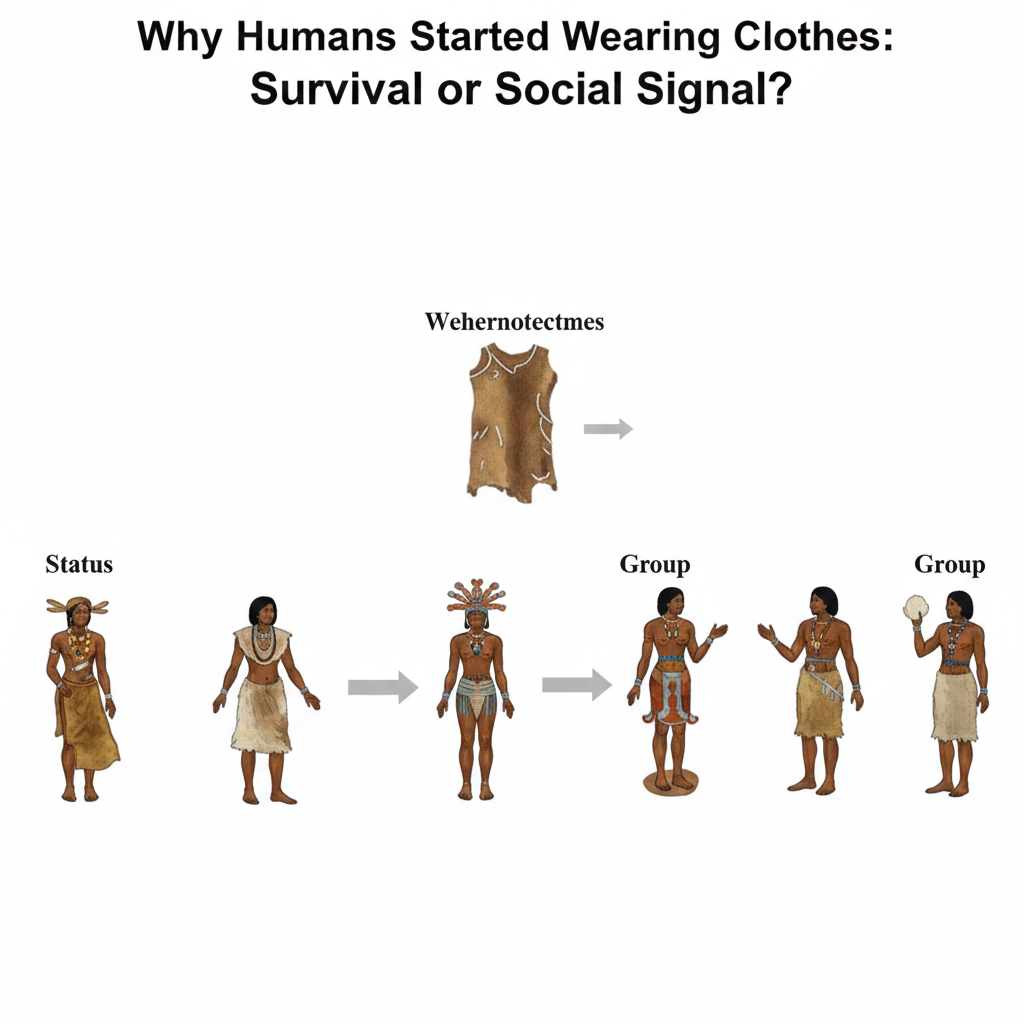
For early humans, clothing was never just about covering the body. Long before fashion became a cultural force, garments served two essential purposes: protecting people from their environment and signaling who they were within their communities. Understanding why humans started wearing clothes requires looking beyond simple survival instincts to the deeper social structures that shaped early tribal life.
The earliest clothing choices reflected a delicate balance between practicality and meaning. A hunter needed mobility and warmth, but also wanted to display their status or spiritual beliefs. This dual nature of clothing—functional yet symbolic—laid the foundation for how humans relate to what they wear even today.
This tension between utility and identity reveals much about our ancestors’ cognitive development and social complexity. The role of modesty in early clothing was just one factor among many that influenced how tribes dressed. More often, choices came down to immediate survival needs intersecting with the desire to communicate rank, allegiance, or spiritual connection.
As we explore how early tribes navigated these priorities, we’ll see that clothing evolution was never linear. Different environments demanded different solutions, and varied cultural values produced strikingly different results. This exploration connects directly to the broader [human clothing origins hub](Origins Hub), offering context for the diverse approaches humans took across continents and millennia.
Functional Clothing for Survival and Environment
Early tribes faced harsh realities that demanded practical solutions. Cold nights, scorching days, thorny vegetation, and dangerous terrain all required protective barriers between skin and the elements. Functional clothing emerged from these necessities, shaped by geography and available resources.
Climate Protection and Mobility
In regions experiencing extreme temperature fluctuations, clothing became essential for survival. Archaeological evidence from ice age sites shows that early humans crafted fitted garments from animal hides, designed to trap body heat while allowing freedom of movement during hunts. The relationship between climate vs culture in early clothing demonstrates how environmental pressures shaped early design choices.
Northern tribes developed layered clothing systems that could be adjusted based on activity level and weather conditions. Outer layers made from thick furs provided insulation, while inner layers of softer materials prevented chafing during movement. These garments required sophisticated understanding of material properties and body mechanics.
Tropical populations faced different challenges. Rather than insulation, they needed protection from sun exposure, insects, and vegetation without overheating. Lightweight wraps and strategic coverings emerged as solutions. The contrast in clothing in ice age vs tropical regions illustrates how dramatically environment influenced early garment design.
Footwear development followed similar patterns. Hard-soled foot coverings protected against rocky terrain in mountainous regions, while marsh-dwelling tribes developed water-resistant wrappings. Each innovation addressed specific environmental hazards while maintaining the mobility essential for food gathering and tribal movement.
Hunting and Daily Activities
Beyond climate protection, clothing needed to support the physical demands of daily survival. Hunters required garments that wouldn’t restrict arm movement during spear throws or bow draws. Gatherers needed pockets or pouches to carry collected foods and tools. These functional requirements drove ongoing refinement of garment construction.
The animal skins used in early garments varied based on hunting success and regional fauna. Deer hide offered flexibility and durability. Bear fur provided warmth. Bird feathers could be woven for water resistance. Each material brought specific advantages and limitations that influenced how it was incorporated into clothing.
Processing these materials required significant labor and skill. Hides needed to be cleaned, stretched, and treated to remain supple. Sinew had to be extracted and dried for use as thread. These processes meant clothing represented substantial investment of time and resources, making each piece valuable beyond its immediate utility.
Repair and maintenance became essential skills passed down through generations. A torn garment in harsh conditions could mean the difference between survival and death. Tribes developed techniques for patching, reinforcing stress points, and extending the lifespan of crucial protective gear.
Symbolic Clothing and Tribal Identity
While survival needs drove basic garment development, early humans quickly recognized clothing’s potential as a communication tool. What people wore signaled their place in the social hierarchy, their achievements, and their spiritual beliefs. This symbolic dimension added layers of meaning to every clothing choice.
Status and Decoration
Within tribal structures, certain individuals held privileged positions—leaders, skilled hunters, spiritual guides, or elders. Their clothing often reflected this status through distinctive features: rare materials, elaborate decoration, or colors difficult to produce. These visual markers reinforced social order and made hierarchies immediately recognizable.
Decorated clothing required additional labor beyond basic garment construction. Shells might be collected from distant shores and laboriously perforated for stringing. Dyes extracted from specific plants demanded knowledge of gathering seasons and preparation techniques. Feathers from particular birds carried symbolic weight beyond their aesthetic appeal.
The relationship between body decoration before clothing and later garment embellishment shows how tribes transferred existing status signals onto fabric and hide. Patterns once painted on skin became stitched into leather. Ornaments hung from piercings evolved into attachments on garments.
Gender distinctions often manifested through clothing differences, though these varied dramatically between tribes. Some cultures used garment styles to mark coming-of-age transitions. Others employed specific accessories to indicate marital status or reproductive capability. These symbolic systems created visual languages specific to each community.
Ritual and Cultural Expression
Many tribes imbued certain garments or accessories with spiritual significance. Ceremonial clothing worn during rituals often incorporated materials believed to hold supernatural properties. Shamans might wear specific animal skins thought to channel that creature’s spirit. Warriors preparing for conflict donned symbolic protection.
These ritual garments weren’t always practical for daily wear. They might be heavy, restrictive, or fragile. Their purpose was communication with spiritual forces or commemoration of significant events rather than environmental protection. This willingness to sacrifice functionality for symbolic power demonstrates clothing’s importance beyond survival.
Tribal celebrations and rites of passage often featured distinctive dress. Birth ceremonies, death rituals, seasonal festivals, and victory celebrations each had associated clothing traditions. These garments created visual continuity with past generations and reinforced shared cultural identity.
The prehistoric clothing differences between neighboring tribes sometimes stemmed more from symbolic preferences than functional requirements. Groups living in similar climates might develop entirely different garment styles based on their unique cultural values, origin stories, or spiritual beliefs.
The Balance Between Function and Design
Early humans didn’t view practicality and aesthetics as opposing forces. Instead, they developed sophisticated approaches that honored both needs simultaneously. A well-crafted garment protected the body while also serving as a canvas for cultural expression.
Decorative elements often reinforced structural components. Beadwork along seams added visual interest while strengthening stress points. Fringe cut into hide edges prevented tearing while creating movement and texture. Dyed patterns camouflaged repairs while displaying the maker’s skill.
Tool development supported both functional and symbolic clothing advancement. When humans started designing clothes with intention, they needed implements for precise cutting, joining, and decoration. The evolution of early sewing tools enabled increasingly complex garment construction that served multiple purposes.
Bone needles allowed for tighter, more durable seams that better excluded cold and moisture. Sharper awls created cleaner holes for decorative threading. Each technical improvement opened new possibilities for both protection and expression. Function enabled symbolism, which in turn motivated functional refinement.
Tribes also developed techniques for modifying materials to serve dual purposes. Leather could be smoked for water resistance while gaining a distinctive color. Furs might be arranged with the hair facing inward for warmth or outward for display. Plant fibers could be woven loosely for ventilation or tightly for protection.
This integration of form and function reveals sophisticated understanding of materials, environment, and social dynamics. Early clothing makers thought holistically about their creations, considering how each choice affected both the wearer’s physical comfort and their social position.
Influence on Ancient Civilizations and Fashion History
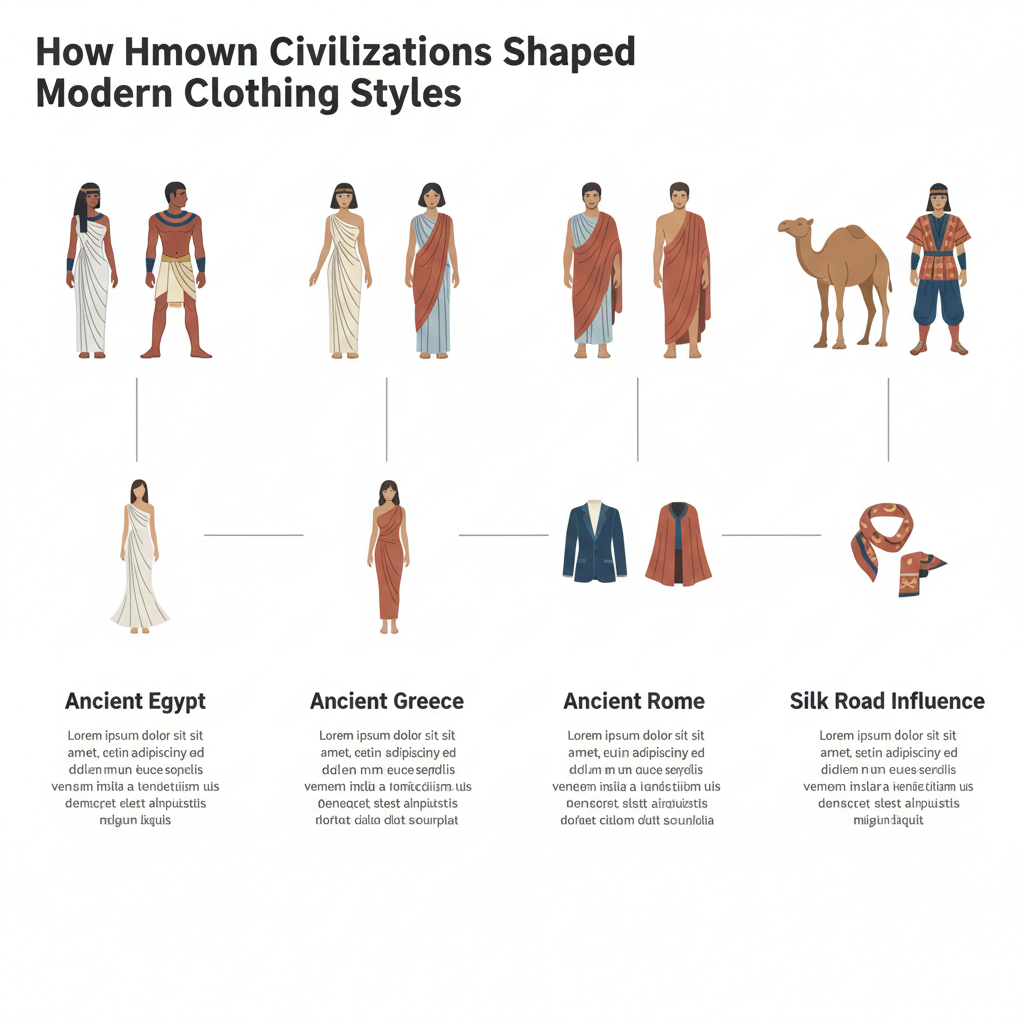
The clothing principles established by early tribes didn’t disappear as humans developed more complex societies. Instead, they evolved and expanded, laying groundwork for the elaborate fashion systems of later civilizations.
As tribes settled into agricultural communities and eventually urban centers, the symbolic dimension of clothing grew increasingly sophisticated. The basic premise—that garments communicate identity—remained constant even as the specific messages became more nuanced. Ancient civilizations shaping clothing styles built directly on tribal foundations of functional and symbolic dress.
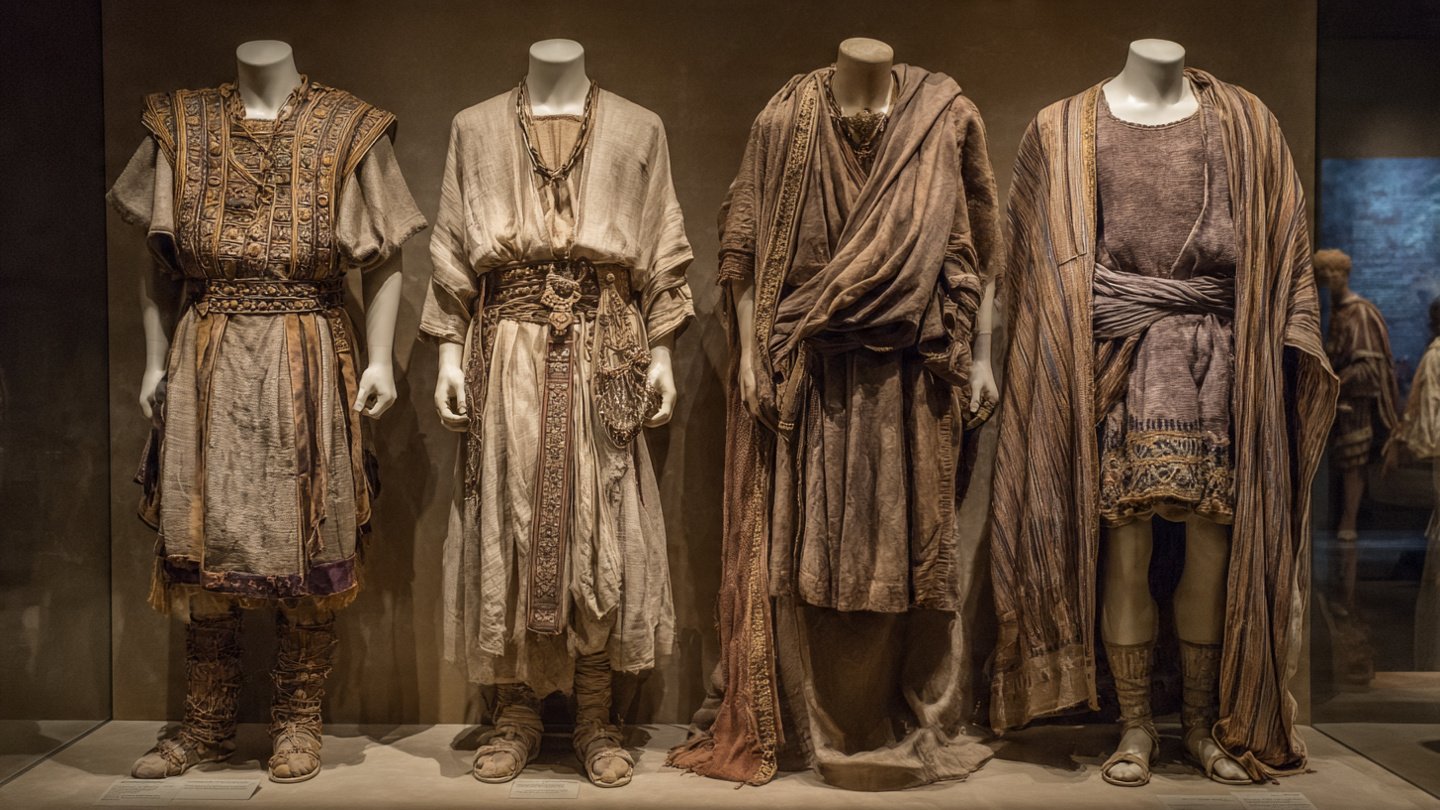
Early textile development emerged from tribal fiber-working techniques. Weaving, initially used for baskets and shelters, was adapted for creating cloth. This technological shift didn’t eliminate the dual nature of clothing; it amplified the possibilities for both functional innovation and symbolic expression.
Trade networks allowed materials to travel far from their origins, creating new status hierarchies based on access to exotic fabrics, dyes, and decorations. A garment’s value came to depend not just on local craftsmanship but on the resources required to create it. This economic dimension added another layer to what clothing says about identity.
Written records from early civilizations reveal codified dress codes that formalized what had been tribal customs. Sumptuary laws regulated who could wear certain materials or colors based on social class. Religious texts prescribed specific garments for ceremonial contexts. These rules systematized the symbolic functions clothing had served in tribal settings.
Military uniforms, royal regalia, and professional vestments all descended from tribal practices of using clothing to signal role and rank. The human impulse to communicate through dress—established in prehistoric tribes—proved fundamental to how complex societies organized themselves.
From Tribal Function to Cultural Fashion
The story of functional versus symbolic clothing in early tribes isn’t about competition between two purposes. It’s about their integration into a unified system where protection and communication worked together. Every garment choice reflected both environmental realities and cultural values.
Understanding this dual nature helps explain why clothing remains such a powerful force in human society. We’ve inherited both the practical need for environmental protection and the deep-seated desire to use dress as a form of expression. Modern fashion continues this ancient tradition, even when most people face far less severe survival challenges than our ancestors did.
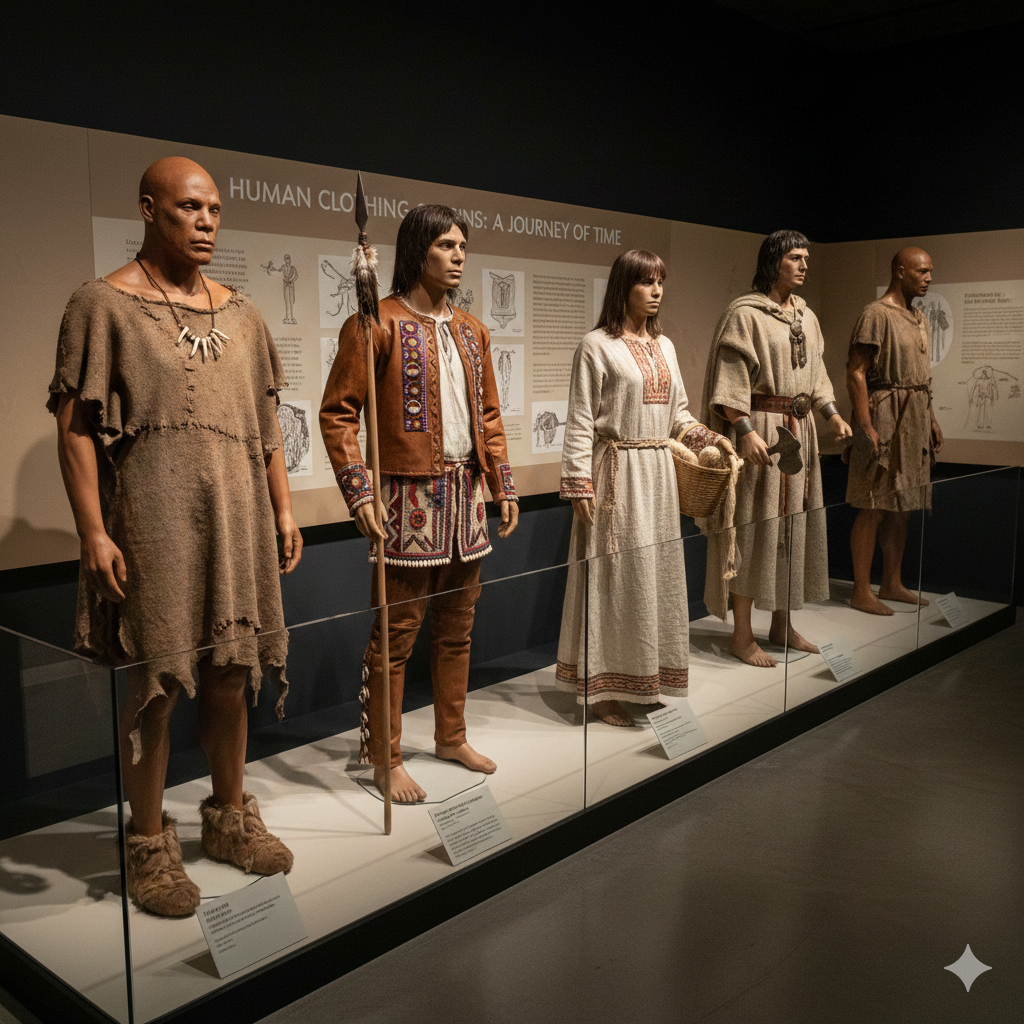
The human clothing evolution journey began with these early tribes balancing function and symbolism. Their innovations in garment construction, material processing, and decorative techniques established patterns that persist across cultures and centuries. The history of clothing evolution shows how these fundamental principles adapted to changing technologies and social structures while maintaining their core purposes.
Clothing will always serve both body and identity. The tribes who first wrapped themselves in animal skins understood this instinctively, creating garments that protected them from their world while declaring their place within it.