



Did Men and Women Dress Differently in Prehistoric Times?
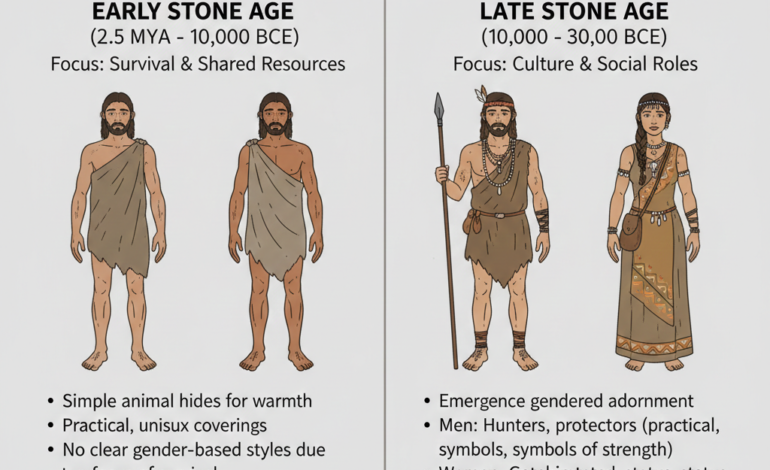

When we think about prehistoric humans, we often imagine fur-clad figures trudging through harsh landscapes. But did these early people already differentiate their clothing by gender? The answer is more complex than you might expect.
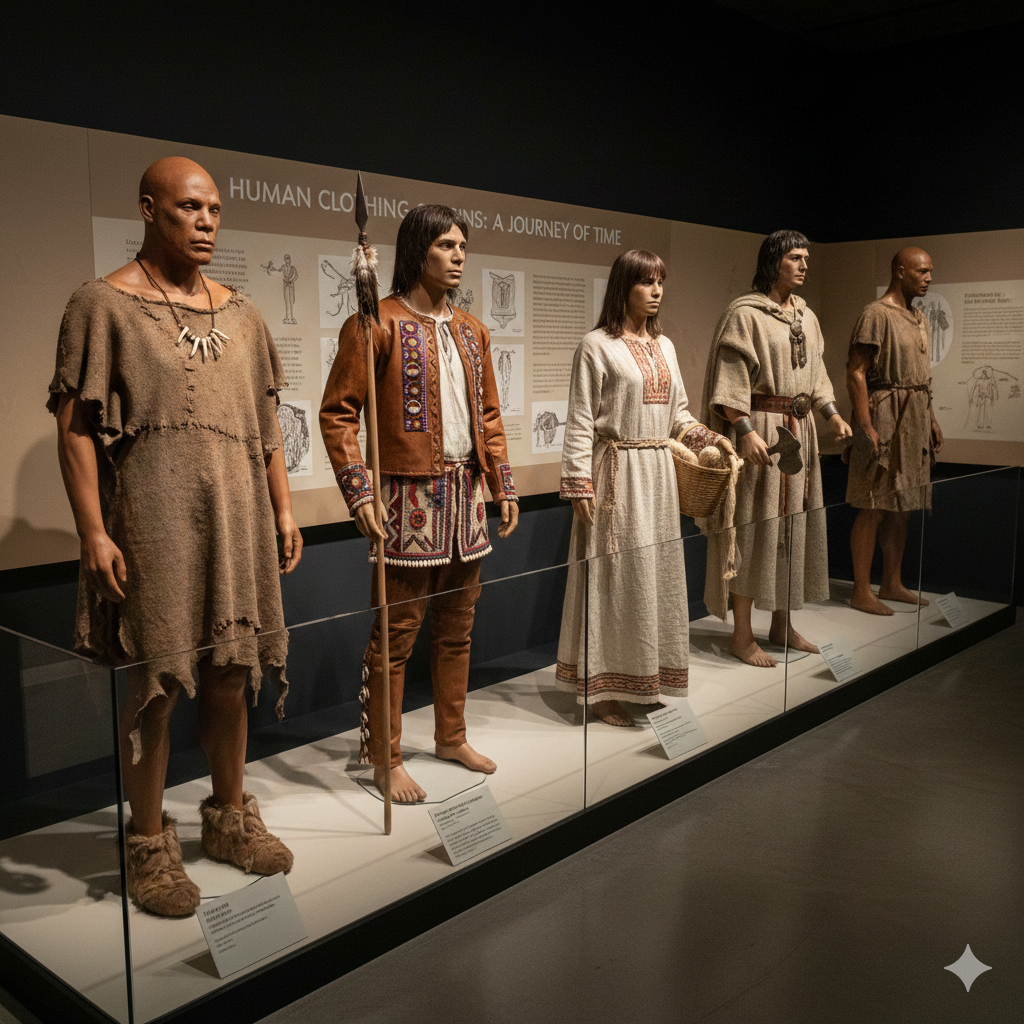
Understanding prehistoric clothing requires us to set aside modern assumptions about gender roles and fashion. Archaeological evidence is limited—fabrics and soft materials rarely survive thousands of years—so researchers must piece together clues from cave paintings, burial sites, tools, and studies of contemporary hunter-gatherer societies.
What we do know is that early humans faced immediate survival challenges. Protection from the elements, safety during hunting, and warmth during ice ages dominated their priorities. Any clothing distinctions that existed likely emerged from practical needs rather than social conventions.
This exploration reveals how environmental pressures, social roles, and symbolic practices shaped what our ancestors wore, and how these ancient decisions laid the groundwork for later gendered fashion traditions.
Survival Needs vs Social Roles in Early Garments
Prehistoric clothing served one primary purpose: survival. Before humans could consider fashion or social signaling, they needed protection from the environment. This fundamental requirement shaped early garment design far more than any gender considerations.
Functional Clothing for Hunting and Gathering
Different tasks required different clothing solutions. Men in many prehistoric societies typically engaged in hunting large game, which demanded mobility, durability, and protection from potential injuries. Their garments needed to withstand running, climbing, and confrontations with dangerous animals.
Women, who often gathered plant foods, cared for children, and processed materials near settlements, required clothing that allowed flexibility for different tasks. They needed garments that facilitated bending, carrying, and working with their hands while still providing adequate protection.
However, these divisions weren’t absolute. Archaeological evidence suggests significant overlap in tasks across genders in many prehistoric communities. Some women hunted, and some men gathered. The recent discovery of a 9,000-year-old female hunter buried with big-game hunting tools in Peru challenges long-held assumptions about rigid prehistoric gender roles.
The clothing differences that did exist likely reflected the specific activities individuals performed rather than strict gender categories. A woman who regularly hunted would need similar clothing to a male hunter. A man who spent time processing hides would benefit from the same protective garments as women doing similar work.
Environmental Adaptation for All Humans
Climate shaped clothing choices more powerfully than gender. Humans who migrated to colder regions needed insulating layers, regardless of their sex. Those in warmer climates could manage with minimal coverings.
The Ice Age, which lasted from about 2.6 million years ago until roughly 11,700 years ago, forced all humans to develop sophisticated cold-weather clothing. Evidence from this period shows that both men and women wore layered garments made from animal skins, fur, and eventually woven plant materials.
In tropical and subtropical regions, clothing served different functions. Minimal garments protected against sun exposure, insects, and scratches from vegetation. Both sexes likely wore similar simple coverings—if they wore anything at all.
Coastal communities developed water-resistant garments for fishing and marine activities. Arctic peoples created specialized cold-weather gear with remarkable insulation properties. Desert dwellers fashioned loose, light-colored clothing to reflect heat. These adaptations applied to all members of the community who engaged in these activities.
The archaeological record suggests that environmental demands created far more clothing variation between different geographic groups than between genders within the same group.
Anthropological Evidence About Gendered Clothing
Reconstructing prehistoric clothing practices requires detective work. Researchers combine multiple sources of evidence to build a picture of what early humans wore and why.
Archaeological Discoveries
Physical evidence of prehistoric clothing is remarkably scarce. Organic materials decompose quickly, leaving little behind for archaeologists to study. What survives tells us fascinating stories.
Tools for making clothing—bone needles, scrapers, and cutting implements—appear in the archaeological record starting around 40,000 years ago. These tools show that humans had developed sophisticated clothing construction techniques. However, they don’t reveal much about whether men and women wore different styles.
Burial sites offer more direct clues. Some graves contain bodies adorned with specific items that might indicate gender-specific dress practices. A burial in Russia dating back 34,000 years contained an adult and two children wearing elaborate beaded clothing. The thousands of ivory beads suggest significant time investment in decoration, but researchers debate whether the patterns indicate gender distinctions or status markers.
Cave paintings and rock art provide visual evidence, though interpretation remains challenging. Some images show human figures with different body coverings, but determining whether these differences reflect gender, status, age, or specific activities is difficult.
The famous “Venus figurines”—small statues of women created between 35,000 and 40,000 years ago—sometimes depict what appear to be woven bands, skirts, or other garments. However, many archaeologists caution against reading too much into these artistic representations.
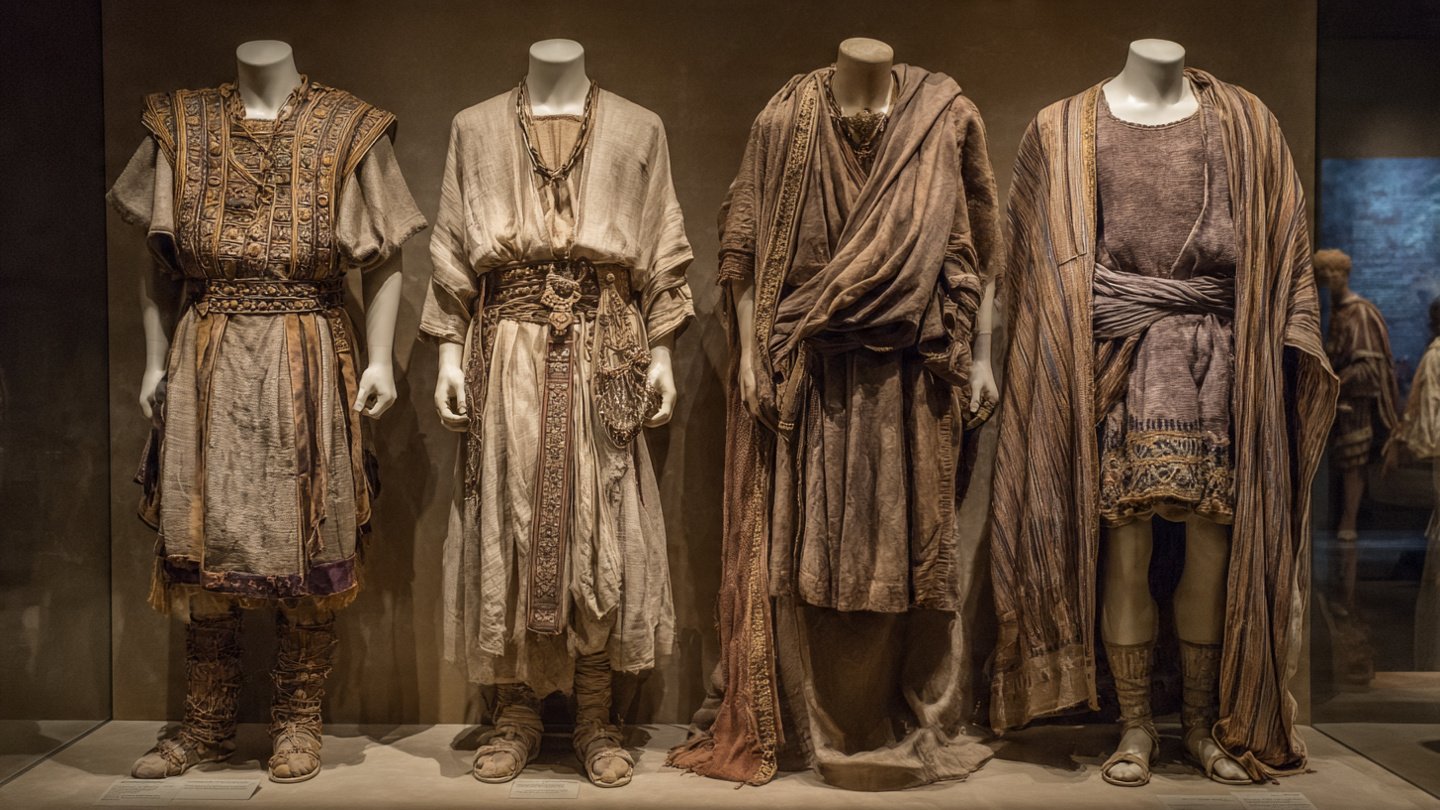
Preserved bodies offer the most direct evidence. Ötzi the Iceman, a 5,300-year-old mummy discovered in the Alps, wore a sophisticated outfit including a cloak, leggings, shoes, and a hat—all carefully constructed from various animal skins. While Ötzi is male, his clothing reveals the level of sophistication possible in prehistoric garment construction.
Tribal and Cultural Interpretations
Anthropologists study contemporary hunter-gatherer societies to understand possible prehistoric practices. While no modern group perfectly represents prehistoric life, these communities offer insights into how pre-industrial societies organize clothing practices.
Some indigenous societies show little gender differentiation in clothing. The Hadza people of Tanzania, for example, traditionally wore minimal, similar garments regardless of gender. Other groups developed more distinct styles, often tied to specific ceremonies or life stages rather than everyday wear.
The !Kung San people of the Kalahari traditionally wore simple leather garments. Both men and women used similar materials and construction methods, with differences appearing primarily in decorative elements rather than basic garment structure.
Many Native American groups before European contact showed varying degrees of gendered clothing. Some nations had distinct male and female dress traditions, while others showed minimal differentiation. These variations often correlated with climate, available materials, and specific cultural practices rather than universal patterns.
Australian Aboriginal societies developed diverse clothing practices adapted to their environments. In some regions, both sexes wore minimal clothing. In colder areas, kangaroo skin cloaks served everyone. Decorative elements—body paint, scarification, and ornaments—played larger roles in expressing identity than structured garments.
These modern examples suggest that prehistoric societies likely showed similar diversity. Some groups probably developed gendered clothing distinctions, while others maintained more uniform practices.
Decoration, Symbolism, and Early Identity Signals
Even when basic clothing remained similar across genders, decoration and adornment often differed. These distinctions may represent the earliest forms of gendered dress.
Beads, shells, carved bones, and other ornamental items appear in archaeological sites dating back tens of thousands of years. Some burial sites show different ornament patterns associated with different sexes, suggesting that decorative practices might have varied by gender even when basic clothing did not.
Body modification practices—scarification, tattooing, and body painting—could have served as gender markers. While these modifications don’t survive in the archaeological record as clearly as durable items, some cave paintings and preserved bodies offer hints about these practices.
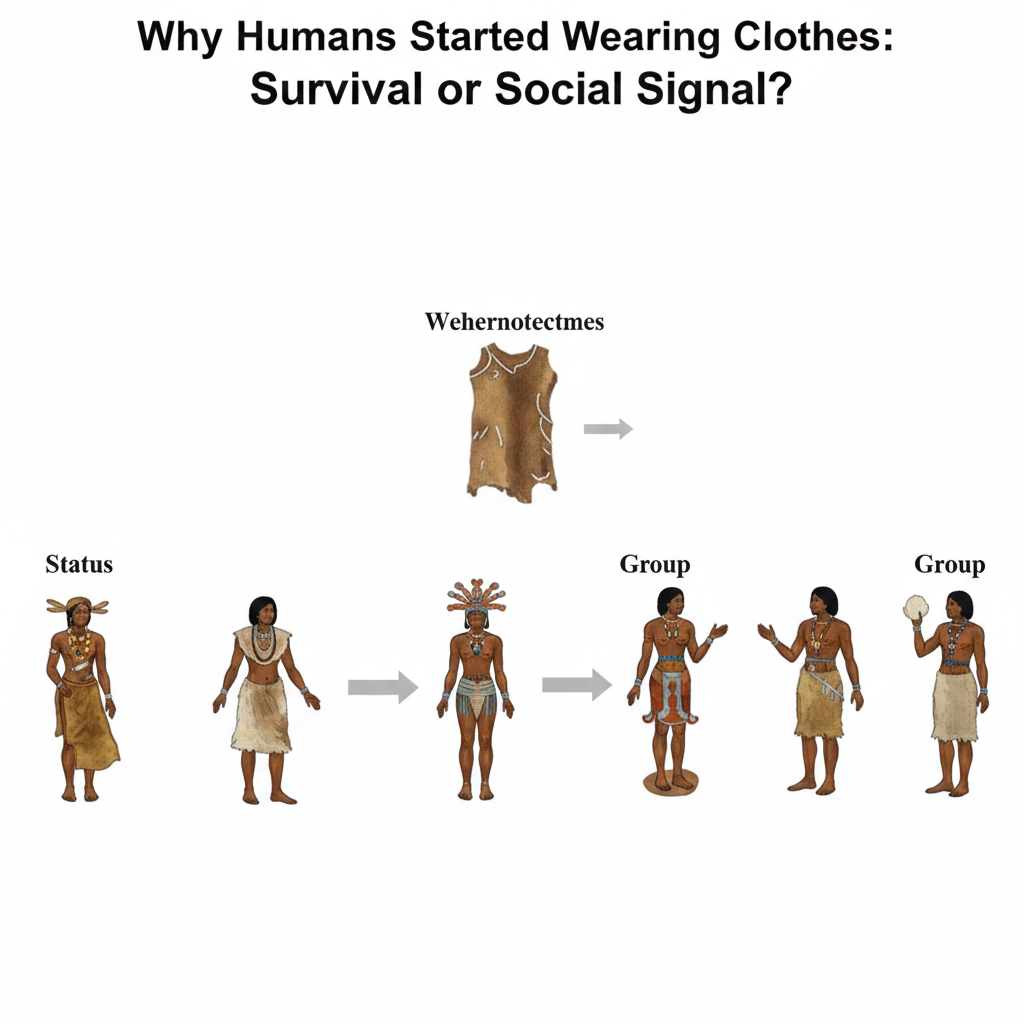
The symbolic meaning of decoration likely varied by culture. Some ornaments might have indicated gender, while others signaled age, status, tribal affiliation, or personal achievements. A woman’s necklace might show her marriage status, just as a man’s headdress might display his hunting prowess.
Hair arrangements and head coverings potentially served as gender markers in some societies. While hair itself rarely preserves, depictions in art and specialized tools like combs suggest that prehistoric peoples invested time in hair styling.
These decorative practices represent an important transition point. As humans developed more complex social structures, they created visual systems to communicate identity information. Gender might have been one category among many—alongside age, clan membership, leadership roles, and spiritual status—that prehistoric peoples expressed through appearance.
How Prehistoric Clothing Influenced Modern Gendered Fashion
The clothing practices of prehistoric peoples laid foundations that echo through history into modern times. While we can’t draw direct lines from Ice Age garments to contemporary fashion, certain patterns emerged early and persisted.
As humans transitioned from nomadic hunter-gatherer lifestyles to settled agricultural communities, clothing became more complex and differentiated. The Neolithic Revolution, beginning around 10,000 BCE, brought new technologies like weaving and more permanent settlements where specialized craftspeople could develop distinct clothing traditions.
Early agricultural societies showed increased gender differentiation in clothing. This shift likely reflected changing social structures rather than environmental needs. As societies developed more rigid gender roles, clothing became a tool for reinforcing these distinctions.
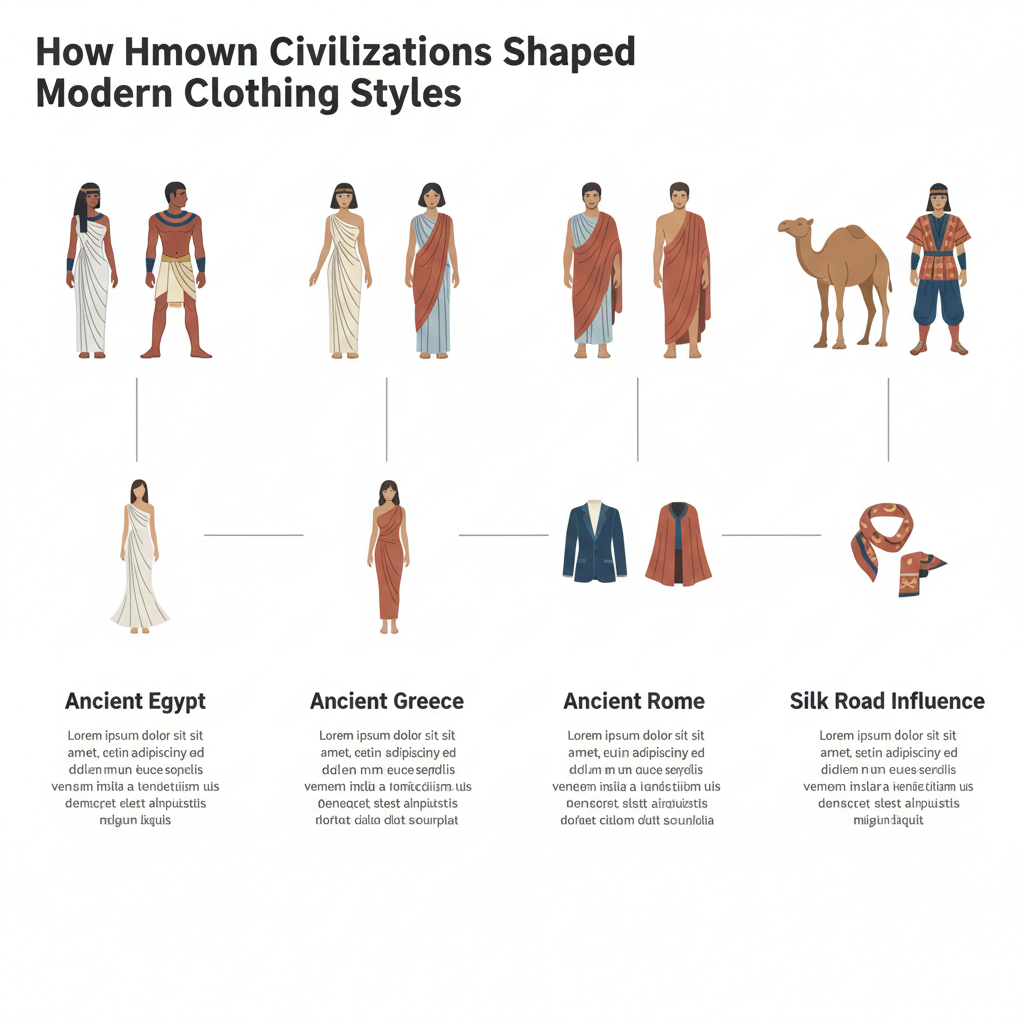
Ancient civilizations like Egypt, Mesopotamia, and the Indus Valley developed clearly gendered clothing styles. Men and women wore distinctly different garments that signaled their social roles. These traditions built upon—and diverged from—the more functional clothing of earlier periods.
The key difference between prehistoric and later historical clothing lies in the reasons for differentiation. Prehistoric variations emerged primarily from functional needs and available materials. Later societies used clothing strategically to communicate social categories and enforce cultural norms.
Understanding this progression helps us recognize that strongly gendered clothing is a relatively recent cultural development, not an inevitable outcome of human nature. The flexibility and diversity of prehistoric clothing practices remind us that many of our modern assumptions about appropriate dress for different genders are cultural constructs rather than biological necessities.
Understanding Gender in the Origins of Clothing
The question of whether men and women dressed differently in prehistoric times doesn’t have a simple yes or no answer. The evidence suggests a more nuanced reality: some differences likely existed, but they were subtler, more variable, and more tied to function than the gendered clothing distinctions we see in later historical periods.
Prehistoric humans prioritized survival over symbolism. Their clothing choices reflected immediate environmental challenges, available materials, and specific tasks. Any gender-based distinctions probably emerged gradually and varied significantly between different communities.
The archaeological record shows us that prehistoric peoples were remarkably adaptive and creative in their clothing practices. Rather than following rigid rules, they developed solutions that worked for their specific circumstances. This flexibility allowed humans to inhabit diverse environments across the globe.
Modern discussions about gender and clothing often look to the past for justification. Some argue that gendered dress is “natural” or “traditional.” However, the prehistoric evidence suggests that strong clothing differentiation by gender is actually a relatively recent cultural development, not an ancient human universal.
By studying how our ancestors approached clothing, we gain perspective on our own practices. The prehistoric past reminds us that practical needs and cultural meanings can both shape what we wear, and that the balance between these factors changes across time and place.
The story of human clothing is ultimately a story of innovation, adaptation, and diversity—qualities that served our prehistoric ancestors well and continue to define human culture today.
Read related articles:
Why Humans Started Wearing Clothes Survival Or Social Signal
The Role Of Modesty In The Birth Of Clothing
Climate Vs Culture What Really Created The First Clothes
How Ancient Civilizations Shaped Modern Clothing Styles
What Clothing Says About Identity In Modern Society