

How Streetwear Changed Modern Human Dressing Habits
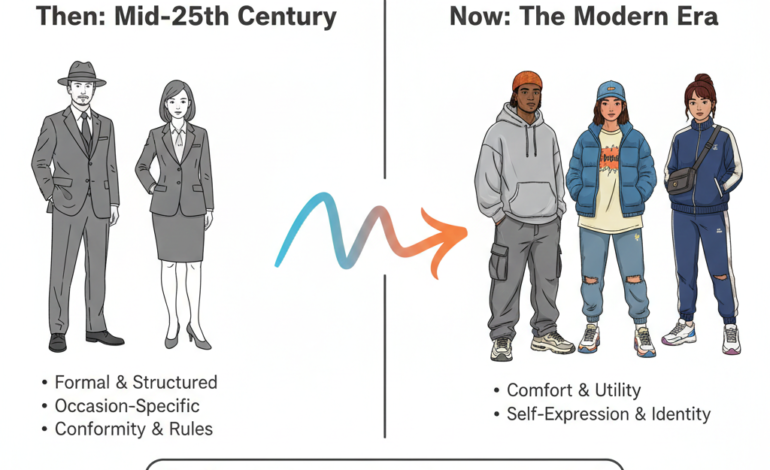

Clothing no longer follows the rules it once did. There was a time when getting dressed meant adhering to structure—blazers had shoulder pads, pants had pleats, and casual meant something very different than it does now. But over the past few decades, a shift occurred. Fashion stopped being dictated solely by runways and department stores. It started coming from the streets.
Streetwear didn’t just introduce new brands or aesthetics. It fundamentally altered how humans think about getting dressed. It blurred the lines between formal and casual, between luxury and accessibility, and between clothing as necessity and clothing as identity. What began in skate parks and underground hip-hop scenes became a global movement that reshaped modern dressing habits across cultures, age groups, and income levels.
Understanding how streetwear evolved helps explain why we dress the way we do today. It’s not just about hoodies and sneakers—it’s about comfort, self-expression, and the democratization of style. This shift reflects broader changes in how people relate to clothing, moving away from rigid dress codes toward a more fluid, individualized approach to personal style.
The Cultural Origins of Streetwear
Streetwear didn’t emerge from fashion houses or design schools. It grew organically from subcultures that used clothing as a form of rebellion, identity, and community. These movements rejected mainstream fashion’s formality and exclusivity, creating their own visual languages that eventually influenced how everyone dresses.
Skate, Hip-Hop, and Youth Subcultures
Skateboarding culture in California during the 1970s and 1980s laid much of the groundwork for what we now recognize as streetwear. Skaters needed functional clothing—durable, loose-fitting pieces that allowed freedom of movement. Brands like Vans and Stüssy emerged to meet these needs, but they also became symbols of a broader attitude: anti-establishment, creative, and community-oriented.
Around the same time, hip-hop culture in New York City was developing its own distinctive style. Tracksuits, oversized t-shirts, gold chains, and sneakers weren’t just fashion choices—they were statements of identity and cultural pride. Artists like Run-DMC elevated brands like Adidas from sportswear to streetwear icons, proving that everyday clothing could carry significant cultural weight.
These youth subcultures shared a common thread: they used clothing to signal belonging while simultaneously rejecting the dress codes imposed by older generations and institutional authority. The clothing wasn’t aspirational in the traditional sense. It was accessible, comfortable, and rooted in real life rather than fantasy.
Global Influence on Everyday Clothing
As streetwear gained momentum, it spread beyond its American origins. Japanese designers like Hiroshi Fujiwara and Nigo brought their own interpretations, blending Western streetwear aesthetics with Japanese craftsmanship and attention to detail. British youth culture added punk and mod influences. Each region adapted streetwear to reflect local tastes while maintaining its core values of authenticity and self-expression.
This global exchange transformed streetwear from a niche movement into a universal language. It proved that cultural clothing influences through history could move horizontally across communities rather than vertically through class structures. By the 2000s, streetwear had infiltrated mainstream fashion, but it retained its subcultural credibility by staying rooted in community and creativity rather than exclusivity.
How Streetwear Changed Clothing Silhouettes
One of streetwear’s most visible impacts has been its transformation of what is a clothing silhouette means in everyday dressing. Traditional fashion emphasized tailored, body-conscious shapes. Streetwear challenged this by popularizing looser, more forgiving silhouettes that prioritized movement and comfort over structure.
Oversized Shapes
The oversized aesthetic became streetwear’s signature contribution to modern fashion. Baggy jeans, oversized hoodies, and extra-large t-shirts rejected the fitted silhouettes that dominated previous decades. This wasn’t carelessness—it was intentional design philosophy.
Oversized clothing served multiple purposes. Practically, it allowed for layering and movement, essential for activities like skateboarding or dancing. Symbolically, it represented a rejection of corporate dress codes and the body-conscious fashion that often felt restrictive or exclusionary. The oversized silhouette made fashion more democratic by downplaying body shape and focusing instead on attitude and styling.
This shift influenced designers at every level. High fashion brands began incorporating streetwear’s proportions into their collections. Luxury houses like Balenciaga and Vetements built entire aesthetics around exaggerated, oversized shapes. What started as functional youth clothing became a dominant silhouette in contemporary fashion.
Relaxed Fit and Comfort-Based Design
Beyond pure oversizing, streetwear introduced a broader emphasis on comfort-based design. Elastic waistbands, drawstrings, and stretchy fabrics became standard rather than special features. The distinction between activewear and everyday clothing began to dissolve, creating a new category of clothing designed for both style and ease.
This comfort-first approach represented a fundamental shift in priorities. Previous generations often accepted discomfort as the price of looking good—tight shoes, restrictive suits, uncomfortable undergarments. Streetwear rejected that trade-off entirely. Looking good and feeling comfortable weren’t mutually exclusive; they were equally important considerations in understanding clothing silhouettes that work for modern life.
Streetwear and the Shift Toward Casual Dressing
Perhaps streetwear’s most profound impact has been normalizing casual clothing in contexts that once demanded formality. Dress codes that seemed immutable just a generation ago have largely dissolved, and streetwear played a central role in that transformation.
The tech industry’s adoption of casual dress codes accelerated this shift. Silicon Valley entrepreneurs in hoodies and sneakers signaled that formality wasn’t necessary for success or professionalism. This message resonated globally, especially among younger workers who saw traditional business attire as outdated and unnecessary.
Streetwear also championed the idea that clothing could express identity rather than simply signal status or professionalism. A carefully chosen sneaker or a limited-edition hoodie could communicate taste, cultural awareness, and personal values more effectively than a generic suit. This shift toward identity-driven dressing gave individuals more agency in how they presented themselves to the world.
The rise of athleisure clothing trends further blurred boundaries between categories. Leggings, joggers, and technical fabrics moved seamlessly from gym to street to office. Streetwear normalized this fluidity, helping create a clothing landscape where context matters less and personal style matters more.
Social Media and the Spread of Modern Street Style
Streetwear’s evolution coincided with the rise of social media, and this timing wasn’t coincidental. Digital platforms gave streetwear a distribution network that previous fashion movements never had. Instagram, in particular, became essential for spreading street style globally and democratizing fashion influence.
Before social media, fashion trends moved slowly through established channels—magazines, stores, celebrity endorsements. Streetwear on Instagram moved instantly. A new sneaker release in Tokyo could be seen worldwide within minutes. Street style photos from one city influenced dressing habits in others almost immediately. This acceleration transformed how trends develop and spread.
Social media also changed who could influence fashion. You didn’t need to be a designer, model, or celebrity to shape how people dress. Regular individuals with strong personal style could build massive followings and impact trends just as significantly as traditional fashion authorities. This democratization aligned perfectly with streetwear’s anti-establishment ethos.
The visual nature of platforms like Instagram and TikTok particularly suited streetwear’s aesthetic. Bold graphics, interesting silhouettes, and creative styling photographed well, giving streetwear natural advantages in social media algorithms. This visibility created feedback loops where popular styles gained more exposure, accelerating their adoption.
Digital culture also reinforced streetwear’s connection to identity and community. Online communities formed around specific brands, styles, or subcultures, allowing people to find others who shared their aesthetic interests regardless of geography. This global connectivity strengthened streetwear’s influence while maintaining the sense of belonging and authenticity that defined it from the beginning.
The relationship between clothing and identity became more explicit in this digital environment. People could curate how they presented themselves through carefully chosen outfits and styling, using clothing to signal values, affiliations, and personality traits. Social media made what clothing says about identity more intentional and more visible than ever before.
Streetwear as the Bridge Between Style and Meaning
Streetwear fundamentally changed how humans approach getting dressed. It transformed clothing from something primarily functional or status-signaling into a medium for self-expression and community building. The emphasis shifted from following prescribed rules to making intentional choices that reflect individual identity.
This transformation extends beyond aesthetics. Streetwear introduced values that now permeate broader fashion culture: authenticity over exclusivity, comfort alongside style, accessibility rather than gatekeeping. These principles reflect changing attitudes about what clothing should do and who it should serve.
The movement also democratized fashion in meaningful ways. Limited releases and collaborations created new forms of exclusivity, but the underlying ethos remained accessible. You didn’t need wealth to participate in streetwear culture—you needed knowledge, taste, and genuine interest. This accessibility helped streetwear reach across traditional demographic boundaries.
Looking at [modern human clothing styles hub](Modern Styles Hub), streetwear’s influence is evident everywhere. Professional contexts accept casual dress. Luxury brands collaborate with streetwear labels. Comfort-based design has become standard. The rigid dress codes that once governed human clothing behavior have largely dissolved, replaced by a more fluid, individualized approach to getting dressed.
But streetwear’s impact goes deeper than style choices. It changed the relationship between clothing and meaning, making what we wear more intentional and more connected to who we are. As we continue exploring clothing identity and human expression, streetwear’s legacy reminds us that fashion isn’t just about looking good—it’s about belonging, expressing values, and navigating the world on our own terms.
The way we dress now reflects streetwear’s core insight: clothing matters not because of rules or status, but because it allows us to show the world who we choose to be.