


Bad Bunny at the Bowl: What to Expect from the Most Latin Super Bowl Halftime Ever
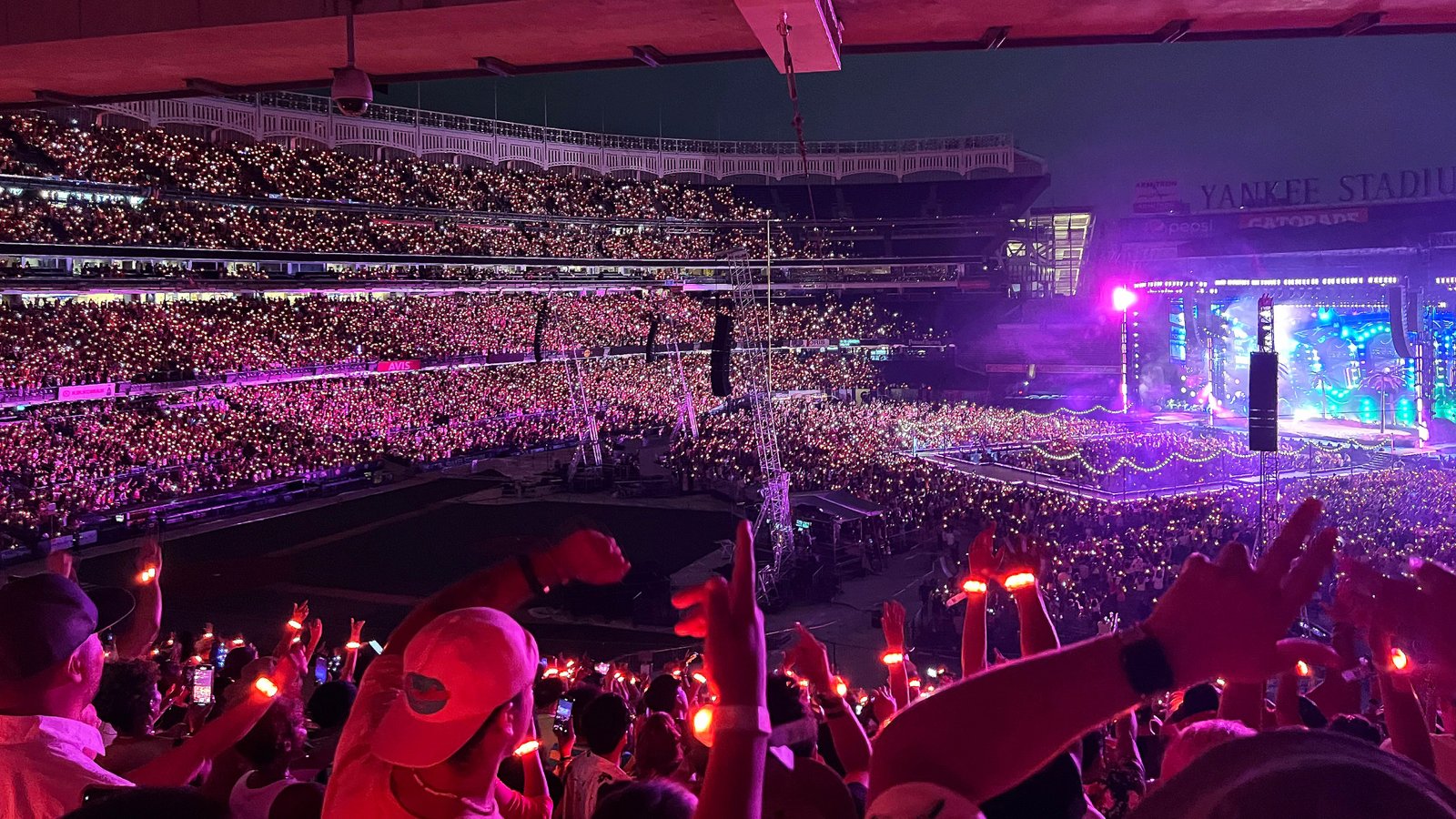

The Super Bowl Halftime Show is more than just a musical interlude during a football game. It is a cultural barometer, a 13-minute spectacle that declares who sits at the very top of the global entertainment hierarchy. For years, the stage has been graced by legacy rock bands, pop divas, and hip-hop royalty. But the conversation is shifting.
With the Latin music explosion undeniable, all eyes are turning toward the biggest star in the world: Bad Bunny.
If Benito Antonio Martínez Ocasio takes the stage, it won’t just be a concert; it will be a coronation. As the most streamed artist on the planet for multiple consecutive years, his presence at the Super Bowl represents a shift in the NFL’s strategy and a massive win for cultural representation. We aren’t just looking at another pop star performing a medley of hits. We are looking at a moment that validates Spanish-language music as a dominant force in American mainstream culture.
Here is what fans, critics, and casual viewers can expect from what promises to be the most Latin Super Bowl halftime ever.
Why Bad Bunny’s Super Bowl Halftime Is Historic
The NFL has flirted with Latin representation before. We saw Jennifer Lopez and Shakira deliver a high-energy, dual-headliner performance in 2020. However, a Bad Bunny Super Bowl halftime show would mark the first fully Latin-led era for the event, centered entirely on an artist who performs almost exclusively in Spanish and refuses to compromise his cultural identity for crossover appeal.
This performance acknowledges a reality the charts have known for years: popularity is global, not just local. Bad Bunny’s dominance isn’t limited to Puerto Rico or Latin America; he fills stadiums in Tokyo, London, and New York. By handing him the keys to the halftime show, the NFL is admitting that the “mainstream” is no longer defined solely by English-speaking pop stars.
Bad Bunny’s Rise to Global Superstardom
To understand the magnitude of this potential performance, you have to look at the numbers. Bad Bunny didn’t just climb the charts; he rewrote the rules of them. He achieved streaming dominance on Spotify and Apple Music without releasing a traditional English-language crossover album—a strategy that was once considered political suicide for international artists trying to break into the U.S. market.
Instead, he forced the market to come to him. He blends trap, reggaeton, and rock, creating a sound that resonates with global youth culture. His influence extends beyond music into fashion, wrestling (WWE), and social activism. He is a multi-hyphenate icon who represents a generation that values authenticity over polished, manufactured pop images.
What Songs Are Likely on the Setlist
A Bad Bunny halftime setlist is a massive puzzle to solve because his catalog is incredibly deep. However, the Super Bowl demands high energy and global recognition. Fans should expect a heavy dose of reggaeton anthems that shake the stadium floor.
“Tití Me Preguntó” is a guaranteed inclusion. Its infectious beat and universally recognized chorus make it perfect for a stadium setting. “Me Porto Bonito” and “Dakiti” are other high-energy tracks that have transcended language barriers to become club staples worldwide.
However, Benito knows how to pace a show. We might see him weave in “Callaíta” for a nostalgic summer vibe or “Mónaco” to bring a trap-heavy, sophisticated edge to the performance. The challenge will be condensing dozens of hits into a tight, seamless medley, balancing his recent Un Verano Sin Ti smash hits with the trap classics that built his core fanbase.
Visuals, Choreography, and Stage Design
The visual component of a Bad Bunny performance is often just as loud as the music. Historically, Super Bowl halftime visuals lean toward polished, high-tech spectacles. Bad Bunny, however, brings a distinct aesthetic that often blends Caribbean street culture with avant-garde fashion and surrealism.
Expect a stage design that feels like a party in Puerto Rico transported to the 50-yard line. This likely means vibrant colors, references to island life, and perhaps the famous “El Conejo Malo” iconography. Choreography will be central, but unlike the synchronized precision of an NSYNC or Beyoncé set, Bad Bunny’s vibe is often looser and more rhythmic, focusing on the perreo energy of the dance floor.
Fashion will also play a huge role. Bad Bunny is known for challenging gender norms and pushing sartorial boundaries. Whether he wears a streetwear kit or a custom high-fashion gown, his outfit will be analyzed and debated on social media the moment he steps into the spotlight.
Potential Guest Appearances
The “surprise guest” is a Super Bowl tradition, and Bad Bunny has a rolodex of collaborators that could break the internet. The most obvious choices are other Latin giants. Bringing out J Balvin or Daddy Yankee would pay homage to the reggaeton lineage. A reunion with Cardi B for “I Like It” would offer a nod to his first massive U.S. chart-topper.
However, Bad Bunny also thrives on the unexpected. He has collaborated with artists ranging from Drake to Gorillaz to Rosalía. A cameo by a major Anglo star singing in Spanish, or supporting Benito on his terms, would reinforce the theme of Latin music’s global absorption. Regardless of who shows up, the guests will likely be there to amplify the cultural impact, not to “validate” Bad Bunny for an English-speaking audience.
How This Halftime Show Differs from Past Performances
Viewers used to classic rock bands like The Who or pop icons like Katy Perry might find a Bad Bunny show to be a stark departure. This isn’t about legacy acts playing songs from 30 years ago; this is about the now.
The most significant difference will be the language shift. While previous shows have featured Spanish verses, a setlist dominated by Spanish lyrics on a quintessential U.S. broadcast signals a major cultural pivot. The energy will also differ. It won’t be the polished, rehearsed-to-the-millisecond pop of the 2010s. It will likely feel rawer, more rhythmic, and driven by the beat rather than the melody. It represents a move toward global youth culture, where the vibe matters as much as the vocals.
Cultural Impact of a Latin-Focused Halftime Show
For the Latino community in the United States and abroad, this performance is about visibility. Seeing a Puerto Rican artist headline the most-watched television event of the year, unapologetically being himself, sends a powerful message of inclusion and power.
It validates the idea that Latin music is not a “genre” to be sidelined but popular music, period. A successful performance here influences future Super Bowl bookings. It opens the door for other international acts—from K-Pop groups to Afrobeats stars—to be considered for the slot, proving that you don’t need to sing in English to command the American stage.
Audience Reaction — Fans vs. Traditional Viewers
The reaction to the announcement and the performance will likely be split, reflecting the generational divide in media consumption. Younger audiences, who live on streaming platforms and TikTok, view Bad Bunny as the undisputed king of music. For them, this choice is obvious and overdue.
However, traditional television viewers who rely on radio or legacy media may be confused. We often see social media outcries of “Who is this?” whenever a modern streaming giant headlines the show. But the NFL knows that ratings and buzz are no longer just about who is watching the TV broadcast; it’s about engagement. A Bad Bunny halftime show guarantees billions of impressions across Instagram, X (formerly Twitter), and TikTok, engaging a demographic that the NFL is desperate to court.
Why the NFL Is Embracing Global Music Icons
The NFL is a business, and its strategy is expansion. The league has been aggressively trying to grow its international audience, hosting games in Mexico, the UK, Germany, and Brazil. Aligning the halftime show with a global icon like Bad Bunny supports this mission.
By choosing an artist who dominates global charts, the NFL transforms the Super Bowl from an American sporting event into a worldwide entertainment event. It signals that the league is in touch with modern pop culture trends. They aren’t just booking acts that appeal to the season ticket holders; they are booking acts that appeal to the future of the sport’s fanbase.
What Could Make This the Most Memorable Halftime Ever
Great halftime shows are defined by energy and moments. Prince in the rain. Beyoncé’s formation. Dr. Dre’s hip-hop showcase. For Bad Bunny, the key to joining this pantheon is authenticity.
If he tries to water down his performance to appeal to a conservative middle America, it will fail. But if he brings the raw, unfiltered energy of a stadium show in San Juan—the sweat, the bass, the confidence—it will translate through the screen. It has the potential to be a cultural moment that transcends football, a celebration of Latin joy that invites the whole world to the party.
Frequently Asked Questions (FAQ)
Will Bad Bunny perform mostly Spanish songs?
Yes. Bad Bunny’s discography is almost entirely in Spanish, and his success is built on maintaining that linguistic identity. While there might be brief English hooks if he brings out certain guests, viewers should expect a Spanish-language performance.
Is this the first Latin-dominated Super Bowl halftime show?
It would be the first solo Latin-led halftime show. Jennifer Lopez and Shakira co-headlined in 2020, which was a massive Latin cultural moment, but a solo Bad Bunny set would mark a new milestone in individual superstar power for a Latin artist.
Could this change future halftime show selections?
Absolutely. Success here proves that non-English speaking artists can carry the broadcast. It paves the way for other global genres, such as K-Pop or Afrobeats, to take the center stage in the future.
How long is the Super Bowl halftime performance?
The performance typically lasts between 12 to 14 minutes. Artists must condense their entire career into this short window, often performing medleys of snippets rather than full songs.
Where can viewers watch and rewatch the halftime show?
The show airs live on the broadcast network hosting the Super Bowl (which rotates annually). Immediately following the live performance, the full show is usually available on the NFL’s official YouTube channel and social media platforms.
Final Thoughts — A Cultural Moment, Not Just a Show
When the lights go down and the first beat drops, we won’t just be watching a musical performance. We will be witnessing a shift in the American cultural landscape. Bad Bunny at the Bowl isn’t about Latin music “crossing over”—it is proof that it has already arrived and taken over.
This halftime show is about visibility, influence, and the new reality of global pop culture. Whether you know every word to “Tití Me Preguntó” or you’ve never heard a reggaeton track in your life, one thing is certain: you won’t be able to look away.