





How Sleep Quality Impacts Health in the USA (Mind, Body & Longevity)

We live in a culture that often wears exhaustion as a badge of honor. From the “rise and grind” mentality to late-night binge-watching, American society tends to treat sleep as an optional luxury rather than a biological necessity. According to the CDC, one in three adults in the United States reports not getting enough rest. However, the conversation often stops at how long we sleep, missing a crucial piece of the puzzle: how well we sleep.
You can spend eight hours in bed, but if that time is fragmented or shallow, you might wake up feeling just as drained as if you had slept four. This distinction is vital because sleep is the foundation upon which mental and physical health is built. When we drift off, our bodies don’t just shut down; they go to work. The brain clears out toxins, muscles repair themselves, and memories are consolidated.
Understanding the mechanics of rest is the first step toward reclaiming your vitality. This guide explores exactly how sleep quality impacts health in the USA, examining the profound connection between deep rest and our longevity, mental clarity, and physical resilience.
What Is Sleep Quality?
To understand why you might feel tired despite hitting the sack early, we have to look at the sleep quality meaning. While sleep quantity refers simply to the total number of hours you spend sleeping, sleep quality measures how well you sleep. It involves how quickly you fall asleep, how often you wake up during the night, and how much time you spend in the restorative stages of sleep.
Sleep quality vs sleep quantity
Think of sleep quantity as the duration of a shift at work, and sleep quality as how productive you were during that shift. You can be at your desk for eight hours (quantity), but if you are constantly interrupted or distracted, you won’t get much done (quality). Sleep quality vs quantity is a critical distinction because high-quality sleep allows the brain and body to complete necessary biological cycles. Without quality, quantity loses much of its value.
Key stages of healthy sleep
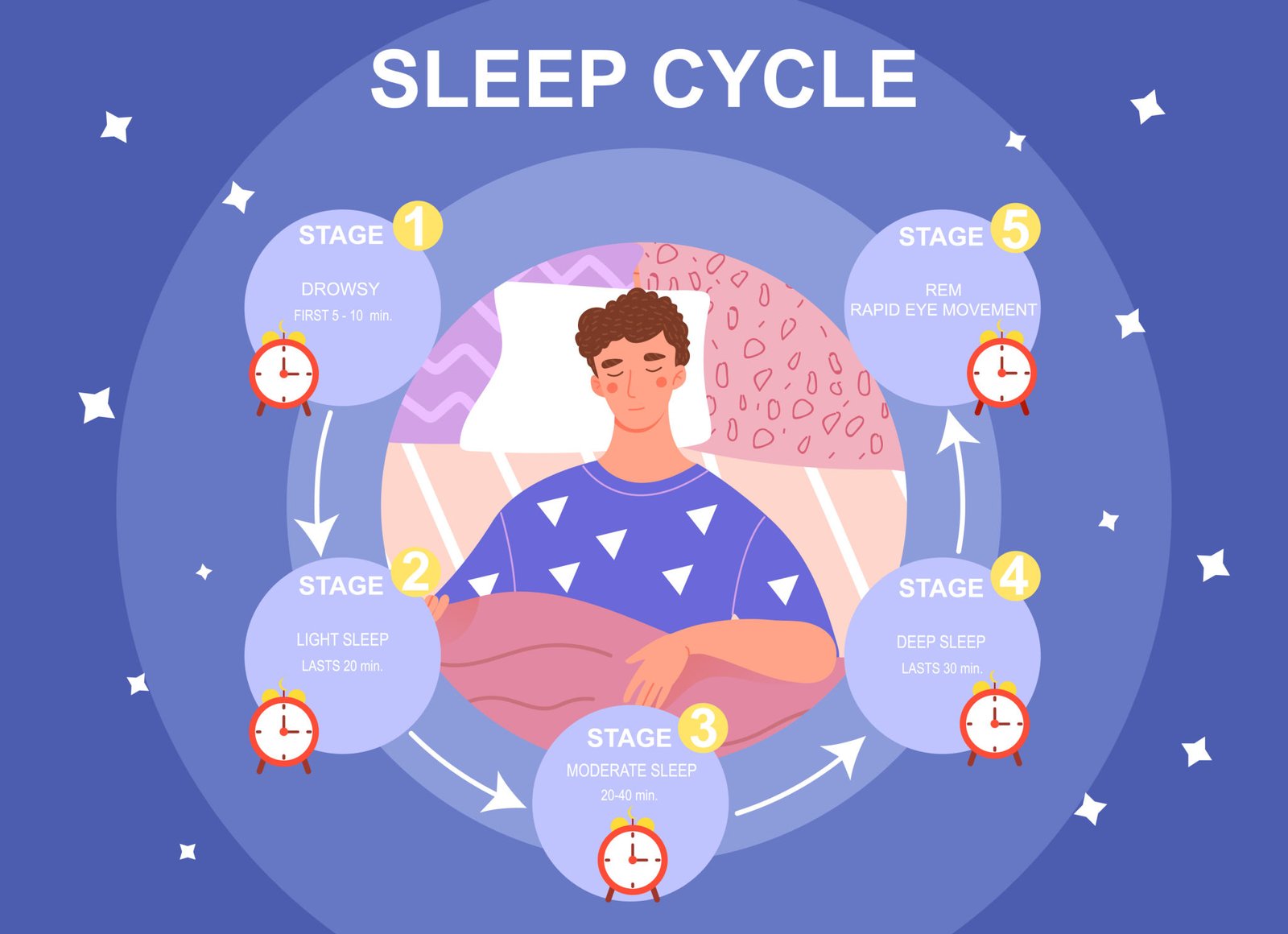
High-quality rest isn’t a flat line of unconsciousness; it is a dynamic architecture of four distinct stages:
- NREM Stage 1: The transition from wakefulness to sleep.
- NREM Stage 2: Light sleep where heart rate slows and body temperature drops.
- NREM Stage 3 (Deep Sleep): Critical for physical repair, immune system strengthening, and growth hormone release.
- REM (Rapid Eye Movement): Essential for cognitive functions like memory, learning, and emotional processing.
Good sleep quality implies cycling through these stages multiple times per night without significant interruption.
Signs of good and poor sleep quality
How do you know if your quality is lacking? Good sleep generally means falling asleep within 30 minutes, sleeping through the night with no more than one awakening, and feeling refreshed upon rising. Conversely, signs of poor sleep include lying awake for more than 30 minutes before sleeping, waking up repeatedly, or relying on caffeine to function before noon.
Why Sleep Quality Matters for Overall Health
Sleep is not merely a pause button; it is an active state of maintenance. The importance of sleep quality cannot be overstated because it serves as the bedrock for every other aspect of your well-being.
Sleep as a foundation of health
Just as a building relies on a solid foundation, your health relies on sleep. Nutrition and exercise are pillars of health, but without adequate rest, their benefits are diminished. When you sleep well, you regulate the hormones that control appetite, you have the energy to move your body, and you have the mental fortitude to make healthy choices.
Body repair and recovery during sleep
During the deep stages of sleep, blood flow to muscles increases, and tissue growth and repair occur. This is when the body heals from the micro-traumas of daily life, whether that’s stress from a workout or general cellular wear and tear.
Long-term health consequences of poor sleep
The link between sleep and health USA statistics is alarming. Chronic poor sleep is associated with an increased risk of all-cause mortality. Over time, a lack of quality rest accelerates aging processes and leaves the body vulnerable to a host of medical conditions, shifting sleep from a lifestyle choice to a public health priority.
How Sleep Quality Affects Mental Health
The relationship between sleep and the mind is bidirectional. Poor sleep can lead to mental health struggles, and mental health struggles often deteriorate sleep quality.
Mood regulation and emotional balance
Have you ever noticed how short-tempered you are after a bad night’s rest? This happens because sleep deprivation impairs the brain’s ability to regulate emotions. The amygdala, the part of the brain responsible for the immediate emotional response, becomes up to 60% more reactive when you are tired. Sleep quality mental health connections are strong; deep rest allows the brain to reset its emotional reactivity, helping you handle stress with patience.
Sleep and anxiety or depression
There is a profound link between sleep and brain health, particularly regarding anxiety and depression. Studies show that people with insomnia are significantly more likely to develop depression than those who sleep well. Sleep disruption affects the neurotransmitters in the brain, including serotonin and dopamine, which are responsible for mood regulation.
Cognitive function and memory
If you are struggling to focus or remember names, check your sleep habits. During REM sleep, the brain processes and consolidates information from the day, turning short-term memories into long-term ones. Poor sleep quality acts like a fog, slowing down cognitive processing, reducing problem-solving skills, and impairing judgment.
Impact of Sleep Quality on Physical Health
While the mind drifts off, the body is working hard to keep your biological systems in check. The connection between sleep quality physical health is visible in everything from your waistline to your blood pressure.
Heart health and blood pressure
The link between sleep and heart health USA is heavily researched. During normal sleep, your blood pressure goes down, giving your heart and blood vessels a bit of a rest. This phenomenon is known as “nocturnal dipping.” If sleep is fragmented or of poor quality, your blood pressure stays higher for a longer period. Chronic sleep deprivation is linked to hypertension, heart disease, and stroke.
Hormonal balance and metabolism
Sleep plays a major role in regulating metabolism. It balances ghrelin (the hunger hormone) and leptin (the fullness hormone). When you don’t sleep well, ghrelin spikes and leptin plummets, leading to increased cravings for high-calorie, sugary foods. This hormonal imbalance is a primary driver behind the correlation between sleep loss and obesity.
Muscle recovery and energy levels
For athletes or anyone active, deep sleep is the most important part of the training cycle. It is during Stage 3 NREM sleep that the body releases Human Growth Hormone (HGH), which is essential for repairing muscle tissue and building bone density. Without quality sleep, physical recovery is stalled, leading to fatigue and higher injury risk.
Sleep Quality and Immune System Strength
Your immune system operates best when you are asleep. The sleep and immune system relationship is your first line of defense against pathogens.
How sleep supports immunity
During sleep, your immune system releases proteins called cytokines, some of which help promote sleep. Certain cytokines need to increase when you have an infection or inflammation. Sleep deprivation may decrease production of these protective cytokines. In addition, infection-fighting antibodies and cells are reduced during periods when you don’t get enough sleep.
Poor sleep and illness risk
Research indicates a direct correlation between sleep quality illness risk. People who don’t get quality sleep or enough sleep are more likely to get sick after being exposed to a virus, such as a common cold virus. Lack of sleep can also affect how fast you recover if you do get sick.
Recovery and healing during sleep
Whether you are recovering from a seasonal flu or a surgical procedure, rest is the accelerator for healing. The body diverts energy from daily activities (like moving and thinking) toward the immune system during sleep, allowing for a more robust defense and faster recovery time.
Relationship Between Sleep Quality and Chronic Diseases
In the United States, chronic diseases are the leading cause of death and disability. The connection between poor sleep chronic disease is becoming a central focus of preventive medicine.
Diabetes and insulin resistance
Sleep affects how your body reacts to insulin, the hormone that controls your blood glucose (sugar) level. Lack of quality sleep results in a higher than normal blood sugar level, which may increase your likelihood of developing diabetes. Even a few nights of fragmented sleep can impair the body’s ability to process glucose efficiently.
Obesity and weight gain
As mentioned regarding hormones, sleep and long-term health are tied closely to weight management. Beyond hormones, tired brains have reduced impulse control. The “tired brain” craves rewards, making it much harder to say no to unhealthy food choices, creating a cycle of weight gain and further sleep disruption (such as sleep apnea).
Cardiovascular disease risk
The stress of poor sleep triggers the body’s inflammation response. Chronic inflammation is a known risk factor for cardiovascular disease. By prioritizing sleep, you are actively lowering the inflammatory markers in your bloodstream, protecting your heart and vascular system.
How Sleep Quality Impacts Productivity and Daily Performance
The economic impact of sleep loss in the US is estimated to be hundreds of billions of dollars annually due to lost productivity. Sleep quality productivity is the engine of the American workforce.
Focus, attention, and reaction time
Sleep deprivation impacts the brain similarly to alcohol intoxication. Reaction times slow down, and the ability to focus on detailed tasks diminishes. Whether you are driving a car or analyzing a spreadsheet, high-quality sleep sharpens your attention span.
Workplace performance and safety
Sleep and work performance USA data suggests that tired employees are not only less efficient but also less safe. Industrial accidents and medical errors are significantly more common among shift workers or those suffering from chronic fatigue.
Decision-making and creativity
Creativity requires the brain to make novel connections between disparate ideas. This usually happens when the brain is well-rested. Poor sleep locks the brain into repetitive patterns and stifles innovation, making it difficult to solve complex problems or think outside the box.
Common Causes of Poor Sleep Quality in the USA
Why is the US facing a sleep recession? Several cultural and environmental factors contribute to poor sleep causes USA.
Stress and lifestyle habits
High stress levels trigger the release of cortisol, the “fight or flight” hormone, which is the enemy of sleep. When you are worried about finances, work, or family, your body stays in a state of hyperarousal, making it impossible to enter deep sleep.
Excessive screen time
The prevalence of smartphones and tablets has introduced a major disruptor: blue light. Blue light suppresses melatonin, the hormone that signals to your body that it is time to sleep. Scrolling through social media before bed tricks the brain into thinking it is still daytime.
Irregular sleep schedules
The gig economy, shift work, and “social jetlag” (staying up late on weekends and waking up early on weekdays) wreak havoc on the circadian rhythm. Sleep problems adults USA face are often due to this misalignment between their internal body clock and their social schedule.
How to Improve Sleep Quality Naturally
The good news is that you can fix this. You don’t always need medication to rest better; often, you need to improve sleep quality through behavioral changes.
Sleep hygiene habits
Sleep hygiene tips USA experts recommend include establishing a wind-down routine. This might involve reading a physical book, stretching, or taking a warm bath. The goal is to signal to your body that the day is over.
Creating a sleep-friendly environment
Your bedroom should be a sanctuary. It needs to be cool (around 65°F is often cited as ideal), dark (use blackout curtains), and quiet. Invest in a comfortable mattress and pillows that support your spine.
Consistent routines and relaxation
Try to go to bed and wake up at the same time every day, even on weekends. This trains your circadian rhythm. Incorporating relaxation techniques like meditation or deep breathing exercises can also help lower cortisol levels before bed.
Sleep Quality vs Sleep Disorders
Sometimes, poor sleep isn’t just about bad habits. It can be medical. Understanding sleep disorders USA prevalence is important for knowing when to stop trying DIY fixes and see a doctor.
Insomnia overview
Insomnia is the most common sleep disorder, characterized by difficulty falling asleep or staying asleep. It can be acute (short-term) or chronic. While stress is a major cause, it can also be a symptom of underlying health issues.
Sleep apnea basics
Obstructive Sleep Apnea (OSA) is a serious condition where breathing repeatedly stops and starts during sleep. It causes blood oxygen levels to drop and fragments sleep quality severely. Loud snoring and gasping for air are primary symptoms.
When to seek professional help
If you have tried improving your hygiene and insomnia vs poor sleep persists for more than a month, or if you feel excessively sleepy during the day despite spending enough time in bed, consult a healthcare provider.
Frequently Asked Questions (FAQ)
How many hours of quality sleep do adults need?
Most adults need between 7 and 9 hours of sleep per night. However, quality matters just as much. Seven hours of solid, deep sleep is often more restorative than nine hours of fragmented, light sleep.
Can poor sleep quality affect weight gain?
Yes. Poor sleep disrupts appetite-regulating hormones (ghrelin and leptin), slows down metabolism, and increases insulin resistance, all of which contribute to weight gain.
Is napping a substitute for quality sleep?
No. While a short power nap (20 minutes) can boost alertness, it cannot replace the deep, restorative stages of sleep that occur during a full night’s rest. Long naps can also interfere with your ability to fall asleep at night.
Does sleep quality decline with age?
It is common for sleep patterns to change with age, often resulting in lighter sleep and more frequent awakenings. However, severe sleep disturbances are not a “normal” part of aging and should be addressed.
How long does it take to improve sleep quality?
With consistent changes to sleep hygiene and environment, most people notice an improvement in their sleep quality within two to three weeks.
Final Thoughts on Sleep Quality and Health
Improving your sleep is one of the single most effective ways to upgrade your health. It is not about being lazy; it is about being biologically smart. Quality sleep is a health investment that pays dividends in the form of a sharper mind, a stronger heart, and a more resilient immune system.
You don’t have to overhaul your entire life overnight. Start small. Put the phone away an hour earlier. Cool down your room. Stick to a schedule. These small habits make big differences over time. By prioritizing rest, you aren’t just sleeping better—you are building a longer, healthier, and more vibrant life.