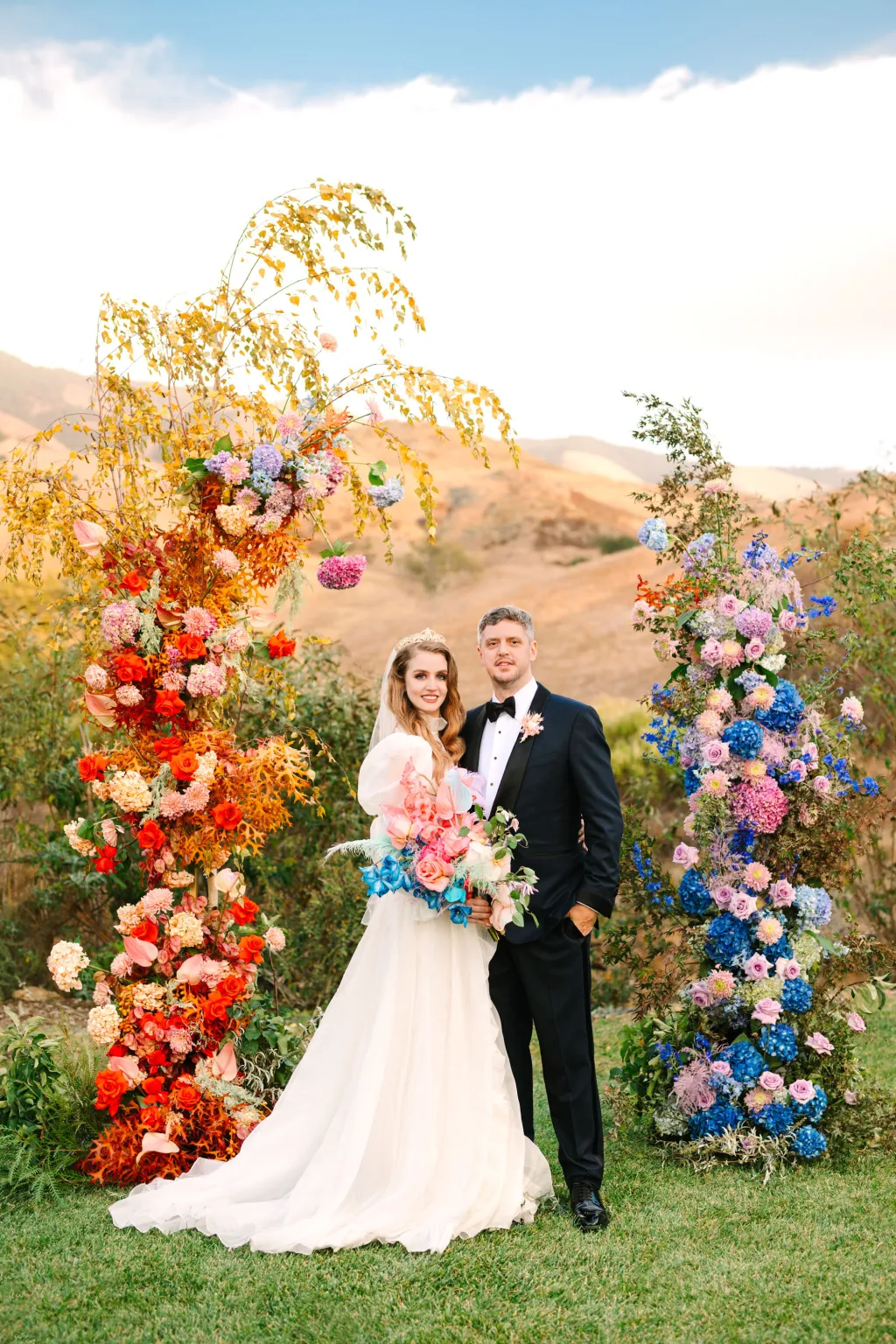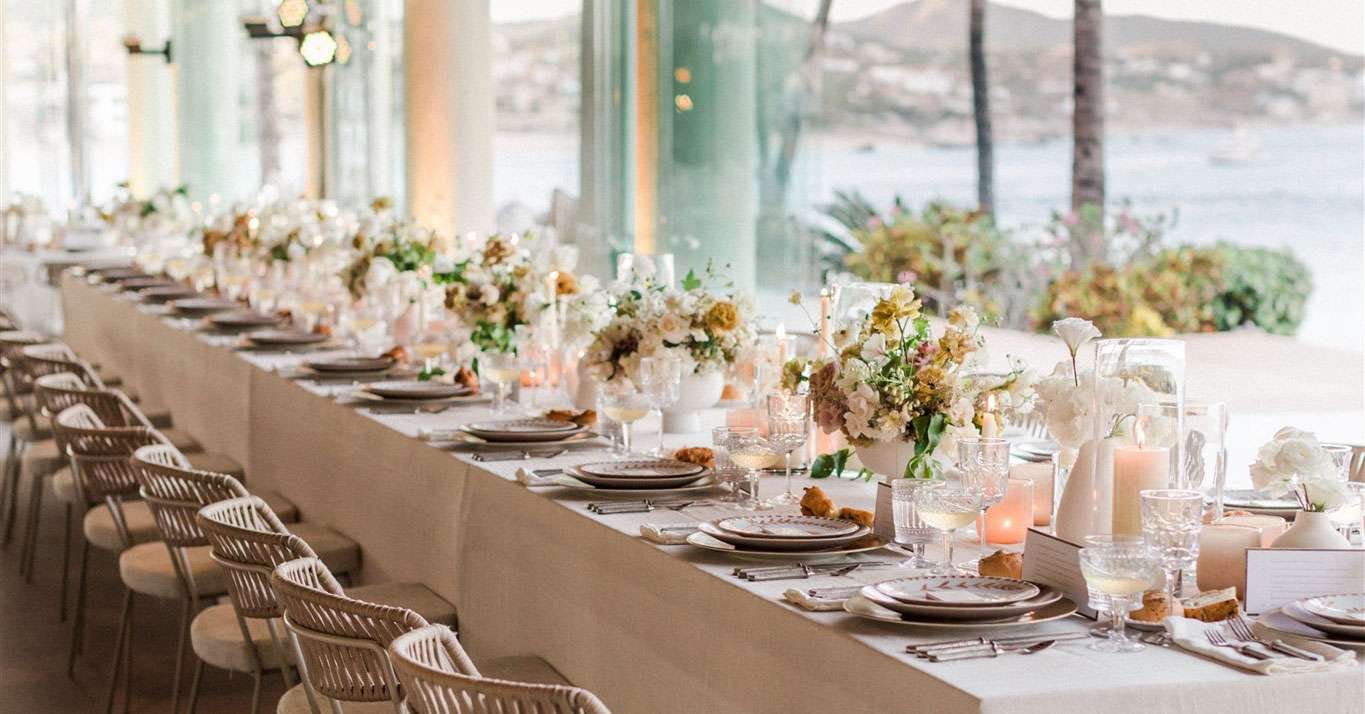




How to Plan a Wedding Timeline Efficiently in the USA (Complete Guide)

You have the venue booked, the date set, and a vision of walking down the aisle. But the difference between a chaotic day and a dream wedding often comes down to one boring-sounding document: the timeline. Without a solid plan, you risk rushing through photos, paying overtime fees to vendors, or missing out on eating the dinner you spent months selecting.
A well-structured schedule acts as the backbone of your celebration. It ensures that everyone—from your hair stylist to your caterer—knows exactly where they need to be and when. In the United States, where weddings often involve multiple locations and extensive vendor teams, having a precise plan is non-negotiable for a smooth event.
This guide breaks down exactly how to build a wedding timeline efficiently. We will cover step-by-step planning strategies, common pitfalls to avoid, and sample schedules to help you visualize your big day. By the end, you will have the tools to create a flow that allows you to actually enjoy every moment.
What Is a Wedding Timeline and Why Is It Important?
A wedding timeline is a detailed itinerary of your entire wedding day. It lists every major event, from the moment your alarm goes off to the final exit at the end of the night. Think of it as the script for the day’s production. It tells the key players what is happening, ensuring that the photography, catering service, and entertainment all sync up perfectly.
The Benefits of a Well-Planned Wedding Schedule
Creating a comprehensive wedding timeline USA style offers several benefits. First, it maximizes your investment. You are paying photographers and videographers for a set number of hours. If things run late, you might miss capturing key moments like the cake cutting or the first dance because their contract time expired. A schedule ensures you get the most out of every vendor.
Second, it manages guest expectations. When guests know when the ceremony starts, when cocktail hour begins, and when dinner is served, they are more relaxed and engaged. Long, unexplained gaps between the ceremony and reception can kill the mood, but a tight schedule keeps the energy high.
How Timelines Reduce Stress on the Wedding Day
Perhaps most importantly, a detailed wedding day schedule significantly reduces stress. On the morning of your wedding, your mind will be racing. You shouldn’t have to worry about whether the florist has arrived or if the shuttle is leaving on time. A timeline answers those questions for you. It allows you to hand off the logistics to a planner or coordinator so you can focus on getting married. When you know there is a plan for everything, you can be present in the moment rather than worrying about the clock.
Factors That Affect a Wedding Timeline in the USA
No two weddings are the same, and several variables will dictate how your day flows. Before you start plugging times into a spreadsheet, consider these critical factors that influence wedding timeline planning USA wide.
Venue Rules and Rental Hours
Your venue contract is the first place to look. Venues typically have strict “load-in” and “load-out” times. If you only have access to the space starting at 10:00 AM, you cannot schedule hair and makeup on-site for 8:00 AM. Similarly, if the music must stop by 10:00 PM due to local noise ordinances, your reception timeline must work backward from that hard stop. Ignoring these wedding venue timing rules can lead to hefty fines or awkward situations where the lights come on while guests are still dancing.
Religious vs. Civil Ceremony Timing
The type of ceremony you choose heavily impacts the schedule. A standard non-religious or civil ceremony in the US might take 20 to 30 minutes. However, a Catholic mass can last an hour or more, and Hindu ceremonies often span several hours. You must account for the full length of the service, plus the time it takes for guests to enter and exit.
Travel Time Between Venues
If you are getting ready at a hotel, married at a church, and partying at a banquet hall, travel time is a major logistical hurdle. In many US cities, traffic can be unpredictable. A 15-minute drive on a Sunday morning might take 45 minutes on a Friday afternoon. Always calculate the travel time and then add a 15-minute cushion for traffic, parking, and loading guests onto shuttles.
Season, Daylight Savings, and Weather
Lighting is crucial for photography. If you are getting married in December in New England, the sun might set as early as 4:15 PM. If you schedule your ceremony for 5:00 PM, you won’t have any natural light for outdoor portraits afterward. You would need to plan a “first look” earlier in the day to capture those images. Conversely, a summer wedding allows for sunset photos as late as 8:30 PM. Always check the sunset time for your specific date and location.
Vendor Coordination Requirements
Your vendors need time to do their jobs. A photographer may require 45 minutes for family portraits. The catering team needs at least two hours for setup before guests arrive. A band might need an hour for sound checks. Ask your vendors explicitly how much time they need for setup and breakdown, and build your schedule around their professional requirements.
How to Plan a Wedding Timeline Step by Step
Building the schedule from scratch can feel overwhelming. The best approach is to work backward from your main constraints (like the ceremony start time or the venue curfew). Here is a step-by-step checklist on how to plan a wedding timeline.
1. Choose Your Ceremony Start Time
This is your anchor point. Most timing decisions flow from when the ceremony begins. If you want a sunset ceremony, look up the sunset time and work backward. If your venue has a specific slot available, lock that in first.
2. Plan Hair, Makeup, and Getting-Ready Time
This is the number one area where timelines fall behind. Professional hair and makeup almost always take longer than expected. Ask your beauty team for a time estimate per person, then add buffer time. If you have a large bridal party, you might need to start as early as 7:00 or 8:00 AM. Remember to schedule time for the bride to get into her dress, which is a photo opportunity in itself.
3. Allocate Time for Wedding Photos
Talk to your photographer about your priorities. A standard wedding timeline checklist for photography usually looks like this:
- First Look (Optional): 15–30 minutes
- Couple Portraits: 30–45 minutes
- Wedding Party Photos: 30 minutes
- Family Portraits: 30–45 minutes
If you skip the first look, all these photos must happen during cocktail hour, which can feel rushed.
4. Schedule Cocktail Hour and Reception Events
The standard US wedding reception structure includes a cocktail hour followed by a four-hour reception.
- Cocktail Hour: 1 hour. This is for guests to mingle while you finish photos.
- Grand Entrance & First Dance: 15–20 minutes.
- Dinner Service: 60–90 minutes depending on if it is buffet or plated.
- Toasts: 15–20 minutes (schedule these during dinner service to save time).
- Parent Dances: 10 minutes.
- Open Dancing: 2+ hours.
- Cake Cutting: 10 minutes.
5. Add Buffer Time for Delays
This is the secret sauce of a stress-free day. Add 5–10 minute buffers throughout the day. If travel takes 20 minutes, schedule 30. If hair takes 45 minutes, schedule an hour. These small pockets of time absorb the inevitable delays—a missing boutonniere, a traffic jam, or a bridesmaid running late—without throwing the whole day off track.
Sample Wedding Day Timeline (USA)
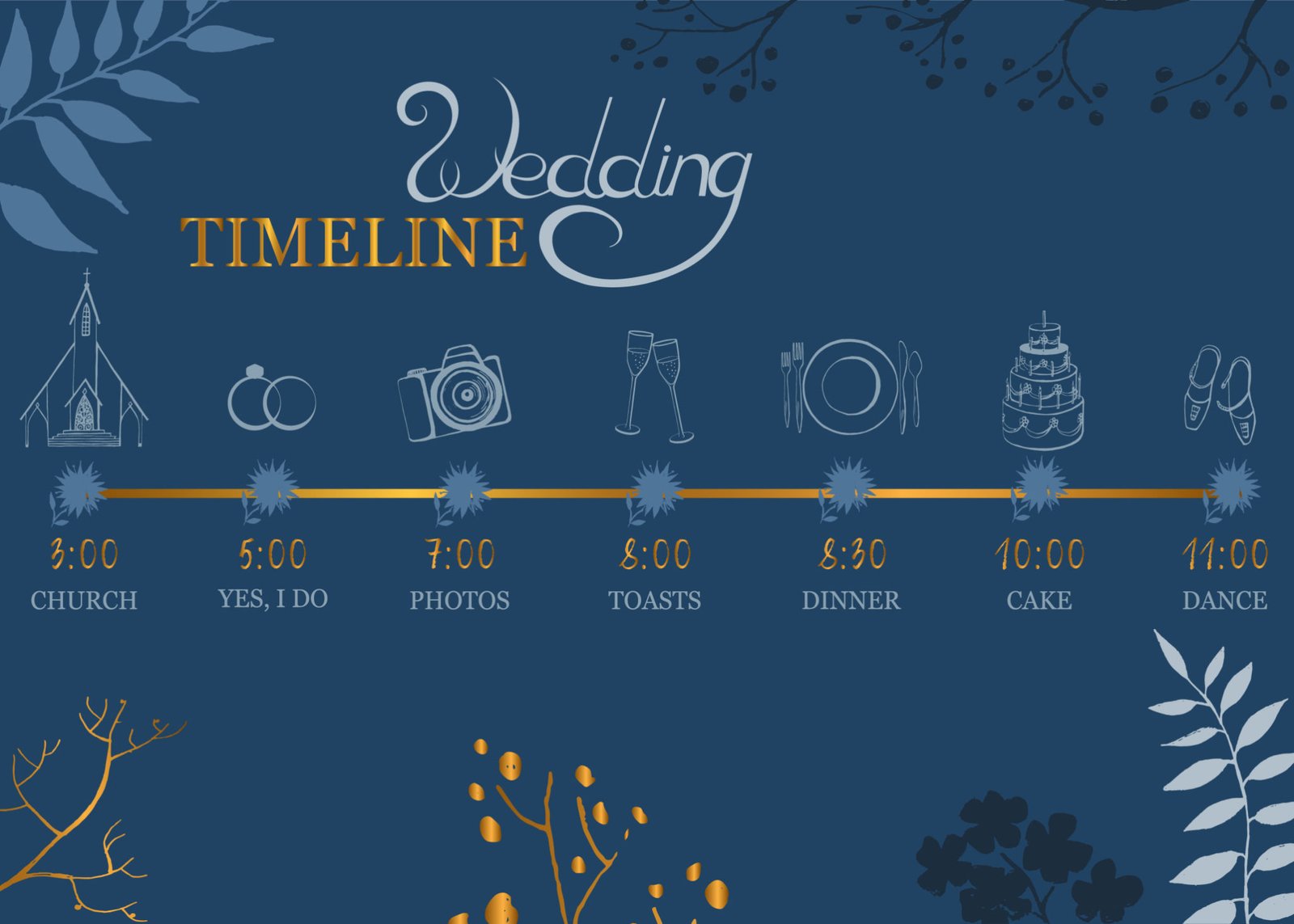
To give you a concrete idea of flow, here is a standard timeline for a wedding with a 5:00 PM ceremony, including a “first look.” This is a common wedding day timeline example for US couples.
Morning Wedding Timeline Sample
- 9:00 AM: Hair and makeup begins for bridesmaids.
- 11:00 AM: Photographer arrives for detail shots (dress, rings, invites).
- 12:00 PM: Lunch delivery for the wedding party. (Do not forget to eat!)
- 1:00 PM: Bride begins hair and makeup.
- 2:00 PM: Wedding party gets dressed.
Afternoon Wedding Timeline Example
- 2:30 PM: First Look with the couple.
- 3:00 PM: Couple portraits and wedding party photos.
- 4:00 PM: Family portraits (completing these before the ceremony saves time later).
- 4:30 PM: Bride and Groom in hiding; guests begin to arrive. Music starts.
- 5:00 PM: Ceremony begins.
- 5:30 PM: Ceremony concludes.
- 5:35 PM: Cocktail hour begins for guests; extended family photos for the couple.
Evening Wedding Reception Timeline
- 6:30 PM: Guests move to reception area.
- 6:45 PM: Grand Entrance and First Dance.
- 7:00 PM: Welcome speech and dinner service begins.
- 7:45 PM: Toasts (during the last course of dinner).
- 8:15 PM: Parent dances; dance floor opens.
- 9:30 PM: Cake cutting and bouquet toss.
- 10:55 PM: Last song and grand exit.
- 11:00 PM: Guests depart; vendor breakdown begins.
Wedding Timeline Tips for a Smooth Wedding Day
Planning is one thing; execution is another. Use these wedding planning tips USA experts swear by to ensure the day runs like clockwork.
Share Timeline with Vendors Early
Do not wait until the week before the wedding to send out the schedule. Send a draft to your photographer, planner, and caterer a month in advance. They will spot logistical errors you missed (“We can’t serve 150 salads in 10 minutes”). Their feedback is invaluable for refining the flow.
Keep Transitions Simple
Moving 150 people from one room to another takes time—often 15 to 20 minutes. If your cocktail hour is on the lawn and dinner is in the ballroom, account for the “herding cats” phenomenon. Bottlenecks at bars or narrow doorways can slow down the evening, so try to keep transitions seamless.
Assign a Day-of Coordinator
You cannot manage the timeline while you are getting married. If a professional planner isn’t in the budget, hire a “day-of coordinator” or ask a very organized, non-immediate family member to watch the clock. Their job is to tap you on the shoulder and say, “Time to cut the cake,” so you don’t have to check your phone.
Plan Realistic Photo Sessions
One of the top wedding timeline tips is to be realistic about family photos. If you have a list of 50 different family combinations, you will spend your entire cocktail hour smiling at a camera instead of drinking champagne. Keep the shot list concise to ensure you have time to enjoy the party.
Common Wedding Timeline Mistakes to Avoid
Even the most organized couples can fall into these traps. Here are the wedding timeline errors that cause the most chaos.
Overpacking the Schedule
Trying to squeeze too many activities into a short reception is a recipe for disaster. If you want a receiving line, table visits, a photo slide show, four parent dances, and a bouquet toss, you might end up with only 30 minutes of open dancing. Prioritize what matters most and cut the rest to let the party breathe.
Ignoring Travel and Setup Time
Assuming Google Maps is 100% accurate on a Saturday afternoon is a risk. Always add a traffic buffer. Also, don’t forget personal setup time—getting into a complex wedding dress can take 30 minutes, not five.
Scheduling Photos in Bad Lighting
High noon is often the worst time for outdoor photos because the sun creates harsh shadows on faces. Late evening is too dark. Consult your photographer about “Golden Hour”—the hour before sunset—which offers the most flattering light.
No Backup Plan for Delays
If the shuttle breaks down or the ceremony starts 20 minutes late, what gets cut? Decide this in advance. Usually, you cut time from the cocktail hour or open dancing, but having a “Plan B” mindset prevents panic when minor hiccups happen.
Tools and Templates to Create a Wedding Timeline
You don’t have to invent a schedule from scratch. Several wedding planning tools USA couples use can simplify the process.
- Wedding Timeline Templates: Many websites offer downloadable Excel or PDF templates tailored to different start times (e.g., “2 PM Ceremony Template” or “Evening Wedding Template”).
- Google Sheets: A shared Google Sheet is excellent for collaboration. You can give edit access to your planner, maid of honor, and photographer so everyone is looking at the latest version.
- Wedding Planning Apps: Apps like The Knot, Zola, or WeddingWire have built-in timeline generators. You plug in your ceremony time, and they automatically populate a suggested schedule based on standard US wedding protocols.
Frequently Asked Questions (FAQ)
How long should a wedding day timeline be in the USA?
A typical Western wedding day spans about 10 to 12 hours for the couple (from hair and makeup to the grand exit), while the guest experience usually lasts about 6 hours (30-minute ceremony, 1-hour cocktail hour, 4-hour reception).
When should I start planning my wedding timeline?
Ideally, start drafting the timeline 2 to 3 months before the wedding. By this point, you have your major vendors booked and a good idea of logistics. Finalize the timeline 2 weeks before the big day and distribute it to all vendors and the wedding party.
Should I include buffer time in my wedding schedule?
Absolutely. Buffer time is essential because weddings involve many moving parts and people. A 10-15 minute buffer between major events ensures that if one thing runs late, it doesn’t create a domino effect that ruins the rest of the evening.
Who should manage the wedding timeline on the big day?
A professional day-of coordinator is the best choice. If that isn’t possible, designate a trusted friend or extended family member (not the parents or bridal party, who should be busy celebrating) to hold the clipboard and keep things on track.
Can I change my wedding timeline last minute?
You can, but proceed with caution. Minor shifts (like pushing the cake cutting back 10 minutes) are fine. Major changes (like moving the ceremony time) effectively become impossible close to the date without confusing guests and vendors. Flexibility is key, but communication is critical.
Final Thoughts on Planning a Wedding Timeline Efficiently
Planning a wedding timeline might feel like a logic puzzle, but it is the key to a joyful celebration. Remember to focus on flow rather than perfection. Your guests won’t notice if the toasts start five minutes late, but they will notice if they are hungry or confused. Prioritize the moments that matter most to you—whether that’s an extended dance party or a private sunset photo session—and build the day around them. With a solid plan in hand, you can put the clipboard away and focus on what really matters: celebrating your marriage.