




Work-Life Balance Challenges in Modern Careers in the USA

It used to be that when you left the office at 5:00 PM, work stayed there. The files remained in the cabinet, the phone stayed on the desk, and your evening belonged entirely to you. That clear delineation between professional and personal life has all but evaporated in the United States. Today, the “office” fits in our pockets, buzzing with notifications at dinner, during our commute, and even while we try to sleep.
This shift toward an “always-on” culture has fundamentally altered how we view our careers. We face technology-driven expectations that demand immediate responses, regardless of the time or day. The pressure to be constantly available is no longer the exception; in many industries, it has become the rule.
Understanding why this balance matters is critical for long-term success. It isn’t just about having time for hobbies or family; it is about preserving the mental and physical health required to sustain a career over decades. Without boundaries, the modern workforce risks running on empty, leading to diminished returns for both employees and employers.
What Is Work-Life Balance?
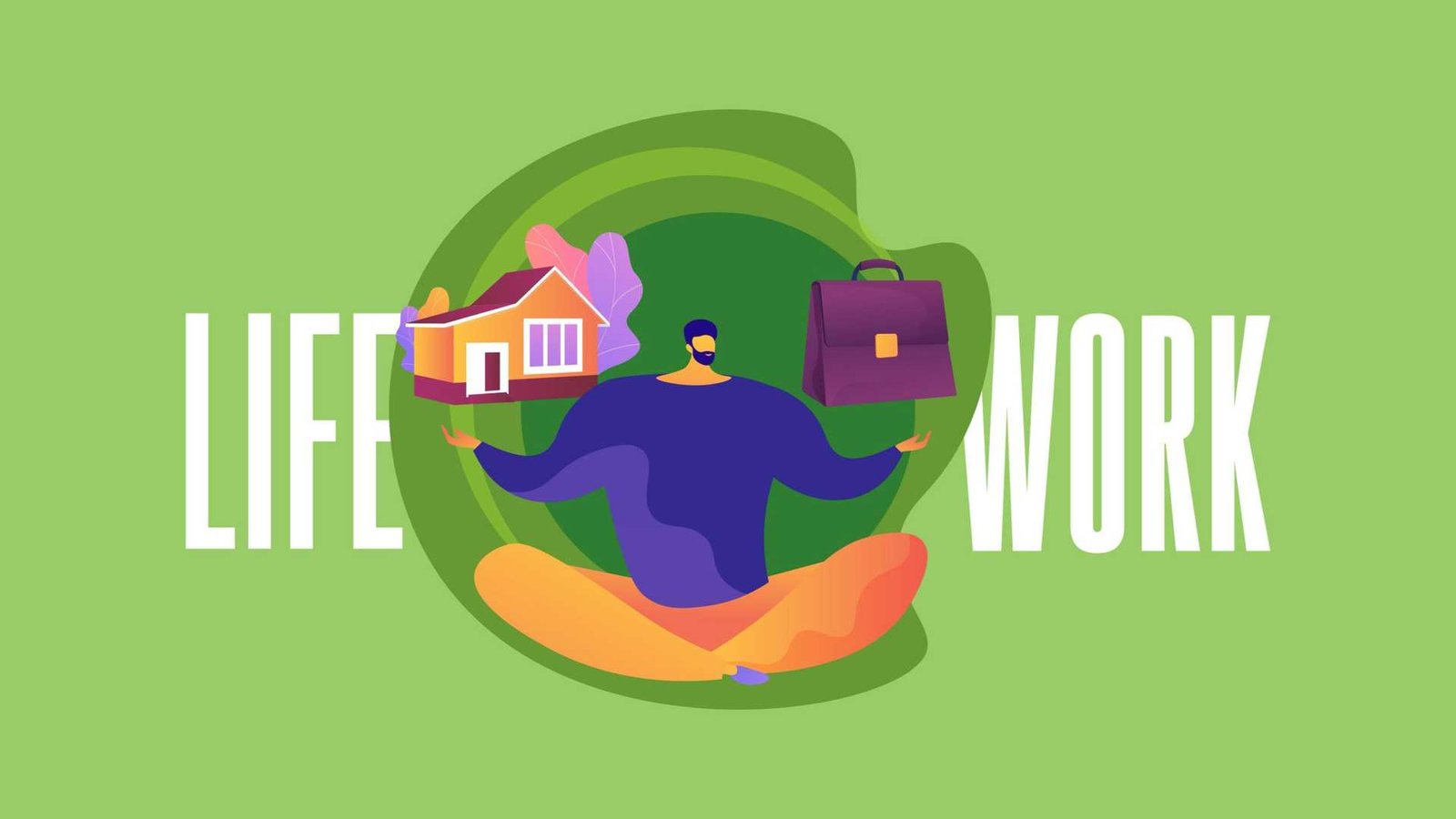
Defining work life balance in the USA is more complex than simply dividing hours equally between the office and home. At its core, work-life balance refers to the state of equilibrium where a person equally prioritizes the demands of their career and the demands of their personal life. It implies that work does not encroach upon rest, and personal issues do not derail professional performance.
However, the definition is evolving. Many experts now argue for “work-life integration” rather than balance. Integration suggests that work and life are not opposing forces but synergistic parts of a whole. For a remote worker, this might look like answering emails early in the morning to free up the afternoon for a child’s school event.
Despite these shifting definitions, the fundamental goal remains the same: a career that supports a healthy life, rather than a life that is consumed by a career. Changing career expectations means workers are now looking for flexibility and autonomy just as much as they look for salary and benefits.
Work-Life Balance Challenges in Modern Careers
The pursuit of equilibrium is fraught with obstacles. Work-life balance challenges in the USA are deeply rooted in cultural norms that equate busyness with productivity. The “hustle culture” prevalent in American business often praises those who sacrifice sleep and social connection for the sake of the grind.
Long Working Hours
The standard 40-hour workweek is increasingly a myth for many salaried professionals. According to Gallup, full-time employees in the U.S. report working an average of 47 hours per week. In high-pressure industries like finance, law, and tech, 60 to 80-hour weeks are not uncommon. These extended hours leave little room for recovery, exercise, or meaningful connection with loved ones.
Mental Load and Stress
The challenge isn’t just physical time; it is mental bandwidth. Even when physically present at home, many workers are mentally tethered to their to-do lists. This constant cognitive load creates a state of low-level anxiety that permeates leisure time. You might be watching a movie with your family, but your mind is replaying a tense meeting or drafting a mental email for tomorrow morning.
Difficulty Switching Off
The inability to disconnect is a significant barrier to rest. When your laptop is on the kitchen table and your phone is your alarm clock, the physical cues that signal the end of the workday disappear. This lack of a “closing time” prevents the brain from entering a true state of relaxation, which is essential for creative thinking and problem-solving.
Technology, Remote Work & Blurred Boundaries
The rise of digital tools has been a double-edged sword. While technology enables flexibility, it also acts as a digital leash. Remote work and work life balance in the USA have a complicated relationship. On one hand, remote work eliminates commutes and allows for comfortable environments. On the other, it erodes the physical boundaries that once protected our personal time.
Emails and Messages After Hours
The “ping” of a Slack message or the vibration of an email notification triggers a Pavlovian response. We feel compelled to check it, fearing we might miss something urgent. This phenomenon, often called “telepressure,” creates an expectation of immediate availability. When a manager sends an email at 9:00 PM, even without an explicit request for a reply, the employee often feels pressured to respond immediately to show dedication.
Home Becoming the Workplace
For millions of Americans, the living room is now the conference room. When your workspace is visible from your relaxation space, psychological detachment becomes difficult. The physical separation that a commute provided—a time to decompress and transition roles—is gone. Without it, the stress of the workday bleeds directly into the evening.
Digital Burnout
Zoom fatigue is real. Staring at screens for 10 hours a day drains energy differently than in-person interactions. The intense focus required for video calls, combined with the lack of non-verbal cues, leads to a specific type of exhaustion known as digital burnout. This depletion makes it harder to engage in active, healthy behaviors outside of work hours.
Burnout, Stress & Mental Health Risks
When boundaries collapse, career burnout in the USA rises. The World Health Organization officially recognizes burnout as an occupational phenomenon, characterized by feelings of energy depletion, increased mental distance from one’s job, and reduced professional efficacy.
Chronic Stress Signs
The body keeps the score. Chronic stress from work manifests physically: headaches, muscle tension, digestive issues, and sleep disturbances. Mentally, it shows up as irritability, anxiety, and a sense of dread on Sunday evenings. Ignoring these signs often leads to more severe health crises down the road.
Productivity vs. Well-Being
There is a dangerous misconception that more hours equal more output. Research consistently shows that after a certain threshold, productivity plummets. Overworked employees make more mistakes, have lower creativity, and are less efficient. Prioritizing well-being is not just a personal luxury; it is a professional necessity for maintaining high-quality work.
Emotional Exhaustion
Emotional exhaustion is the feeling of being drained and used up. It happens when the emotional demands of the job—dealing with difficult clients, navigating office politics, or managing high-stakes projects—outpace an individual’s ability to recover. Once emotional exhaustion sets in, cynicism often follows, leading to detachment and a lack of empathy for colleagues and clients.
Work-Life Balance Across Different Career Types
The struggle for balance looks different depending on the industry. Modern careers in the USA are diverse, and each sector faces unique hurdles.
Corporate and Professional Roles
In corporate America, the challenge is often “face time” and responsiveness. The ladder to promotion is frequently climbed by those willing to be available at all hours. The pressure is psychological and cultural, driven by competitive environments where taking time off is seen as a weakness.
Gig and Freelance Work
For freelancers and gig workers, the challenge is instability. Without a guaranteed paycheck, the temptation is to say “yes” to every project, leading to feast-or-famine cycles. Freelancers often lack the structural protections of paid time off or sick leave. If they don’t work, they don’t get paid, which makes taking a genuine vacation financially stressful.
Healthcare, Retail, and Service Jobs
For these workers, flexibility is often non-existent. Schedules are determined by patient needs or store hours, often involving nights, weekends, and holidays. The physical demands of these jobs, combined with rigid scheduling, make it difficult to manage personal responsibilities like childcare or education. The emotional labor of serving others adds an additional layer of fatigue.
Impact of Poor Work-Life Balance
The effects of poor work life balance extend far beyond a bad mood. The repercussions ripple out to affect physical health, family dynamics, and overall happiness.
Health Consequences
Chronic overwork is a killer. Studies have linked long working hours to an increased risk of stroke, heart disease, and hypertension. The lack of time for exercise and healthy cooking leads to poor lifestyle choices. Furthermore, sleep deprivation weakens the immune system, making overworked employees more susceptible to illness.
Relationship Strain
Relationships require time and energy to flourish. When work consumes both, partners and children get the leftovers. Missed dinners, distracted conversations, and cancelled plans erode the foundation of relationships. The stress brought home from the office often manifests as impatience or withdrawal, creating distance between loved ones.
Reduced Job Satisfaction
Ironically, working too much makes people hate their work. When the job prevents an employee from enjoying life, resentment builds. This leads to disengagement, “quiet quitting,” and eventually, turnover. Companies that fail to respect boundaries often find themselves constantly recruiting to replace burned-out staff.
Employer Expectations & Workplace Culture
The onus isn’t entirely on the individual. Workplace culture in the USA plays a massive role in dictating balance.
Performance Pressure
In many organizations, performance is measured by visibility rather than output. Employees who send emails at midnight are praised as “go-getters.” This implicit pressure forces others to follow suit to remain competitive.
Availability Expectations
If a boss sends messages on weekends, it sets a precedent. Even if they say, “don’t answer this until Monday,” the notification creates anxiety. Clear communication protocols are essential. Organizations need to decide if they value responsiveness over rest, and understand the long-term cost of that choice.
Supportive vs. Toxic Environments
A supportive culture actively discourages overwork. It looks like managers asking, “How is your workload?” and actually listening. It involves respecting vacation time and not contacting employees when they are off. Conversely, a toxic environment treats employees as expendable resources to be exhausted and replaced.
Strategies for Improving Work-Life Balance
Improving your situation requires intentionality. Here is how to improve work life balance in the USA through personal agency.
Time Boundaries and Scheduling
Treat personal time with the same respect as a client meeting. Block out time on your calendar for exercise, family, and hobbies. Communicate these boundaries clearly to colleagues. For example, “I check emails between 9 AM and 5 PM. If it is an emergency, please call.”
Prioritization and Delegation
Not everything is urgent. Use the Eisenhower Matrix to categorize tasks by urgency and importance. Learn to say no to non-essential meetings or projects that don’t align with your core goals. If you are a manager, delegate effectively. Trusting your team reduces your load and empowers them.
Digital Detox Strategies
Create tech-free zones or times. Maybe the bedroom is a phone-free zone, or Sunday is a screen-free day. Turn off non-essential notifications. The world will not end if you don’t see an Instagram like or a LinkedIn update immediately. Reclaiming your attention is the first step to reclaiming your time.
Role of Employers in Supporting Balance
Systemic change requires organizational buy-in. Forward-thinking companies are adopting flexible work policies in the USA to attract and retain talent.
Flexible Hours and Hybrid Work
Allowing employees to choose when and where they work builds trust. Result-oriented work environments focus on what is achieved, not how many hours were spent in a chair. Hybrid models offer the best of both worlds: the collaboration of the office and the focus of home.
Mental Health Benefits
Progressive companies are expanding benefits to include therapy coverage, wellness stipends, and mental health days. Providing access to Employee Assistance Programs (EAPs) signals that the company values the whole person, not just the worker.
Results-Based Performance Models
Moving away from hours-based metrics to outcome-based metrics changes the incentive structure. If an employee can complete their work effectively in 35 hours, they shouldn’t be punished or given busy work to fill the remaining five. This encourages efficiency and rewards productivity.
Frequently Asked Questions (FAQ)
Q1. What are the biggest work-life balance challenges in the USA?
The primary challenges include the “always-on” culture driven by technology, longer working hours compared to other developed nations, the blurring of boundaries due to remote work, and a cultural stigma against taking time off.
Q2. How does remote work affect work-life balance?
It cuts both ways. It eliminates commutes and offers flexibility, which can improve balance. However, it often leads to longer workdays and makes it difficult to psychologically separate work duties from home life, potentially increasing burnout risk.
Q3. What causes burnout in modern careers?
Burnout is caused by chronic workplace stress that has not been successfully managed. Key drivers include unmanageable workloads, lack of control, insufficient rewards, lack of community, unfairness, and conflicting values.
Q4. Can work-life balance improve productivity?
Yes. Rested employees have better focus, higher energy levels, and greater creativity. They make fewer mistakes and are more engaged. Long-term productivity relies on sustainable work habits, not sprint-pace marathons.
Q5. How can employees set better boundaries at work?
Employees can set boundaries by communicating availability clearly, turning off notifications after hours, not checking email on weekends, and learning to say no to tasks that exceed their capacity.
Q6. What role do employers play in work-life balance?
Employers set the tone. They can support balance by modeling healthy behaviors, offering flexible schedules, respecting time off, and evaluating performance based on results rather than hours worked.
Q7. Is work-life balance achievable in high-pressure jobs?
It is difficult but possible. It requires rigorous prioritization, strong delegation skills, and often, a shift in mindset from “doing everything” to “doing what matters most.” It also requires an organizational culture that supports high performance without requiring burnout.
Redefining Success in Modern Careers
Achieving work-life balance in the modern American landscape is not about finding a perfect 50/50 split every single day. It is about creating a sustainable rhythm that allows you to thrive professionally while nurturing your personal well-being.
We must stop viewing exhaustion as a status symbol. True success includes health, happiness, and strong relationships. Employers are slowly realizing that a burned-out workforce is a liability, while a balanced workforce is an asset.
By setting boundaries, leveraging technology wisely, and advocating for cultural shifts within our organizations, we can reshape the narrative. A healthier career benefits everyone—the individual, the family, the company, and the economy at large. It is time to reclaim the life part of work-life balance.