




How Climate Research Influences Policy in the USA

As extreme weather events become more frequent and average temperatures continue to climb, the need for robust, evidence-based governance has never been more urgent. From devastating hurricanes in the Southeast to prolonged droughts in the West, the visible impacts of a changing climate are reshaping the American landscape. But behind the headlines and the emergency response efforts lies a complex machinery of data, analysis, and modeling that quietly dictates how the United States responds to these challenges.
Science serves as the foundation of modern policymaking. Without rigorous research, lawmakers would be navigating in the dark, unable to set realistic emissions targets, protect public health, or secure infrastructure against future threats. The bridge between the laboratory and the legislature is critical. It turns raw data into actionable laws that protect communities and economies alike.
This article explores the intricate relationship between scientific discovery and legislative action. We will examine how climate research shapes environmental regulations, influences energy infrastructure, and guides public health initiatives, while also addressing the significant challenges that arise when translating complex science into concrete policy.
What Is Climate Research?
Before understanding how policy is made, we must understand the data that drives it. Climate research in the USA is a vast, multidisciplinary field that goes far beyond simply checking the thermometer. It involves the systematic collection, analysis, and modeling of data related to Earth’s atmosphere, oceans, and land surfaces.
This research generally falls into two categories: observational and predictive. Observational research relies on satellites, ocean buoys, and ground stations to track current conditions and historical trends. Predictive research, on the other hand, uses sophisticated computer models to forecast future scenarios based on various variables, such as greenhouse gas emission levels.
The gold standard for this data is peer-reviewed science. Before findings can influence high-level policy, they typically undergo rigorous scrutiny by other experts in the field. This process ensures that the information reaching policymakers is accurate, unbiased, and methodologically sound. Agencies like NASA, NOAA (National Oceanic and Atmospheric Administration), and the EPA (Environmental Protection Agency) play pivotal roles in generating and verifying this essential data.
How Climate Research Influences Policy
The primary function of how climate research influences policy in the USA is by providing an evidence-based framework for decision-making. Policymakers cannot effectively solve a problem they do not understand. Research provides the “what,” “where,” and “how much,” allowing legislators to determine the “what now.”
One of the most critical applications of this research is risk assessment. Long-term planning requires understanding not just what the climate looks like today, but what it will look like in 10, 20, or 50 years. For instance, coastal communities rely on sea-level rise projections to update zoning laws. If research indicates that a specific shoreline will be underwater by 2050, permitting new residential construction in that zone becomes poor policy.
Translating science into action, however, is rarely a straight line. It involves a synthesis of reports, such as the National Climate Assessment, which aggregates thousands of studies to give Congress and the President a clear picture of the nation’s vulnerabilities. This translation process turns abstract degrees of warming into tangible policy goals, such as specific reduction targets for carbon dioxide emissions.
Climate Research and Environmental Regulations
Perhaps the most direct link between science and law is found in environmental policy in the USA. Research acts as the trigger for regulatory action. When studies consistently show that certain pollutants are accelerating climate change or harming ecosystems, agencies are often legally mandated to respond.
Take air quality standards, for example. The Clean Air Act relies heavily on ongoing scientific review. As researchers identify the dangers of particulate matter or ground-level ozone—exacerbated by rising temperatures—the EPA adjusts permissible limits. These adjustments force industries to innovate and reduce their environmental footprint.
Water quality is similarly dependent on climate data. As changing precipitation patterns lead to more intense runoff and flooding, pollutants are washed into waterways at higher rates. Research into these hydrological changes informs regulations on agricultural runoff and wastewater treatment standards. Furthermore, conservation and land-use policies are increasingly driven by biodiversity studies showing how climate change fragments habitats, necessitating protected corridors for wildlife migration.
Climate Science in Energy & Infrastructure Policy
The transition to a greener economy is heavily reliant on climate policy regarding energy in the USA. Research doesn’t just tell us we need to switch to renewables; it tells us how to do it effectively.
Solar and wind availability data helps determine where to build renewable energy farms for maximum efficiency. However, the influence extends beyond generation to grid resilience. As heatwaves become more intense, the demand for air conditioning spikes, putting immense strain on the electrical grid. Climate models help utility commissions and grid operators plan for these peak load scenarios, ensuring that infrastructure doesn’t fail when it is needed most.
Infrastructure planning also relies on “climate-resilient” construction standards. Engineers and architects now use forward-looking climate data rather than just historical weather patterns. If a bridge is being built to last 100 years, it must be designed to withstand the 100-year flood of the next century, not the last one. This shift prevents costly repairs and catastrophic failures down the road.
Climate Research and Public Health Policy
The intersection of climate change and public health in the USA is a growing focus for policymakers. We often think of climate change as an environmental issue, but the medical community views it as a health crisis.
Heatwaves are the deadliest weather-related killer in the United States. Research into the “urban heat island” effect—where cities become significantly hotter than surrounding rural areas—guides policies on urban planning. This includes initiatives to increase tree canopy cover and use reflective building materials to cool neighborhoods down.
Air pollution is another major concern. Warmer temperatures increase the formation of smog and prolong allergy seasons. By quantifying the respiratory risks associated with these changes, researchers provide the ammunition needed for stricter emissions controls.
Disaster preparedness is also deeply rooted in science. Epidemiologists and climate scientists work together to predict the spread of vector-borne diseases (like Lyme disease or West Nile virus) as tick and mosquito populations expand into warmer northern territories. This data allows public health officials to allocate resources for monitoring and prevention long before an outbreak occurs.
Role of Federal, State & Local Governments
Climate policy governance in the USA operates on a tiered system, with research filtering down from federal agencies to local city halls.
At the federal level, massive agencies like NASA and NOAA conduct the heavy lifting of data collection. They maintain the satellites and supercomputers that make modern climate science possible. This federal research sets the broad agenda and provides the baseline data that states use.
State-level climate initiatives often move faster than federal ones. California, for example, utilizes specific regional climate models to set strict vehicle emissions standards and water conservation rules that often exceed federal requirements.
However, the rubber hits the road with city and local climate action plans. Local governments rely on downscaled climate models to make granular decisions. A coastal city like Miami uses specific tidal data to install water pumps and raise roads. A city in the arid Southwest uses precipitation models to plan water rationing for the next decade. These local decisions are where citizens feel the impact of climate research most directly in their daily lives.
Economic & Industry Policy Shaped by Climate Data
Economic stability is inextricably linked to environmental stability. Consequently, climate research heavily influences economic policy.
Carbon pricing and market-based tools, such as cap-and-trade systems, are designed based on the “social cost of carbon.” This metric, calculated by economists and scientists, estimates the economic damage caused by each additional ton of carbon dioxide emitted. It helps regulators set prices that reflect the true cost of pollution.
Business regulations are also shifting. The Securities and Exchange Commission (SEC) has moved toward requiring public companies to disclose climate-related risks. This policy is driven by research showing that climate disasters pose material risks to supply chains and physical assets. Investors need this data to make informed decisions, and regulators use it to prevent market instability caused by unpriced climate risks.
Challenges in Using Climate Research for Policy
Despite the clarity of the data, there are significant challenges to climate policy in the USA. The path from peer-reviewed study to signed legislation is fraught with obstacles.
Political polarization is the most obvious hurdle. In the US, climate science is often treated as a partisan issue rather than a matter of empirical fact. This can lead to gridlock, where legislative action stalls despite overwhelming scientific consensus.
Scientific uncertainty also plays a role. While the broad trends of climate change are undeniable, predicting the exact timing and severity of specific impacts is difficult. Policymakers often prefer certainty, and when models provide a range of probabilities rather than a single definitive outcome, it can be used as an excuse to delay action.
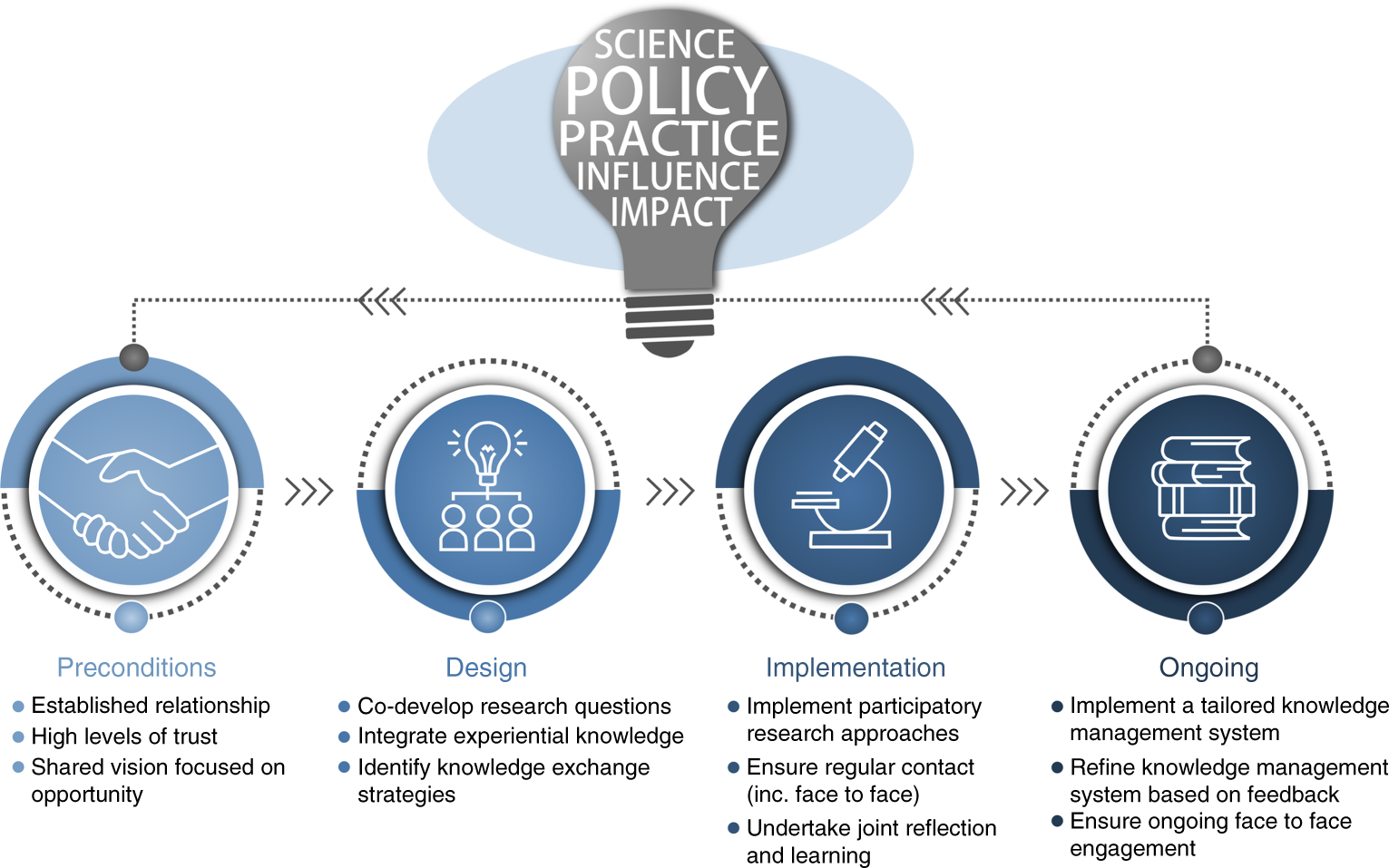
Finally, there are communication gaps. Scientists speak the language of probability and confidence intervals; policymakers speak the language of budgets and election cycles. Bridging this gap requires effective science communication that translates technical jargon into the immediate economic and social realities that politicians care about.
Improving the Science-to-Policy Connection
To create effective science-based climate policy, the connection between researchers and lawmakers must be strengthened.
Clear communication is paramount. Scientists are increasingly being trained not just in data analysis, but in storytelling and public speaking. Executive summaries of major reports are becoming more accessible, highlighting key takeaways without getting bogged down in technical minutiae.
Collaboration is also improving. “Co-production” of knowledge—where policymakers and scientists work together from the start of a research project—ensures that the questions being asked are relevant to the decisions that need to be made.
Ultimately, public engagement drives political will. When the public trusts science and understands the stakes, they pressure elected officials to act. Increasing scientific literacy and transparency helps build this trust, ensuring that policy is driven by facts rather than fear or special interests.
Frequently Asked Questions (FAQ)
Q1. How does climate research influence policy in the USA?
Climate research provides the data and projections necessary to identify risks, set emissions targets, and design infrastructure standards. It serves as the evidence base for environmental regulations and public health initiatives.
Q2. Why is scientific evidence important for climate policy?
Scientific evidence ensures that policies are grounded in reality. It helps lawmakers allocate resources efficiently, prepare for actual risks rather than perceived ones, and measure the effectiveness of the laws they pass.
Q3. How do policymakers use climate models?
Policymakers use models to forecast future scenarios. For example, they might look at a model showing sea-level rise to decide where to build a new hospital or how high a flood wall needs to be.
Q4. Does climate research directly shape laws and regulations?
It informs them, but rarely shapes them directly without political intervention. While laws like the Clean Air Act require scientific review, the specific implementation often involves negotiation, economic considerations, and political debate.
Q5. What challenges limit science-based climate policy?
The main challenges include political polarization, the complexity of scientific uncertainty, and difficulties in communicating technical data to non-experts.
Q6. How do state and local governments use climate research?
They use downscaled data to handle local issues like zoning, building codes, water management, and emergency response planning specific to their geography.
Q7. Will climate research play a bigger role in future policy decisions?
Likely, yes. As climate impacts become more costly and visible, the demand for precise data to protect economies and lives will force research to take a more central role in governance.
Final Thoughts: Science as the Backbone of Climate Policy
The relationship between climate research and US policy is vital for a sustainable future. From the federal agencies monitoring the atmosphere to the local city planners deciding where to lay pavement, science provides the roadmap for navigating a warming world.
While challenges remain—particularly regarding political will and communication—the trajectory is clear. As the physical and economic costs of climate change mount, the reliance on robust, evidence-based governance will only increase. Research doesn’t just describe the problem; it illuminates the solutions, offering a path toward resilience, health, and stability.