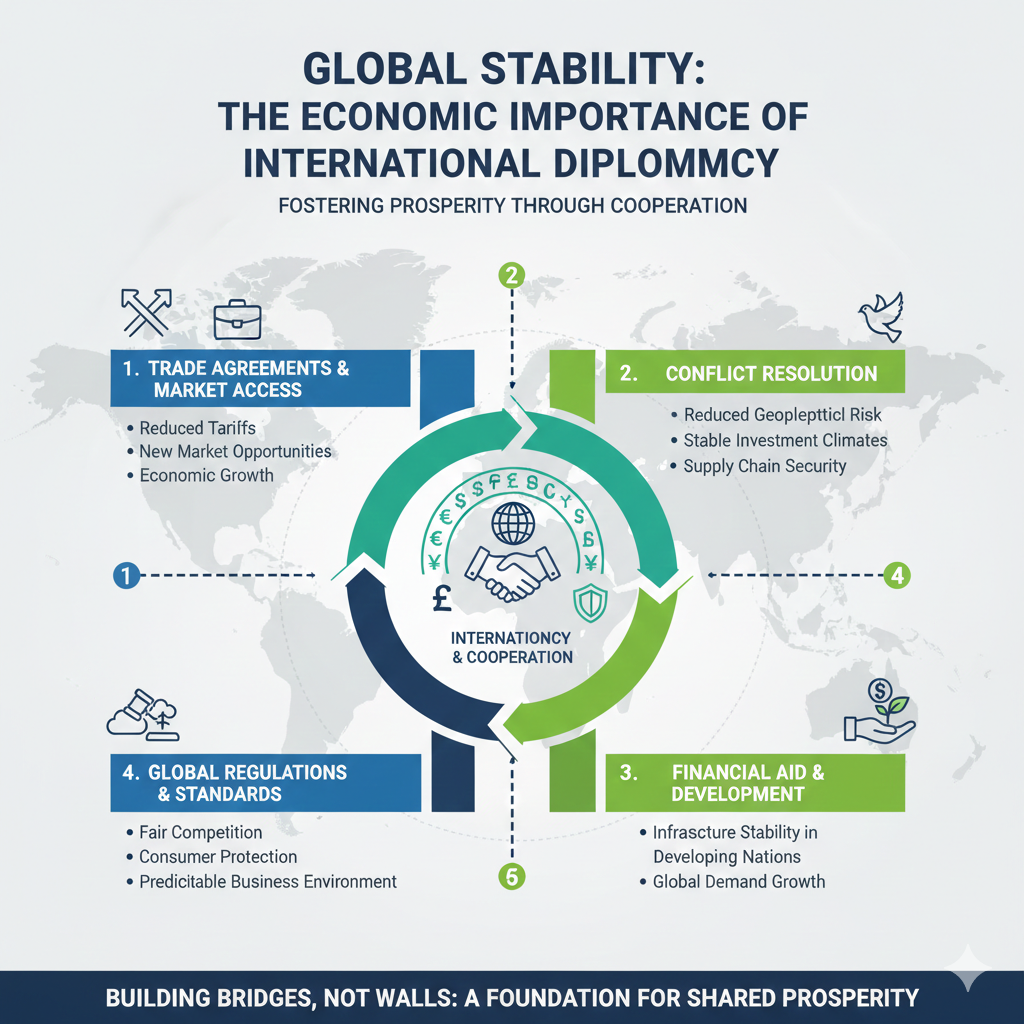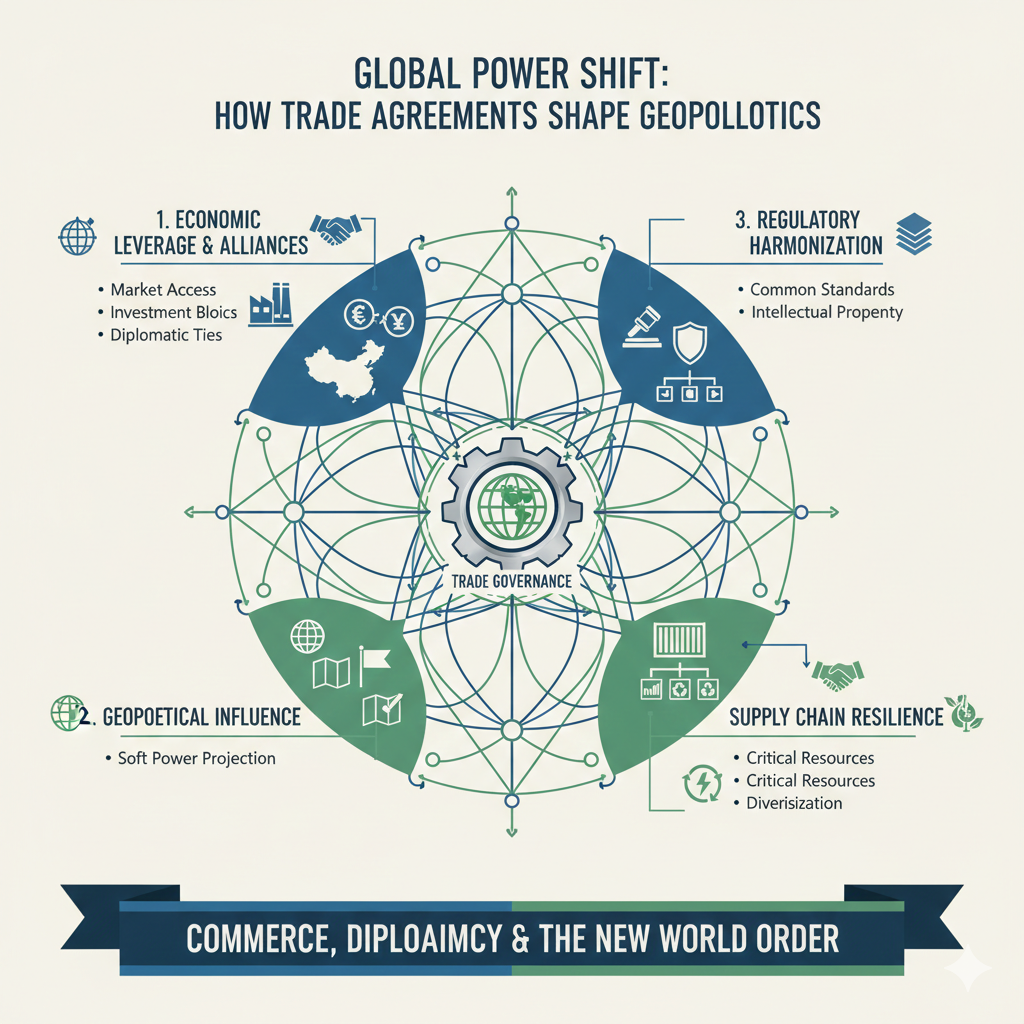





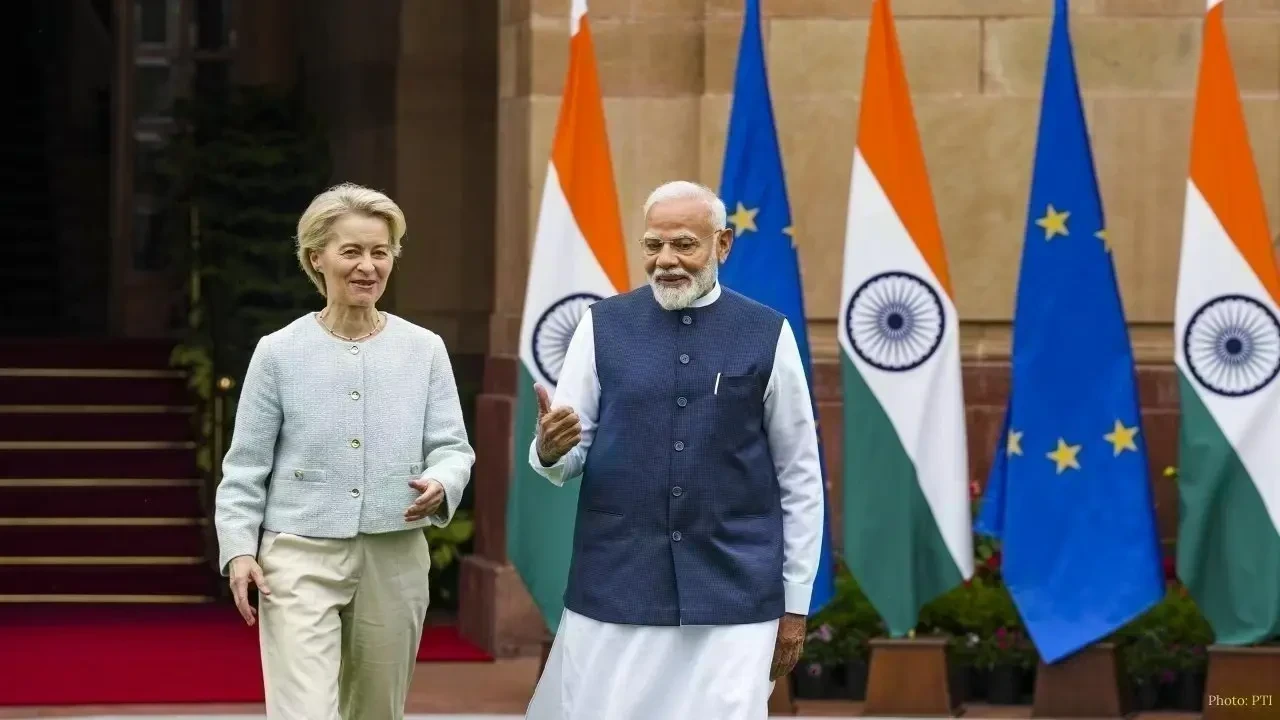

Negotiations that span nearly two decades do not conclude without significant fanfare, nor without substantial implications for the global economy. The long-anticipated Free Trade Agreement (FTA) between India and the European Union represents more than just reduced tariffs or streamlined customs procedures. It marks a geopolitical and economic realignment between two of the world’s largest democratic markets.
For years, the narrative of global trade was dominated by the trans-Pacific relationship. Now, focus is shifting toward the Indian Ocean and the Eurozone. With a combined population exceeding 1.8 billion and a joint GDP that commands a massive slice of the global economy, the India-EU pact is poised to unlock billions in potential trade. But beyond the headline numbers, this agreement signals a move toward supply chain diversification and strategic autonomy in an increasingly fragmented world.
This deal comes at a pivotal moment. The EU is looking to diversify its trading partners to reduce reliance on single-source supply chains, while India is aggressively pushing to become a global manufacturing hub. The convergence of these needs has birthed an agreement that could fundamentally alter how goods, services, and investments flow across the growing Eurasian corridor.
What Is the India-EU Free Trade Deal?
To understand the magnitude of this agreement, one must look at the history of the negotiations. Talks began in 2007 but were stalled in 2013 due to significant disagreements over market access and professional mobility. The resumption of talks in 2021 signaled a renewed political will from Brussels and New Delhi to bridge these gaps.
The current agreement is a comprehensive economic partnership designed to liberalize trade in goods and services. However, it goes deeper than standard trade deals. It includes investment protection and geographical indications (GIs), which protect distinctive products from specific regions.
The key objectives are straightforward yet ambitious:
- Remove barriers: Eliminating tariffs on substantially all trade in goods.
- Boost investment: creating a stable, transparent environment for European investors in India and vice versa.
- Align standards: Harmonizing regulatory frameworks to make it easier for businesses to operate in both jurisdictions.
Key Provisions of the Agreement
The text of the agreement covers a vast array of economic activities. Here is a breakdown of the core pillars that hold this deal together.
Tariff Reductions
The most immediate impact will be the slashing of custom duties. Historically, India has maintained high tariff walls to protect domestic industries, while the EU has had specific barriers against agricultural imports. This deal aims to reduce duties on over 90% of tariff lines. For European exporters, this means cheaper access for machinery, chemicals, and automobiles. For Indian exporters, it opens up the EU market for textiles, leather, and pharmaceuticals without the burden of heavy levies.
Market Access Improvements
Beyond tariffs, the agreement tackles non-tariff barriers (NTBs). These are often the technical regulations, standards, and testing requirements that make trade difficult even when taxes are low. The deal establishes mutual recognition of standards in several sectors, meaning a product certified in one region may not need redundant testing to be sold in the other.
Investment and Services Liberalization
This is a critical component for the European Union. The deal includes an Investment Protection Agreement (IPA) designed to provide legal certainty for investors. It creates an independent mechanism for resolving disputes, replacing the older, controversial investor-state dispute settlement (ISDS) models. On the services front, it facilitates easier movement for professionals, a key demand for India’s booming IT and consultancy sectors.
Digital Trade and Intellectual Property
Recognizing the modern economy, the agreement includes robust chapters on digital trade. It ensures cross-border data flows while respecting privacy regulations like the GDPR. Furthermore, it strengthens Intellectual Property Rights (IPR) enforcement, which encourages high-tech transfers and R&D collaboration between European and Indian firms.
Why the Deal Matters for India
For New Delhi, this agreement is a cornerstone of its goal to reach a $5 trillion economy.
Export Growth Opportunities
The EU is already one of India’s largest trading partners. By removing duties, Indian exports become significantly more competitive against rivals like Vietnam and Bangladesh, who already enjoy preferential trade status with the EU. This is particularly vital for labor-intensive sectors like textiles and leather, where margins are thin and volume is king.
Manufacturing and “Make in India”
Prime Minister Modi’s “Make in India” initiative relies heavily on attracting foreign capital and technology. The investment protection chapter of this deal is designed to encourage German, French, and Italian manufacturers to set up shop in India, not just for the domestic market, but as an export base for the world.
Job Creation Potential
Increased exports and foreign direct investment (FDI) translate directly into jobs. The expansion of the manufacturing sector, coupled with the growth of service exports, is expected to generate millions of employment opportunities, helping India leverage its massive demographic dividend.
Why the Deal Matters for the European Union
For the European Union, the deal is less about immediate GDP growth and more about strategic positioning and long-term resilience.
Access to a Fast-Growing Market
With China’s economy maturing and slowing down, India represents the next great growth story. The EU needs access to India’s burgeoning middle class, whose consumption of automobiles, luxury goods, and electronics is set to skyrocket over the coming decade.
Strengthening Supply Chain Resilience
The pandemic and recent geopolitical tensions exposed the dangers of over-reliance on a single country for critical supplies. The EU views India as a trusted partner for diversifying supply chains, particularly in pharmaceuticals, technology, and critical raw materials.
Strategic Economic Partnership
This deal cements the EU’s presence in the Indo-Pacific. It moves the relationship from a transactional one to a strategic partnership, aligning two regions that share values of democracy and rule of law.
Impact on Global Commerce
The ripple effects of this agreement will be felt far beyond the borders of the two signatories.
Shift in Global Trade Flows
We are witnessing a reorganization of global trade routes. As India integrates more deeply with Europe, we may see a slight decoupling of certain supply chains from East Asia. This diversification creates a more robust global trading system, less susceptible to shocks in any single region.
Competition with Other Trade Blocs
This agreement puts pressure on other nations to accelerate their own trade talks. For instance, the UK, which is also negotiating with India, will now be racing to match the terms the EU has secured. It sets a benchmark for what modern trade agreements with the Global South can look like.
Influence on Future Trade Negotiations
The India-EU deal incorporates strong language on sustainability and labor rights. By successfully including these in a deal with a developing economy, the EU sets a precedent. It suggests that future global commerce will increasingly tie market access to environmental and social governance (ESG) standards.
Winners and Benefiting Industries
While the macro picture is positive, specific sectors stand to gain the most.
Pharmaceuticals
India is often called the “pharmacy of the world” due to its generic drug manufacturing. The deal facilitates smoother regulatory approval for Indian drugs in Europe, while EU pharmaceutical giants gain better access to the Indian market for patented and specialized medicines.
Automobiles and EVs
This has traditionally been a sticking point. Reducing India’s high tariffs on luxury cars opens the door for German automakers. Conversely, cooperation on electric vehicle (EV) technology could help India accelerate its transition to green mobility.
Textiles and Apparel
Indian textile exporters have long operated at a disadvantage compared to competitors with zero-duty access to the EU. This level playing field could spark a renaissance in Indian textile manufacturing.
IT and Digital Services
Europe faces a skills shortage in tech; India has a surplus of talent. Provisions facilitating the movement of skilled professionals will allow Indian IT firms to service European clients more effectively, driving growth in the services sector.
Agriculture and Food Processing
While sensitive, there are gains to be made. Geographical Indication protection benefits producers of Champagne, Feta, and Scotch, as well as Darjeeling Tea and Basmati Rice. Furthermore, European food processing technology can help reduce wastage in India’s agricultural sector.
Challenges and Concerns
Despite the optimism, the road ahead is not without potholes. Implementation will be the true test.
Regulatory Alignment
Harmonizing standards is easier said than done. The EU has some of the world’s strictest standards regarding chemical residues, data privacy, and product safety. Indian small and medium enterprises (SMEs) may struggle to meet these compliance costs initially.
Labor and Environmental Standards
The EU consistently pushes for enforceable commitments on labor rights and environmental protection within trade deals. India has historically resisted linking trade with non-trade issues, viewing them as potential protectionist tools. How these chapters are enforced will require delicate diplomacy.
Small Business Adaptation
While large conglomerates can adapt to new regimes quickly, smaller businesses on both sides may find the new bureaucratic requirements—such as proving “Rules of Origin”—daunting.
How Businesses Can Prepare
Companies should not wait for the ink to dry before acting. Preparation is key to capitalizing on the first-mover advantage.
Understanding Tariff Changes: Businesses need to review the tariff schedules to understand how their products will be classified and what duty reductions apply. This might necessitate changing sourcing strategies.
Exploring New Markets: EU companies should start aggressive market research in Tier-2 and Tier-3 Indian cities. Indian companies should look beyond traditional Western European markets to Eastern and Northern Europe.
Compliance and Documentation: Firms must upgrade their compliance teams. Meeting EU standards on sustainability and labor will become a prerequisite for doing business, not just a “nice to have.”
What It Means for Consumers
Ultimately, trade deals trickle down to the person on the street.
- Potential Price Changes: Consumers in India could see lower prices on European wines, cars, and luxury brands. European consumers might see more affordable textiles and leather goods.
- Greater Variety: The shelf space in supermarkets and retail stores will likely diversify, offering a wider range of international products.
- Quality and Standards: As Indian manufacturers upgrade to meet EU standards, the overall quality of goods available in the domestic Indian market is likely to improve as well.
Long-Term Strategic Implications
Looking 10 or 20 years down the line, this agreement fundamentally alters the geopolitical balance. It anchors India firmly in the Western economic sphere while allowing it to maintain its strategic autonomy. For the EU, it represents a successful pivot to Asia without compromising its values.
The deal also serves as a counterweight to the Belt and Road Initiative, offering a model of development based on transparency and mutual benefit rather than debt dependency.
Conclusion
The India-EU Free Trade Deal is a historic milestone that transcends simple economics. It is a declaration of intent from two democratic powerhouses to shape the future of global commerce together. By lowering barriers and raising standards, the agreement promises to unlock economic growth, create jobs, and foster innovation.
However, the signing of the deal is just the starting gun. The real work lies in implementation and adaptation. Businesses, policymakers, and civil society must work together to navigate the challenges and ensure the benefits of this partnership are shared widely. As global trade enters a new era of realignment, the India-EU partnership stands as a pillar of stability and opportunity.
Now is the time for stakeholders to engage, adapt, and prepare for a more interconnected future.
FAQs
Q1: What is the India-EU Free Trade Deal?
A comprehensive agreement designed to boost trade and investment between India and the European Union by reducing tariffs, removing non-tariff barriers, and aligning regulatory standards.
Q2: When will the India-EU FTA come into effect?
The specific date depends on the ratification process by both the Indian Parliament and the European Parliament/Council. It typically takes some time after negotiations conclude.
Q3: Which sectors benefit most from the deal?
The primary beneficiaries include manufacturing (automobiles, machinery), pharmaceuticals, textiles and apparel, IT and digital services, and agriculture (specifically regarding geographical indications).
Q4: How does this deal affect global trade?
It strengthens the economic corridor between Europe and Asia, encourages supply chain diversification away from single-source dependencies, and influences global trade patterns by setting high standards for sustainability and labor rights.