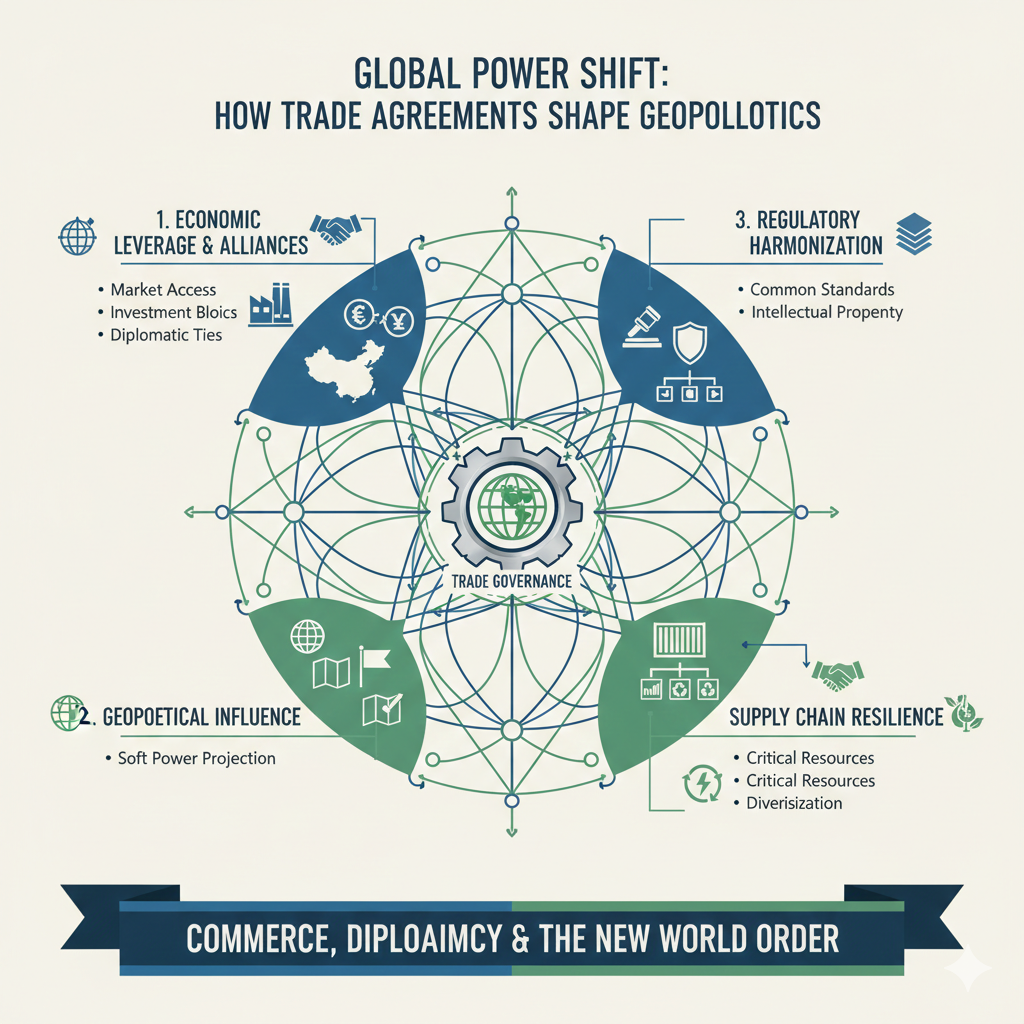






Why International Diplomacy Matters for Economic Stability


Introduction: Understanding International Diplomacy
International diplomacy can be defined as the art and practice of conducting negotiations between representatives of different nations. It serves as a crucial mechanism for fostering peaceful and cooperative relations among countries. The primary aim of international diplomacy is to manage conflicts, establish agreements, and promote mutual understanding in a complex global environment. By facilitating effective communication, diplomacy helps to prevent misunderstandings that could potentially lead to conflict, promoting stability and security on an international scale.
One of the key functions of international diplomacy is to address various political, economic, and social issues that transcend national borders. Through diplomatic channels, nations can collaborate on matters such as trade, environmental policies, and human rights. This collaboration often leads to the formulation of treaties and agreements that shape international relations and influence global economic structures. Consequently, international diplomacy not only serves immediate needs but also lays the groundwork for future cooperation, creating a framework for sustained economic stability.
The interplay between diplomacy and international economic relations is particularly significant. As nations engage in dialogue through diplomatic means, they can negotiate terms that are beneficial for trade, investment, and financial cooperation. Diplomatic relationships thus directly impact economic stability, affecting everything from market access to foreign direct investment flows. By fostering an environment conducive to trade and economic collaboration, international diplomacy plays a vital role in promoting economic growth and stability around the globe.
In conclusion, understanding international diplomacy is essential for recognizing its broader implications on global economic relations and stability. The ongoing exchange between nations, facilitated by diplomatic efforts, underscores the importance of collaboration in achieving sustainable economic development and peace in an interconnected world.
The Role of Diplomacy in Economic Relations
International diplomacy is a fundamental aspect of promoting and sustaining economic relations among countries. Through various diplomatic channels, nations are able to engage in negotiations that lead to the establishment of trade agreements, partnerships, and economic collaborations. These transactions not only Foster mutual benefits but also contribute to overall global economic stability.
One of the primary functions of diplomacy in economic relations is the facilitation of trade agreements. Countries often find that engaging in diplomatic discussions allows them to present their economic interests and trade policies effectively. This dialogue can result in tariffs being reduced, quotas being lifted, or new markets being opened to each other’s goods and services. These agreements are critical as they impact not just the involved nations but can create significant ripple effects in global trade dynamics.
Moreover, partnerships forged through diplomatic efforts can lead to joint ventures in various sectors such as technology, agriculture, and infrastructure development. Such initiatives are often beneficial as they pool resources and expertise from multiple nations, ultimately leading to innovation and improved economic outcomes. Additionally, diplomatic negotiations serve as platforms for resolving disputes that may arise between trading partners, thereby providing a secure environment for continued economic transactions.
In essence, the role of diplomacy in economic relations cannot be understated. It operates as a conduit between nations, enabling them to work collaboratively towards their shared economic goals while navigating potential challenges. Consequently, robust diplomatic engagement fosters a sense of trust and cooperation, which is vital for achieving long-term economic stability.
How Diplomatic Stability Contributes to Economic Stability
Diplomatic stability plays a crucial role in fostering economic stability within nations. When countries maintain positive diplomatic relations, it creates an environment of trust and mutual benefit that extends beyond political realms into the economic landscape. A stable diplomatic relationship is characterized by ongoing communication, cooperation on various fronts, and a commitment to resolving conflicts peacefully. These elements are fundamental in creating a conducive climate for economic activities.
Firstly, stable diplomatic relations contribute to a predictable and secure economic environment. Investors seek assurance that their investments will not be jeopardized by unexpected political changes or conflicts. This sense of security encourages both domestic and foreign investments, as businesses tend to thrive in environments where risks are minimized. Countries that demonstrate strong diplomatic ties often see an influx of foreign direct investment (FDI), as investors are more inclined to invest in markets with low political risk.
Moreover, effective diplomacy can lead to trade agreements and partnerships that further enhance economic opportunities. These agreements can lower tariffs, streamline trade regulations, and open new markets for goods and services. When countries collaborate diplomatically, they can create frameworks that encourage trade, resulting in increased economic activity. As nations engage with each other, they can leverage each other’s strengths, improving economic outcomes for all parties involved.
In essence, diplomatic stability acts as a vital facilitator of economic stability. Through the establishment of dependable relationships, nations can ensure a reliable flow of international commerce, attract investment, and ultimately drive economic growth. When countries prioritize diplomacy, they contribute not only to their own economic stability but also support a more stable global economy.
The Impact of Diplomatic Conflicts on Economies
Diplomatic conflicts have profound implications for national and global economies, often triggering a chain reaction that can destabilize markets and reduce economic growth. Historic instances illustrate how strained diplomatic relations lead to economic downturns, trade wars, and sanctions that reverberate across borders. A significant example can be observed in the Cold War period, during which political tensions between the United States and the Soviet Union resulted in a bifurcated global economy, forcing nations to choose sides and altering trade dynamics, often to the detriment of smaller or neutral countries.
Another notable instance occurred during the U.S.-China trade war, which began in 2018. Escalating tariffs imposed on goods from each nation not only disrupted bilateral trade but also created uncertainty in global supply chains, adversely affecting other countries dependent on trade with the involved powers. This backlash resulted in increased prices for consumers and businesses, with ripple effects that penetrated various sectors including agriculture and manufacturing. Economists noted a marked slowdown in growth, highlighting how the pursuit of diplomatic objectives through economic means can destabilize markets.
Moreover, the imposition of sanctions, as seen in the case of Iran, showcases the acute economic ramifications stemming from diplomatic disagreements. The sanctions led to a significant downturn in Iran’s economy, limiting access to essential goods and creating widespread hardship for its citizens. Such examples underscore the notion that diplomatic relations play a critical role in maintaining economic stability, where alterations in diplomatic stances can lead to precarious economic landscapes.
In a globalized world, the interconnectedness of economies makes it evident that diplomatic conflicts can disrupt not only the countries directly involved but also those that rely on stable international relations for trade and cooperation. Therefore, fostering positive diplomatic engagements is essential for sustained economic health across regions.
International Organizations and Diplomatic Economic Stability
International organizations play a pivotal role in fostering diplomatic economic stability among nations. Entities such as the United Nations (UN), World Trade Organization (WTO), and International Monetary Fund (IMF) serve as essential platforms where nations can engage in dialogue and negotiation to address economic challenges and disputes. Through diplomacy, these organizations work to mediate conflicts and promote cooperative economic policies, which are crucial for maintaining stability in a highly interconnected world.
The UN, for instance, not only addresses humanitarian issues but also focuses on creating pathways for sustainable economic development and stability. By facilitating discussions and encouraging member states to commit to collaborative economic strategies, the UN helps mitigate potential conflicts that could arise from economic disparities. The presence of a neutral party in these interactions often aids in de-escalation and encourages compromise.
Similarly, the WTO fosters global trade stability by providing a framework for negotiating trade agreements and resolving trade disputes. By setting the rules of trade among various nations, the WTO helps prevent economic tensions from escalating into larger conflicts. The organization thus plays a vital diplomatic role in ensuring that international trade practices remain fair and predictable, which is essential for economic stability across borders.
The IMF contributes to this landscape by promoting international monetary cooperation and providing financial assistance to countries in distress. By offering a platform for dialogue regarding monetary policies, the IMF helps to stabilize economies that are facing crises, thereby preventing potential economic fallout that could affect global stability. Through consultations and financial support, the IMF encourages countries to adopt strategies that promote economic resilience.
In summary, international organizations are indispensable in mediating economic relations among nations and promoting stability through diplomatic means. Their efforts create an environment where open communication and negotiated solutions are prioritized, ultimately fostering a stable economic global landscape.
Case Studies: Successful Diplomatic Outcomes That Enhanced Economic Stability
International diplomacy plays a crucial role in fostering economic stability among nations. Several case studies exemplify how diplomatic efforts can lead to remarkable economic outcomes. One prominent example is the North American Free Trade Agreement (NAFTA), enacted in 1994. This trilateral trade agreement between the United States, Canada, and Mexico aimed to eliminate trade barriers, facilitating easier access to markets. The outcome was significant economic growth for all three countries, with increased trade volumes and job creation in various sectors. The successful negotiation of NAFTA demonstrated the power of diplomacy in shaping economic landscapes.
Another noteworthy case is the Paris Agreement on climate change, concluded in 2015. Nations worldwide acknowledged the critical need for collaborative efforts to combat climate issues. By establishing a global framework, the agreement encouraged countries to invest in sustainable technologies, resulting in economic development while addressing environmental concerns. This diplomatic success not only aimed to mitigate climate change but also promoted green jobs and innovation, illustrating a dual benefit of economic stability achieved through international cooperation.
Moreover, the European Union’s (EU) response to the financial crisis showcases how diplomatic intervention can stabilize economies. In 2010, the EU collaborated with the International Monetary Fund to provide financial assistance to Greece, Ireland, and Portugal. These measures included debt restructuring and economic reforms, which ultimately restored confidence in these economies. Such diplomatic efforts were pivotal in averting deeper crises, emphasizing how international cooperation can lead to sustainable growth and recovery.
These case studies highlight the significance of international diplomacy in promoting economic stability, illustrating that well-negotiated treaties and agreements can lead to prosperous and resilient economies.
The Future of International Diplomacy in the Context of Economic Challenges
The landscape of international diplomacy is undergoing a significant transformation in response to contemporary economic challenges. Climate change, pandemics, and technological disruptions pose complex issues that demand innovative diplomatic strategies for economic stability. As nations become increasingly interconnected, the implications of these challenges deepen, necessitating a collaborative approach to diplomacy that aligns economic interests with global priorities.
Climate change, for instance, has direct repercussions on economic stability. Countries are compelled to transition towards sustainable practices, which require not only domestic reforms but also international cooperation. Diplomatic initiatives, such as the Paris Agreement, exemplify the efforts to bring nations together to address climate-related economic security. By fostering dialogue and partnerships, countries can mitigate the risks associated with environmental degradation while ensuring economic growth. Hence, the role of diplomacy becomes pivotal in negotiating and implementing climate policies that safeguard economies worldwide.
Moreover, the COVID-19 pandemic has underscored the necessity for concerted international diplomatic efforts. The global response has highlighted the interdependence of economies, as disruptions in one region can yield widespread effects. Vaccine diplomacy emerged as a critical tool for states to demonstrate solidarity and economic foresight. By sharing resources and knowledge, countries can work together to strengthen health systems, underpinning economic recovery. Thus, diplomacy is not merely about addressing immediate crises but also about establishing frameworks that can fortify economies against future shocks.
Technological advancements also pose challenges and opportunities within the realm of international diplomacy. As digital economies flourish, issues such as cybersecurity, data privacy, and digital trade require a diplomatic touch. Implementing international agreements on technology governance can enhance economic stability while preserving users’ rights. Therefore, a reimagined approach to diplomacy is essential, where collaboration is prioritized in addressing these multifaceted challenges to foster economic resilience.
The Role of Technology in Modern Diplomacy and Economics
In the contemporary landscape of international relations, technology serves as a vital tool facilitating diplomatic engagements and bolstering economic stability. Digital diplomacy, characterized by the use of social media platforms, websites, and online communication tools, allows states to convey messages swiftly and effectively. This evolution from traditional forms of diplomacy to a more digitally-oriented approach enables governments to interact not only with foreign counterparts but also with their own citizens and the global populace.
Data sharing has emerged as a critical component of modern diplomacy. Through advancements in data analytics and communication technologies, countries can better understand the economic landscapes of their peers, assess mutual interests, and identify potential areas for collaboration. This strategic exchange of information is instrumental in fostering economic relationships, as countries can align their trade policies, negotiate favorable terms, and collectively address global challenges such as climate change and economic crises.
Moreover, technology streamlines negotiations, making them more efficient and transparent. Virtual meetings and video conferencing have become commonplace, allowing diplomats to convene regardless of geographical barriers. This access to real-time communication enhances the negotiation process, enabling stakeholders to resolve differences more swiftly and with greater clarity. For instance, the use of blockchain technology provides a secure platform for transactions and agreements, thereby reducing the risk of fraud and enhancing trust among negotiating parties.
The integration of technology in diplomacy extends beyond mere communication; it significantly influences economic relationships. Countries that effectively leverage technological innovations are better positioned to attract foreign investment and foster trade partnerships, contributing to their overall economic stability. Thus, the symbiotic relationship between technology, diplomacy, and economics is not only pivotal in contemporary international relations, but it is also essential for fostering a stable economic environment on a global scale.
Conclusion: The Path Forward for Diplomacy and Economic Stability
In examining the crucial relationship between international diplomacy and economic stability, it becomes evident that effective diplomatic engagements are foundational for fostering a stable global economy. The interplay of diplomatic relations among nations not only enables collaborative efforts to tackle shared challenges but also fosters an environment conducive to trade, investment, and sustainable development.
Key points from this discussion highlight that countries navigating a complex global landscape must prioritize diplomatic channels to mitigate risks associated with economic uncertainty. By promoting dialogue and cooperation, nations can resolve conflicts, cultivate trust, and establish frameworks that benefit economic interactions. Effective diplomacy ensures that trade agreements are equitable and adaptable, reflecting the dynamic nature of global markets and contributing to overall economic resilience.
Moving forward, policymakers are encouraged to adopt a multi-faceted approach that emphasizes diplomacy as a strategic tool for economic growth. This could involve investing in diplomatic training programs to enhance negotiation skills, establishing international forums aimed at fostering free trade, and promoting initiatives that encourage economic partnerships between developing and developed nations. Furthermore, addressing global challenges such as climate change and public health through collaboration will strengthen diplomatic ties and subsequently reinforce global economic stability.
In summary, fostering robust diplomatic relations is paramount for achieving lasting economic stability. By prioritizing diplomacy in policymaking, nations can not only navigate the complexities of the global economy but also create a sustainable future that supports growth and stability for all. The path forward must involve renewed commitment to international cooperation, signaling that through collaboration, shared prosperity is within reach.